
Last updated November 25, 2026
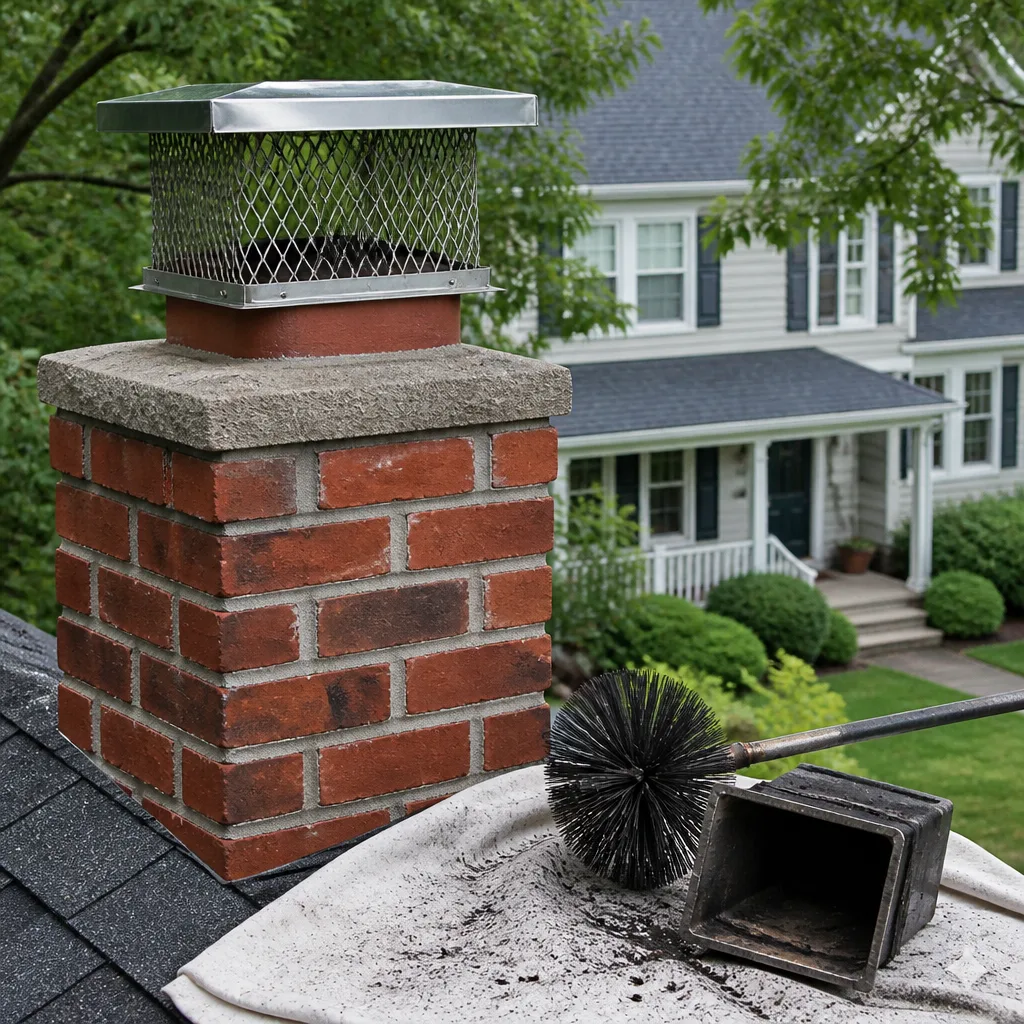 Sweep & inspection
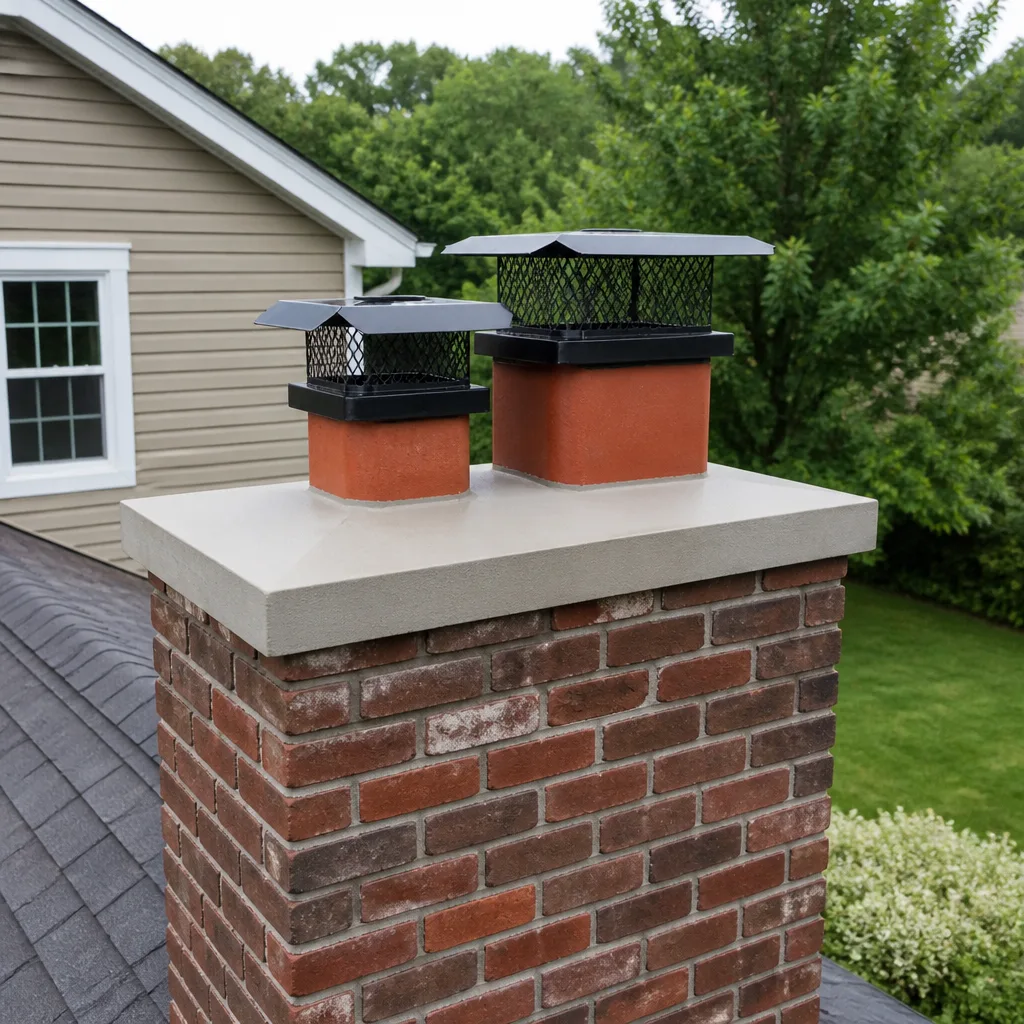 Caps & crowns
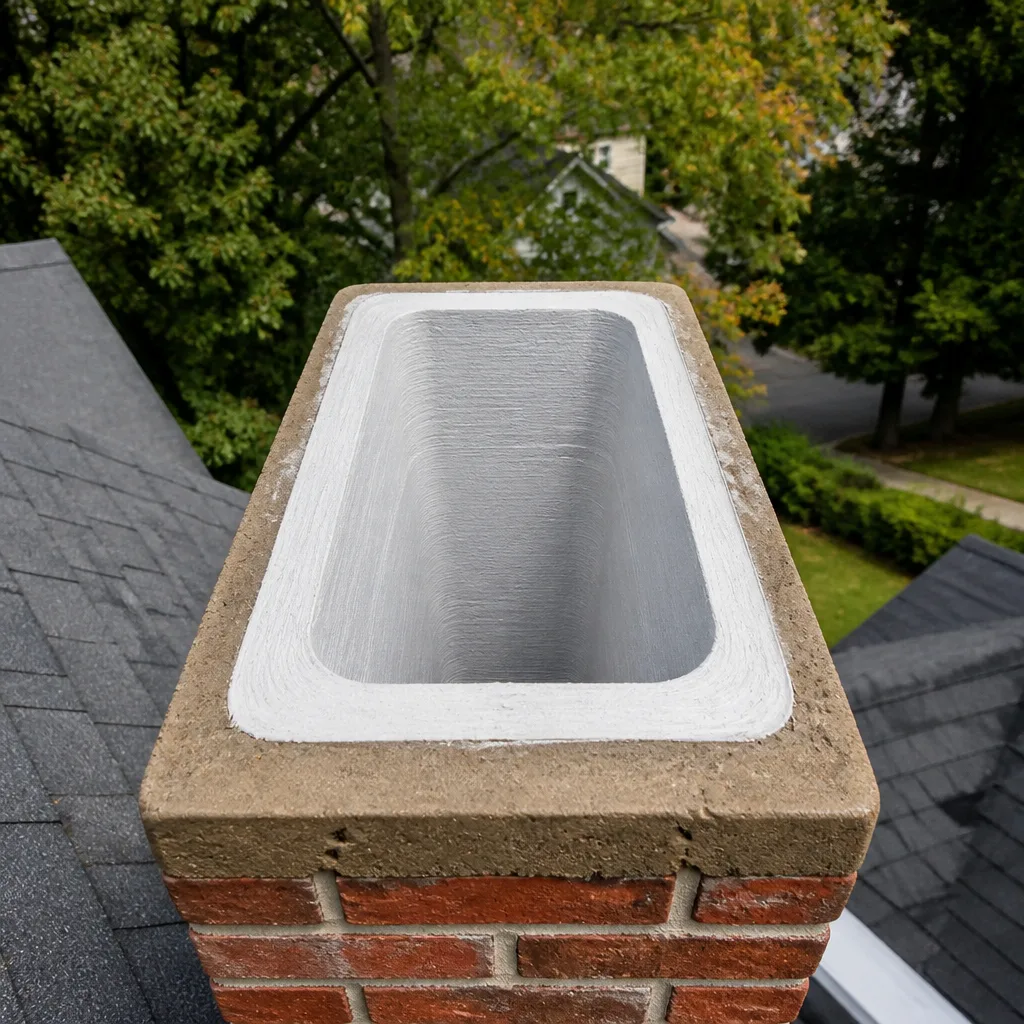 Flue relining
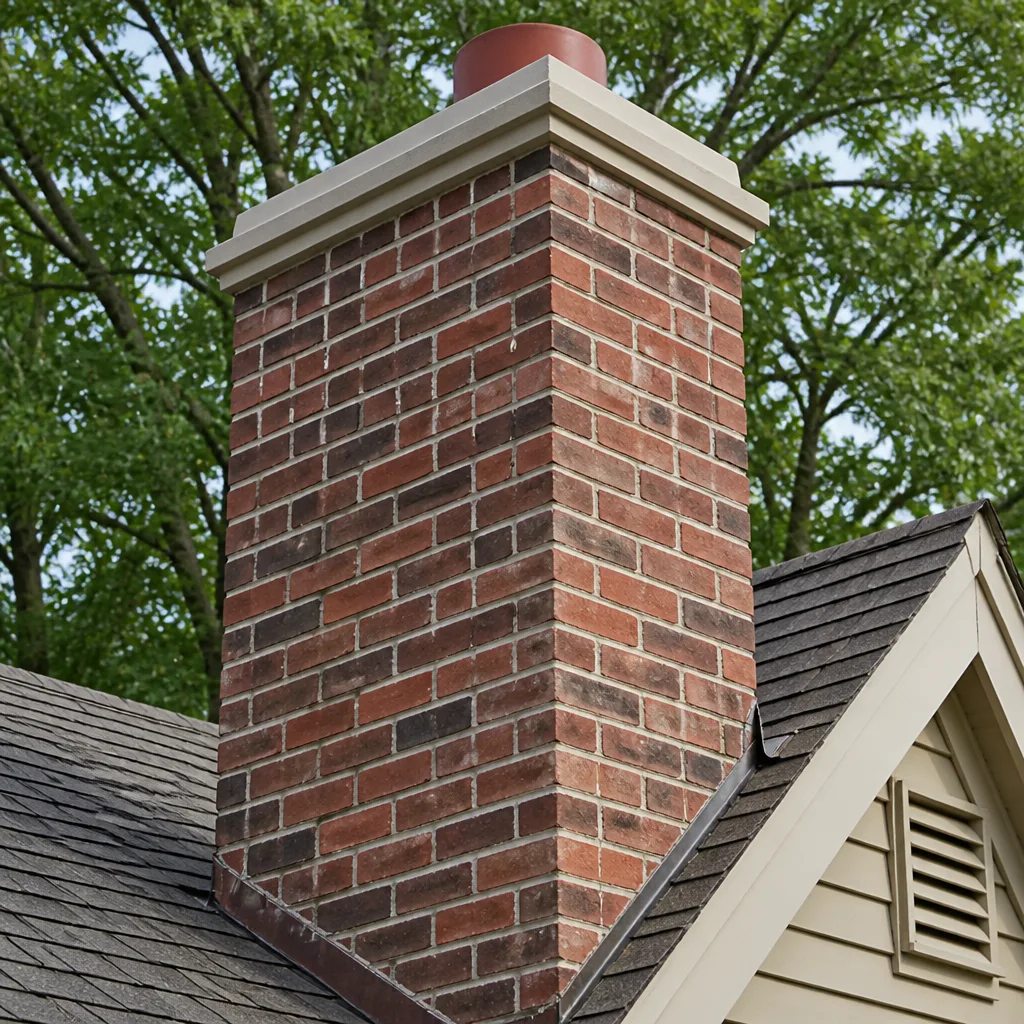 Masonry repair
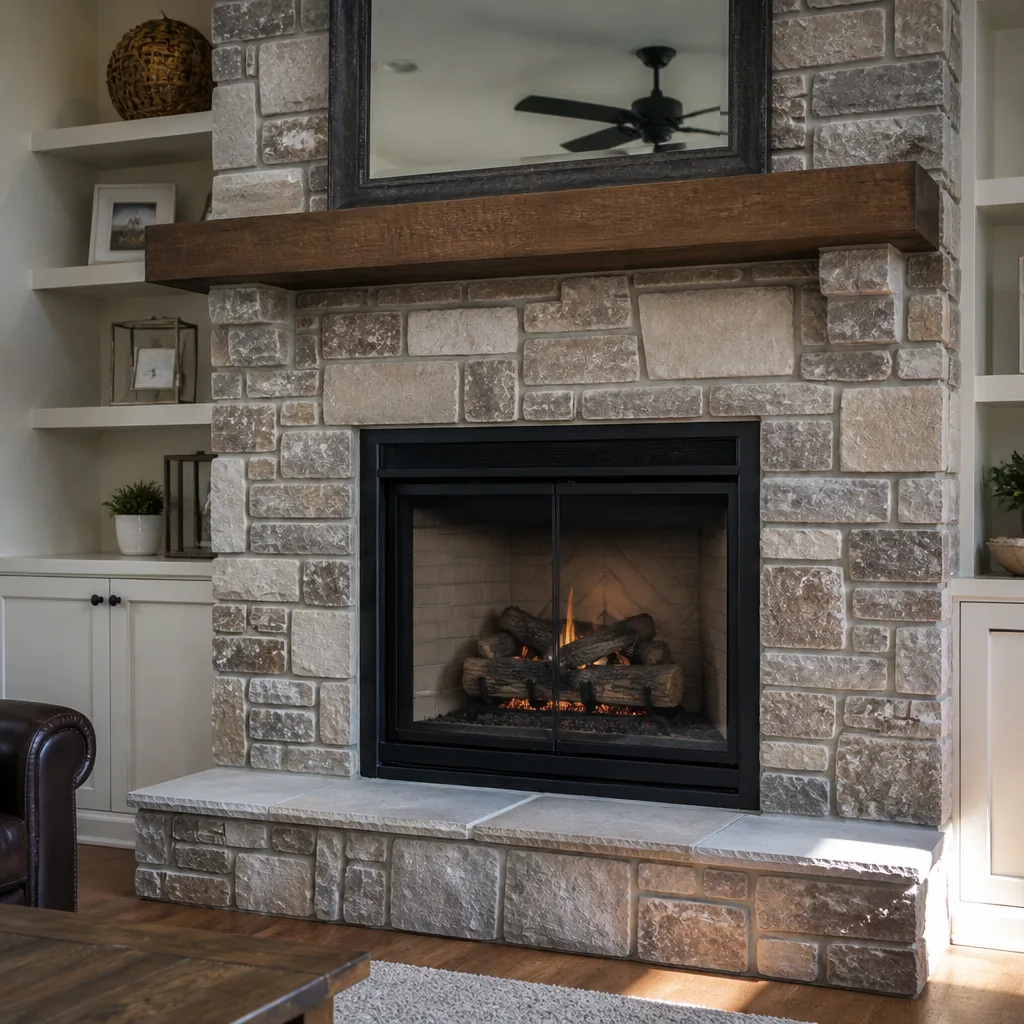 Gas fireplace service
Level 1 sweep and inspection to the NFPA 211 annual standard - flue, crown, cap, and flashing checked and photographed
Chimney sweep logs do not sweep chimneys. They loosen some creosote - which then falls where a brush and vacuum still have to collect it.
Chimney Sweep Maintenance Schedule: What to Do and When
The standard advice says inspect your chimney once a year and sweep it as needed. That advice was written for wood-burning fireplaces used hard through long cold winters. If you live in Orange and light a gas insert a few times each winter, or burn a cord of wood across a whole season, that same calendar doesn’t match how your flue actually wears. The variables that decide when your chimney needs attention are fuel type, how often you burn, the appliance itself, and the local air. This guide replaces the generic once-a-year rule with a schedule built around how you actually use your fireplace in Orange, and it covers what to do in spring versus fall, how to track your chimney’s history, and which tasks genuinely stretch the time between professional sweeps.
Quick Answer
Get your chimney inspected once a year, but set your cleaning and repair schedule by fuel type and burn frequency: a wood-burning fireplace used regularly needs sweeping roughly every cord of wood burned, a gas appliance mostly needs an annual inspection and cleaning of the components that collect debris, and a pellet stove falls somewhere between. In Orange’s mild climate, the bigger risks are usually water intrusion and delayed maintenance rather than heavy creosote buildup, so spring is the right time for repairs and fall is the right time for a pre-season check.
Styles & brands we work with
- Sweep & inspection
- Caps & crowns
- Flue relining
- Masonry repair
- Gas fireplace service
Table of Contents
- How to Build a Schedule Around Fuel Type and Burn Frequency
- What Belongs in the Spring After the Burn Season Ends
- What Belongs in the Fall Before the First Fire
- What Orange’s Air and Wind Do Between Service Visits
- How to Log Your Own Chimney History
- Tasks That Actually Extend the Time Between Sweeps
- When Each Professional Task Is Due
How to Build a Schedule Around Fuel Type and Burn Frequency
A chimney maintenance schedule starts with two questions: what you burn and how much of it. Those two answers set the pace for everything else, and they explain why two houses on the same street in Orange can need very different service intervals.
Wood-burning fireplaces produce creosote, the tar-like residue that builds up on the flue walls and is the main reason for regular sweeping. The general industry rule is to sweep after roughly one cord of wood, or when creosote reaches about an eighth of an inch on the flue. A household that burns several evenings a week through winter will hit that mark faster than one that lights a fire on a handful of cold nights.
Gas fireplaces and inserts don’t produce creosote the way wood does, but they still need attention. The flue can collect dust, spider webs, and debris from birds or leaves, and the burner and logs collect soot that dulls the flame and affects performance. A gas appliance that runs a few times a month mainly needs an annual inspection and a cleaning of the accessible components, not a wood-style sweep.
Pellet stoves sit in the middle. They burn cleaner than cordwood but still produce ash and some residue, and the venting needs clearing regularly. Most pellet owners benefit from an annual professional service with more frequent ash removal they handle themselves.
To build your own schedule, work through this:
- Identify your fuel type and appliance, whether that’s an open wood fireplace, a wood insert, a gas insert, or a pellet stove.
- Estimate how much you actually burn in a season, in cords of wood or hours of gas use.
- Note any past issues, such as smoke rolling into the room, a strong odor, or visible buildup.
- Set one annual inspection as your fixed anchor and adjust the cleaning interval around your real burn volume.
- Book a professional chimney sweep when you reach your fuel or buildup threshold, not simply when a year has passed.
This is the core idea: treat the annual inspection as fixed and the cleaning as condition-based. That single adjustment keeps a light user from paying for unnecessary sweeps and keeps a heavy wood burner from going too long between them.
What Belongs in the Spring After the Burn Season Ends
Spring is for repair, not just cleaning. Once the last fire of the season is out, you have months of dry, mild weather to address anything the winter exposed, and repairs done now have time to cure and settle before you need the chimney again. In Orange, where winters are mild and the real challenge is often moisture rather than deep cold, spring is the most valuable maintenance window of the year.
Spring is the right time for:
- A full inspection after the burn season, when a technician can see the flue clearly without an active fire in the way.
- Sweeping off the season’s buildup, so corrosive residue doesn’t sit on the flue walls through the summer.
- Masonry and crown repairs, which need dry conditions to set properly and benefit from months of curing before fall.
- Flue resurfacing or relining, since these jobs are easier to schedule and complete when you’re not waiting on a working fireplace.
- Cap and crown work to close off the top of the chimney before the dry, windy months arrive.
The repair side matters more than most homeowners expect. If an inspection turns up a flue that’s deteriorated but still structurally sound, we use HeatShield resurfacing to restore it without a full reliner replacement. That’s a repair option many sweep-only companies can’t offer, and spring is when it makes the most sense to do it, because the work has time to cure well before the next burn season. When a flue does need relining, we install DuraFlex flexible liner systems, which are built for the real-world chimney configurations where a rigid liner won’t fit.
Handling repairs in spring also protects everything you did the season before. A crown that’s cracked in spring will let water in all summer, and water is the most common cause of the masonry damage we see in Orange. Fixing it in the off-season is how you protect the investment you already have.
What Belongs in the Fall Before the First Fire
Fall is for confirmation, not major repair. The goal before the first fire is to make sure everything you fixed in spring is still sound and that the system is clear and ready. This is a different job from the spring visit, and treating them as the same task is one of the most common scheduling mistakes.
The fall pre-season check covers:
- Clear the flue of summer debris. Leaves, bird nests, and dust collect in an unused chimney and can block the draft.
- Check the cap and crown for any new cracks or damage that appeared over the dry months.
- Test the damper to confirm it opens and closes freely after months of disuse.
- Look for signs of moisture inside the firebox or on the smoke chamber, which point to a water problem at the top of the chimney.
- Confirm the liner or flue surface is still intact, especially if you had resurfacing or relining done in spring.
Fall is also the right time to schedule a chimney inspection if you skipped the spring one, and to have any light cleaning done before you start burning again. If you have a gas fireplace, this is when the burner and logs should be checked and cleaned so the flame burns cleanly through the season.
The value of the fall visit is that it catches problems before they become a hazard. A blocked flue or a cracked crown found in fall is a quick fix. The same problem discovered mid-winter, when you’re relying on the fireplace, is an interruption. In Orange, the fall check is short and inexpensive compared with the repair it can prevent.
What Orange’s Air and Wind Do Between Service Visits
Orange’s climate is gentle on a house in most ways, but two local conditions quietly age a chimney between scheduled visits: the marine-influenced air and the Santa Ana wind events. Neither shows up in a generic maintenance guide, and both are worth planning around.
The coastal air near Orange carries moisture and airborne salt that settle on the exterior of the chimney and the cap. Over time that exposure works on mortar joints, the crown, and any metal components, and it speeds up the deterioration of the protective layer at the top of the chimney. A crown that would last many years in a dry inland climate can crack sooner here, and once it cracks, water gets into the masonry and the damage accelerates.
Santa Ana wind events add a second kind of wear. These dry, strong winds drive debris, grit, and dust against the cap and crown and can loosen flashing or lift a poorly secured cap. The gusts can also push debris down into the flue, which is one reason the fall check matters. After a strong wind event, it’s worth a look at the top of the chimney to confirm the cap and crown are intact.
What this means for your schedule:
- Inspect the cap and crown more often than a generic schedule suggests, especially after a windy season.
- Treat any crack in the crown as a priority, since local moisture will find it and widen it.
- Plan cap and crown work in spring or early fall, before the dry wind season and ahead of winter rain.
- Watch the exterior mortar for crumbling or staining that points to water getting in.
The protective layer at the top is what safeguards every repair below it, which is why we treat chimney cap and crown work as a finishing step rather than an optional add-on. A sound cap and crown is the single best defense against the water damage that Orange’s air makes more likely.
How to Log Your Own Chimney History
Most homeowners have no record of what’s been done to their chimney, and that gap costs them every time a new technician arrives. A simple log changes that. It lets the next professional pick up exactly where the last one left off, and it lets you see patterns, like a crown that keeps cracking or a flue that builds creosote faster than expected.
Keep a record, on paper or in a notes app, with these columns:
- Date of each inspection, sweep, or repair.
- Service performed, in plain terms: swept, inspected, crown repaired, flue resurfaced, liner installed.
- Materials and brands used, such as HeatShield for resurfacing or a DuraFlex liner, so future work matches what’s already there.
- Findings and recommendations from the inspection, including anything flagged as watch or repair.
- Photos of the flue, crown, and cap, if the technician provides them.
Two habits make the log genuinely useful. First, note the fuel type and roughly how much you burned since the last entry, since that’s what sets the next interval. Second, keep the notes from any inspection that recommended a repair, even if you deferred it, so you can compare against the next visit and confirm whether the condition is progressing.
This matters most when you’ve moved into a house in Orange and don’t know its chimney’s past. Without a log, the first inspection has to establish a baseline from scratch. With one, a new technician knows what materials are in the flue, what’s been repaired, and what was already flagged, which saves time and reduces the chance of unnecessary work. If you’re starting fresh, an inspection is the first entry in the log, and everything after builds on it.
Tasks That Actually Extend the Time Between Sweeps
Not every maintenance habit is equal. Some genuinely slow the buildup and stretch the interval between professional sweeps. Others just create the feeling of upkeep without changing anything in the flue. Knowing the difference is how you get the most out of your schedule.
What actually extends the interval:
- Burning dry, seasoned wood. Wet wood produces far more creosote, so dry fuel is the single biggest factor in slowing buildup.
- Not choking the fire. A smoldering, oxygen-starved fire deposits more creosote than a hot, clean-burning one, so keeping the damper open enough to burn well matters.
- Keeping the cap and crown sound. Water intrusion damages the flue and creates rough surfaces that catch residue, so protection at the top slows wear below.
- Removing ash and debris regularly. A clean firebox and clear flue let the system draft properly, which supports cleaner burning.
- Scheduling repairs promptly. A resurfaced flue with HeatShield presents a smooth surface that resists residue better than a rough, deteriorated one.
What mostly creates an illusion of upkeep:
- Spray-on products marketed as creosote removers applied without a sweep, which don’t replace physical cleaning.
- A quick visual glance up the flue that misses buildup above the smoke chamber and around the damper.
- Burning a hot fire to “burn off” creosote, which can be dangerous and doesn’t remove hardened deposits.
- Deferring a flagged repair while keeping up appearances with surface cleaning.
We diagnose first for exactly this reason. An inspection with a camera shows what’s actually in the flue, so the schedule is built on real conditions rather than a checklist of habits that feel productive. The tasks above that genuinely work are the ones tied to how the fire burns and how well the top of the chimney is protected, and those are the ones worth building into your routine.
When Each Professional Task Is Due
Pulling the whole schedule together, here’s how the professional side lines up across the year. Exact intervals depend on your fuel and burn volume, but this is the framework we recommend for most homes in Orange.
- Annual inspection: once a year, as the fixed anchor of the schedule. It’s the foundation every other decision rests on, and it’s where a camera check confirms the true condition of the flue.
- Sweeping: by fuel and buildup, generally after about a cord of wood or when creosote approaches an eighth of an inch. Light gas users often need only cleaning during the annual visit.
- Spring inspection and repairs: after the burn season, when masonry, crown, and flue work can be done and cured well before fall.
- Chimney repair: as inspection findings warrant, ideally in spring so repairs settle before the next season. This covers masonry and the smoke chamber as well as the firebox side.
- Cap and crown: checked at every inspection and repaired in spring or early fall, given the local exposure.
- Fireplace repair: when the firebox, damper, or burner shows wear, usually identified during inspection or the fall check.
The logic behind the framework is simple: inspections and cleaning keep the system safe and efficient, and repair and protection work keep it from degrading between visits. Doing the repairs in spring and the confirmation in fall means each visit has a clear purpose. If you want one company to handle the whole loop, from inspection through fireplace repair and chimney repair to cap and crown, that’s what full-service coverage should look like, with no handoff to a second contractor partway through.
Common Mistakes to Avoid
- Treating “once a year” as the whole schedule. The annual inspection is fixed, but the cleaning interval depends on fuel type and how much you burn, so a heavy wood burner in Orange needs more than one visit in some seasons.
- Doing all the work in the fall. Fall is for confirmation; spring is for repair. Saving masonry and crown work for fall leaves no time to cure before the rain and wind, and it crowds the busy season.
- Ignoring the cap and crown. It’s the protective layer at the top, and in Orange’s coastal air a small crack widens fast. Skipping it undermines every repair below.
- Burning wet or unseasoned wood. It produces far more creosote than dry wood and quietly shortens the interval between sweeps.
- Keeping no records. Without a log of services and materials, a new technician has to start from scratch, and you can’t tell whether a flagged problem is getting worse.
- Trusting a surface look over a camera inspection. A glance up the flue misses the buildup and damage that a proper inspection finds, which is how problems get missed until they’re serious.
- Letting a gas fireplace go untouched. Gas units don’t make creosote, but burners, logs, and flues collect debris and still need the annual inspection and a component cleaning.
See the difference
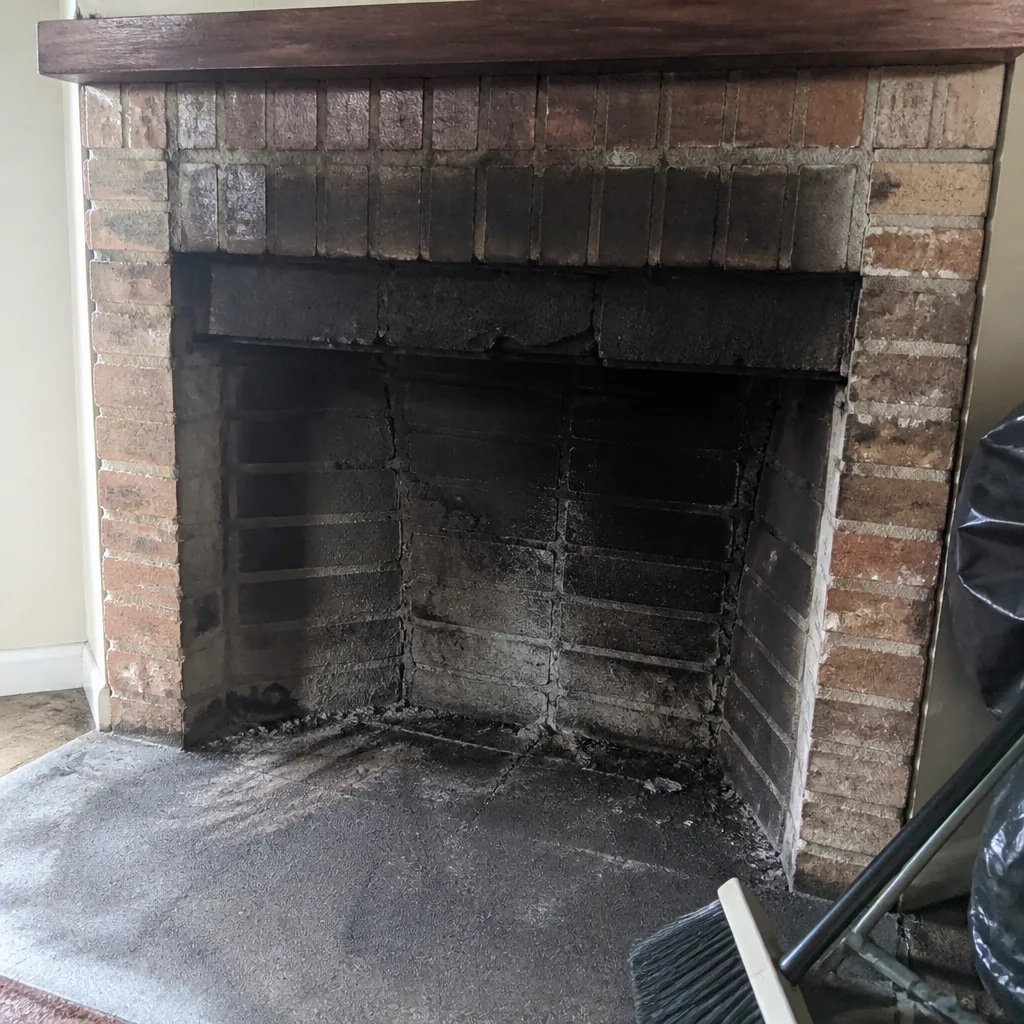 Before
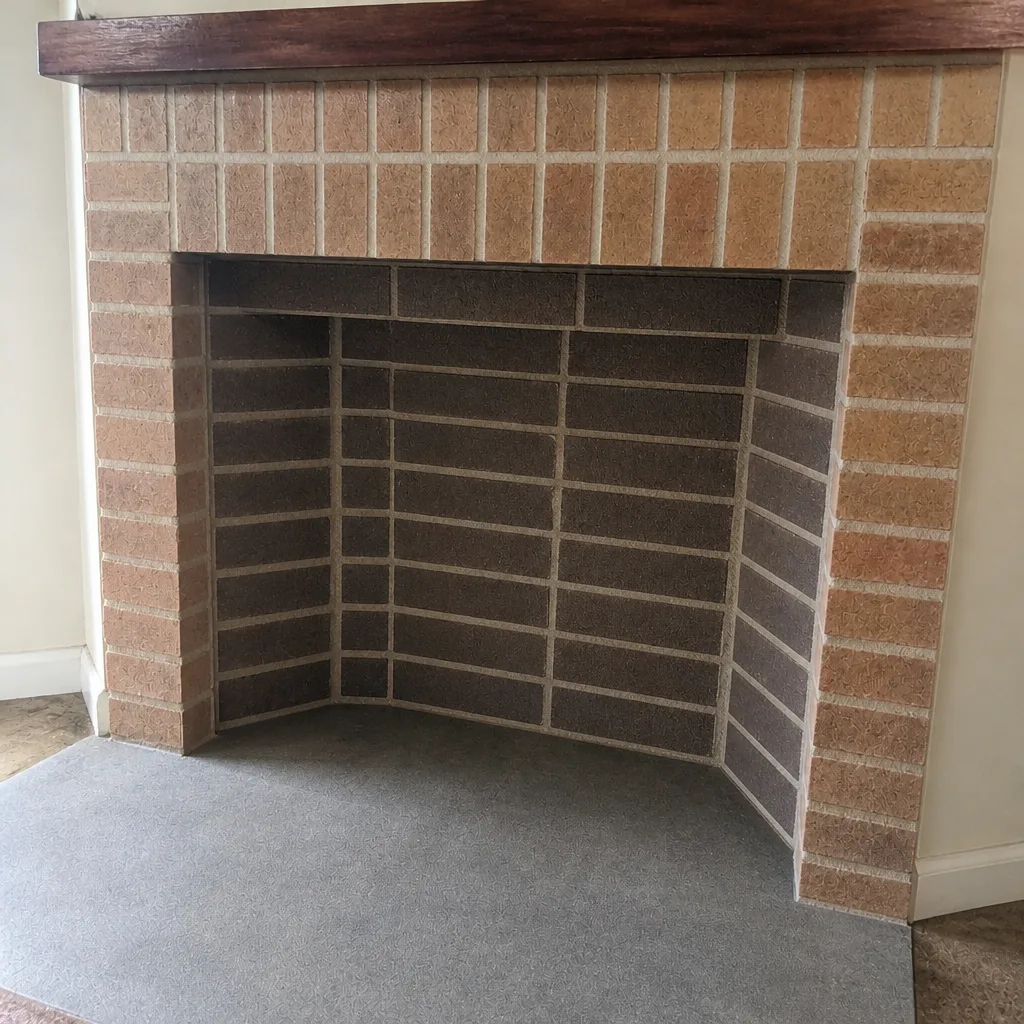 After
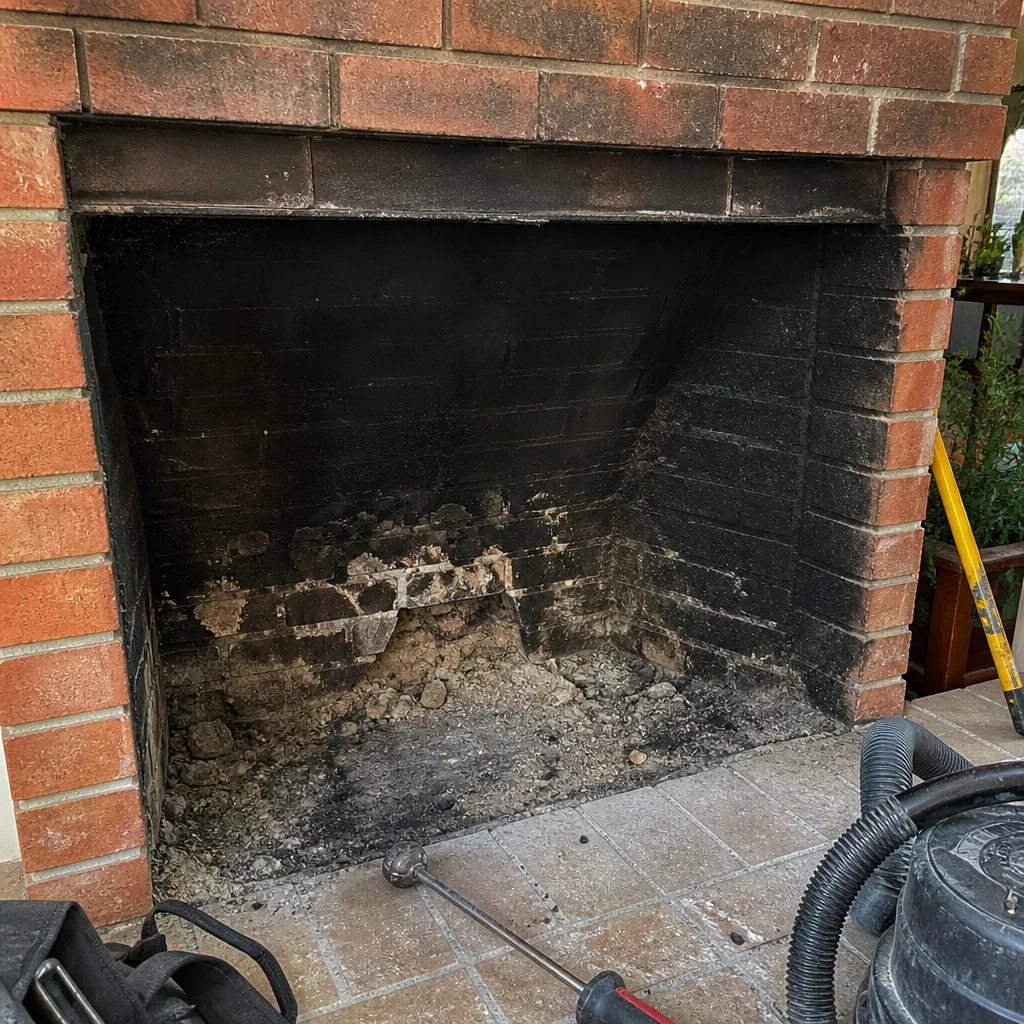 Before
 After
 Before
 After
When to Call a Professional
Some situations call for a professional without waiting for the scheduled visit. Call us if you smell a strong, persistent odor from the fireplace even when it’s not in use, if smoke rolls into the room when you light a fire, if you see cracked or crumbling mortar, a damaged crown, or a loose cap, or if it’s simply been a year or more since the last inspection and you don’t know the condition of the flue. Those signals point to problems a camera inspection can confirm and a sweep-only visit can miss. We handle inspection, cleaning, repair, and cap and crown under one company, and we diagnose first so you know exactly what’s wrong before anything is recommended. Chimney Sweep Orange offers free estimates in Orange. Call (833) 468-2987. We answer 24/7. Fast dispatch from 7am to 7pm, Sunday through Friday.
Frequently Asked Questions
It depends on fuel and use, not just the calendar: a wood-burning fireplace is generally swept after about a cord of wood or when creosote reaches about an eighth of an inch, while a gas insert mostly needs an annual inspection with component cleaning. The annual inspection stays fixed either way, and the sweep interval adjusts to how much you actually burn. Call (833) 468-2987 for an exact recommendation for your fireplace.
Yes, once a year. Gas appliances don’t make creosote like wood does, but the flue still collects dust and debris, and the burner and logs collect soot that affects how the flame burns. An annual inspection catches those issues and confirms the venting is clear. Call (833) 468-2987 to schedule yours.
Spring is for repair after the burn season, when masonry, crown, and flue work can be done and cured through the dry months; fall is for confirmation before the first fire, clearing summer debris and checking that everything is still sound. They’re different jobs, and skipping either one leaves a gap. Call (833) 468-2987 to plan both into your year.
It does. The moisture and airborne salt in the coastal air work on the exterior, the mortar joints, and the crown, so the protective layer at the top can deteriorate faster than in a drier inland climate. That’s why we check the cap and crown at every inspection and treat cracks as a priority. Call (833) 468-2987 for an inspection and a look at the top of your chimney.
It depends on what the inspection finds, and a camera inspection shows whether a condition can safely wait or needs attention soon. A cracked crown or water intrusion shouldn’t be deferred, since local moisture widens the damage, but some findings can be monitored. We tell you plainly which is which before any work is recommended. Call (833) 468-2987 for a free estimate.
Sometimes. When the flue is deteriorated but still structurally sound, HeatShield resurfacing can restore it without a full reliner replacement, which is a repair option many sweep-only companies can’t offer. When a flue does need relining, we use DuraFlex flexible liner systems built for real-world configurations. Call (833) 468-2987 to find out which option fits your flue.
What Actually Happens If You Skip the Schedule?
Skipping maintenance doesn’t usually cause a dramatic failure overnight. What it does is let small conditions grow quietly. Creosote builds up in a wood flue until it becomes a fire risk, a hairline crown crack lets water into the masonry through every wet season, and a flue that was merely rough becomes deteriorated enough to need relining instead of resurfacing. The cost of catching these early is far lower than the cost of repairing them after a season or two of neglect, and the safety margin is much larger. A camera inspection is what turns “I think it’s fine” into a clear answer, and it’s the reason we diagnose before recommending anything. If it’s been a while, the first step is an inspection, and the rest of the schedule follows from what it finds.
The Bottom Line
The generic once-a-year rule gets the most important piece right: inspect annually. But a real chimney maintenance schedule in Orange is built on fuel type and burn frequency, with the cleaning interval set by actual buildup rather than the calendar. Spring is for repair and protection, when masonry, flue resurfacing, and cap and crown work have time to cure. Fall is for confirming the system is clear and sound before the first fire. Track your history so the next technician knows what’s in your flue. And rely on the tasks that genuinely slow wear, like dry wood and a sound crown, not the ones that only look like upkeep. Handle the whole loop under one company, from inspection through repair and protection, and the schedule holds together.
Chimney Sweep Orange handles inspection, cleaning, fireplace repair, chimney repair, and cap and crown installation, working with brands like DuraFlex and HeatShield so the work uses materials specified by chimney professionals. Our technicians have up to 14 years of experience. Call (833) 468-2987 for a free estimate. We answer 24/7. Fast dispatch from 7am to 7pm, Sunday through Friday.
Written by the team at Chimney Sweep Orange.