
Last updated November 25, 2026
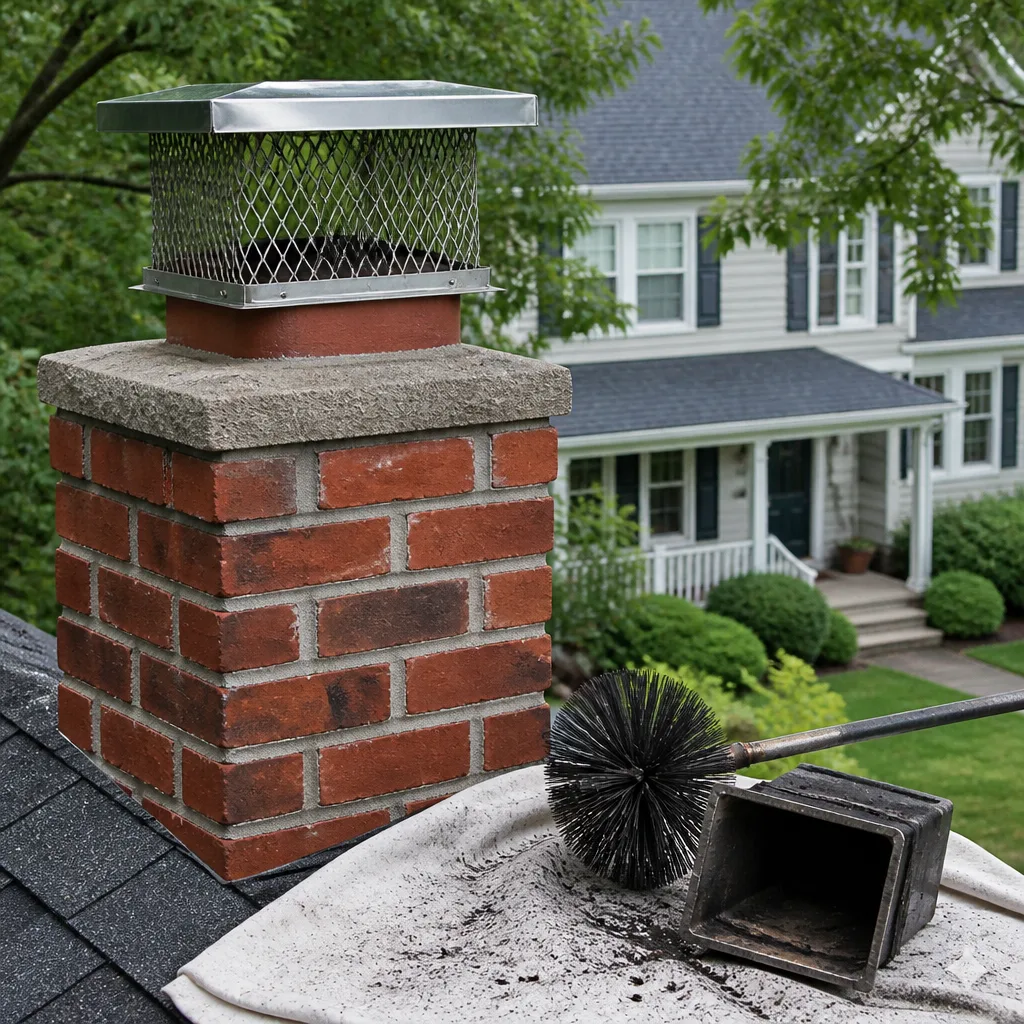 Sweep & inspection
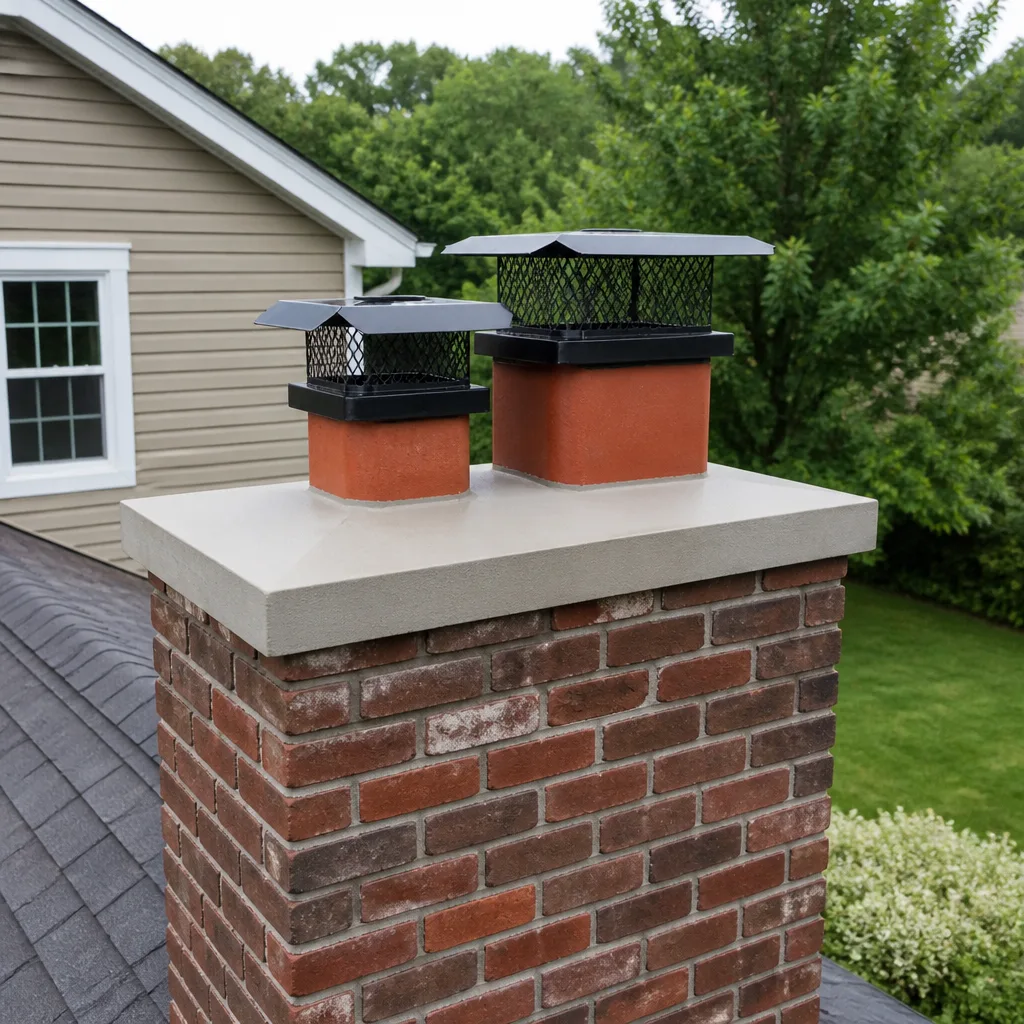 Caps & crowns
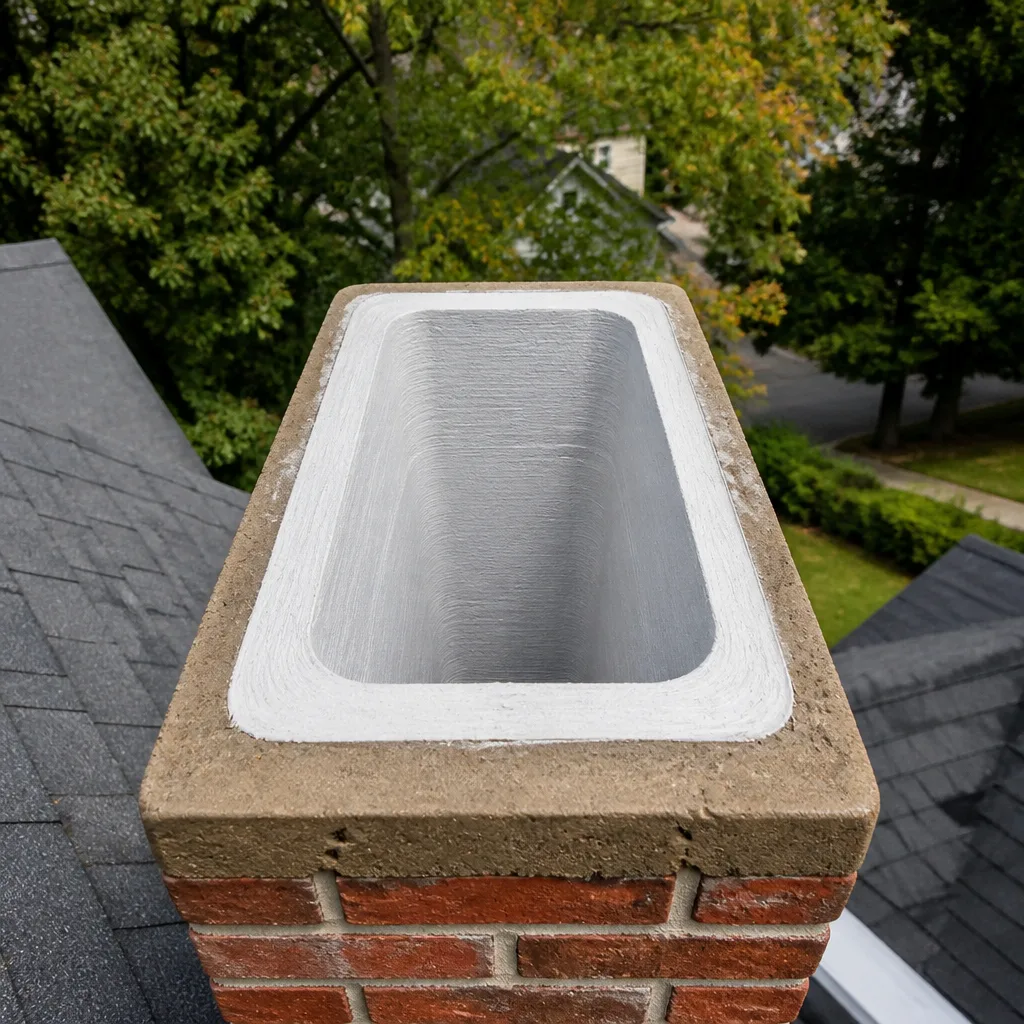 Flue relining
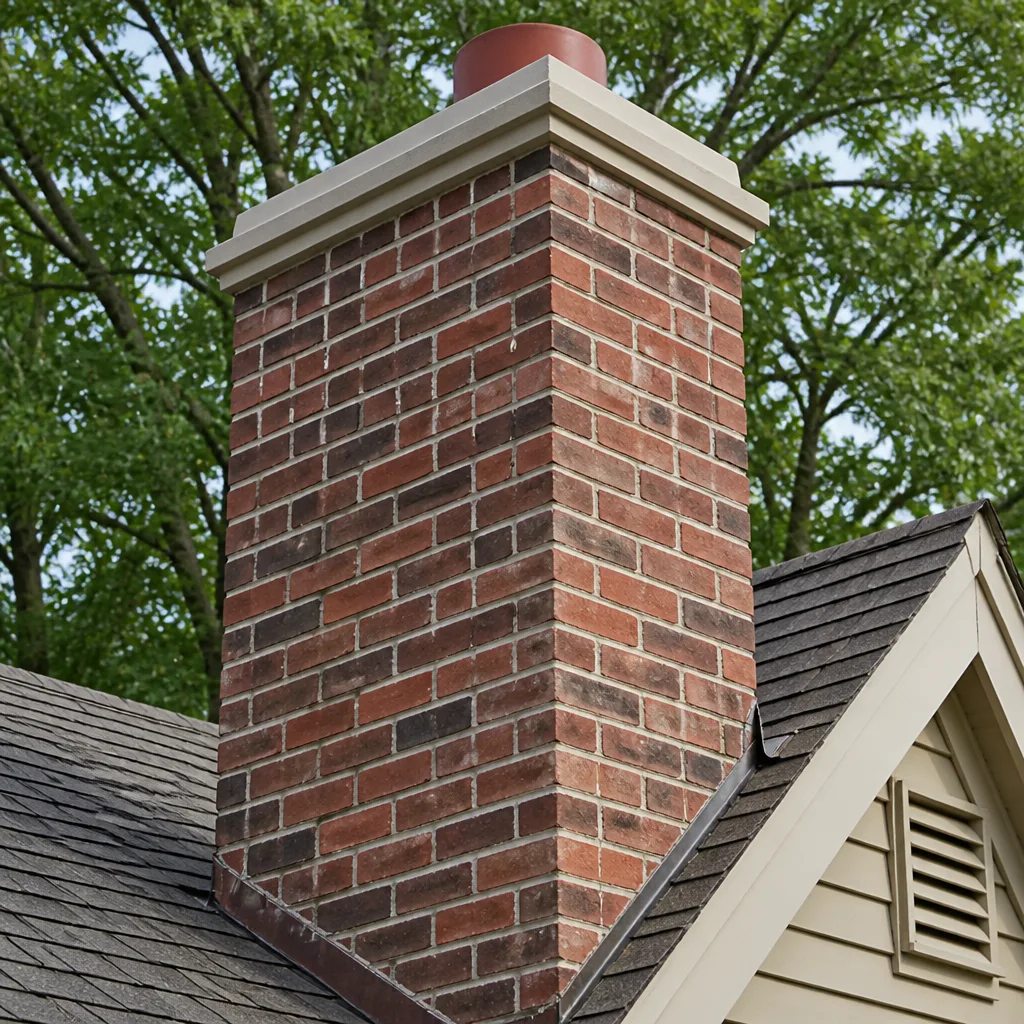 Masonry repair
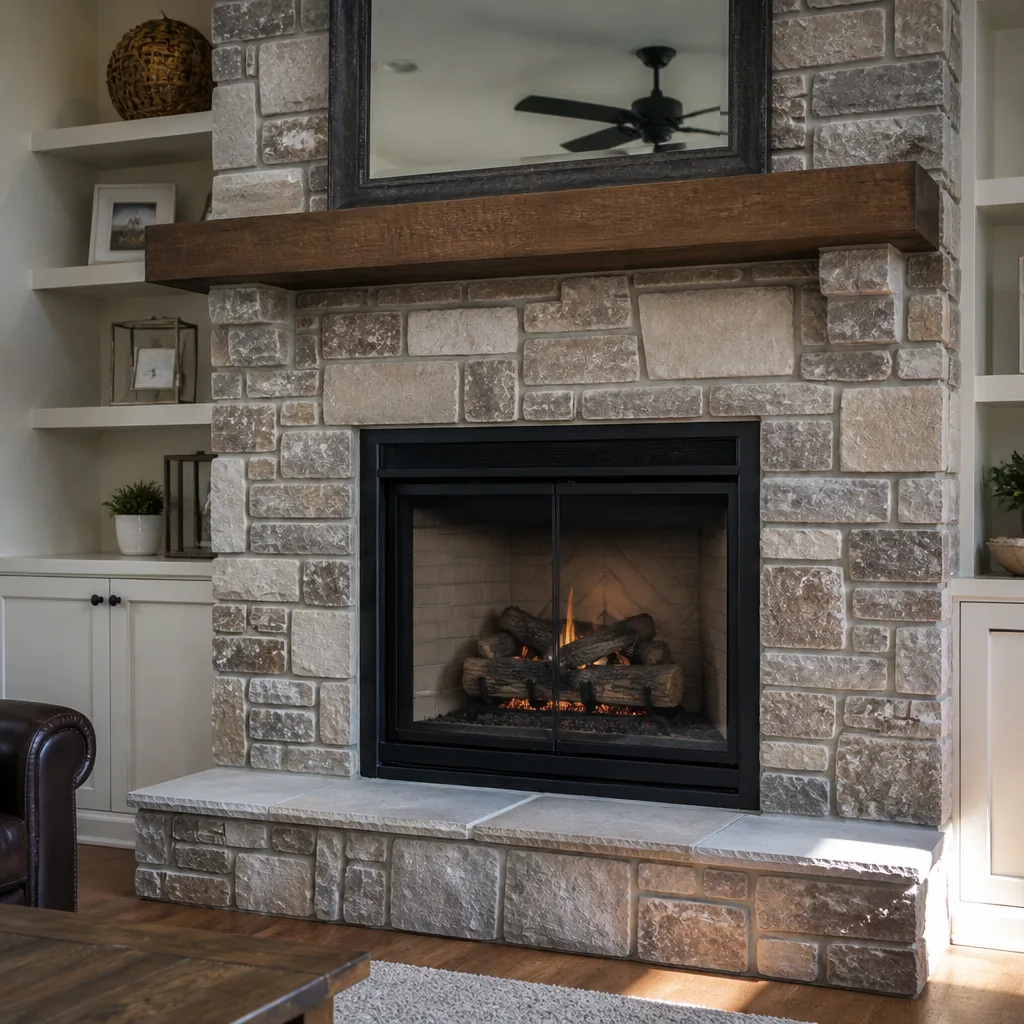 Gas fireplace service
Level 1 sweep and inspection to the NFPA 211 annual standard - flue, crown, cap, and flashing checked and photographed
Chimney sweep logs do not sweep chimneys. They loosen some creosote - which then falls where a brush and vacuum still have to collect it.
Choosing the Right Chimney Cleaning Brand: A Buyer’s Guide for Orange
If a chimney estimate doesn’t name the specific sealants, caps, or liner products being used, the contractor is reserving the right to use whatever’s cheapest. Ask most homeowners what brand of liner or crown coat their last sweep used and you’ll get a blank look. That’s the gap. In Orange, where chimney systems have to hold up through hot, dry summers and the occasional cold snap, the brand on the estimate is often the difference between a repair that lasts a decade and one that needs redoing after a couple of rainy seasons. This guide shows you what the recognized chimney brands actually do, why material specification belongs on every written estimate, and how to read a proposal to verify it’s there.
Quick Answer
Read a chimney estimate the way you’d read a car repair invoice: the materials should be named. A professional proposal specifies the liner system (DuraFlex flexible liner, for example), the resurfacing product (HeatShield), the cap material (copper or stainless steel from makers like Copperfield or Gelco), and the crown coating, with the reason each was chosen for your flue. If those names are missing, you’re being quoted labor with an open-ended materials allowance, and you can’t verify quality or warranty after the work is done. Inspection comes first, materials follow.
Styles & brands we work with
- Sweep & inspection
- Caps & crowns
- Flue relining
- Masonry repair
- Gas fireplace service
Table of Contents
- Why Chimney Materials Brands Matter More Than You Think
- What HeatShield Does That Generic Refractory Caulk Cannot
- Chimney Cap Materials: Stainless, Galvanized, Aluminum, Copper
- Creosote Removal Products: When Chemicals Help and When They Don’t
- Crown Coats and Elastomeric Sealants vs. Cement Patching
- How to Read an Estimate for Brand-Name Materials
- Choosing the Right Liner for Your Flue
Why Chimney Materials Brands Matter More Than You Think
A chimney looks simple from the driveway. In practice it’s a stack of materials doing different jobs under different conditions: firebox brick that takes direct heat, a smoke chamber that channels flame and gas, a flue liner that contains combustion byproducts, a crown that sheds water, and a cap that keeps animals, rain, and debris out. Each one is a specialty product with its own performance specs. Generic substitutes exist for every one of them, and they cost less for a reason.
The sealant a contractor uses on your smoke chamber isn’t cosmetic. It’s exposed to acidic condensate, heat cycling, and unburned fuel residue. A hardware-store refractory caulk can fail from heat stress or crack as it cures. A product rated for a chimney interior, like HeatShield, is formulated to handle those conditions and to keep bonding as the flue expands and contracts. When we recommend a specific brand, we’re not upselling. We’re naming the product because that’s the part that has to hold.
Why does this matter so much in Orange? Our climate pushes materials in both directions. Summer afternoons get hot enough to expand masonry, and the relatively cool nights that follow pull it back. Winters here are mild, but the occasional cold night still creates a light expansion cycle. Chimney systems in Orange that sit under the sun all day take UV exposure on caps and crown coatings that a shaded system elsewhere wouldn’t see. A cap or crown that’s rated for it survives; a cheap one chalks, cracks, and lets water into the top of the chimney structure. Once water gets in, it finds the joints, then the liner, then the ceiling below. The single cheapest piece of the whole system is often the one that protects everything underneath it.
Brand specification is also an accountability issue. If a company names the product, you know what’s in the chimney when the work is done. You can look up what it’s rated for, check its warranty, and confirm it’s the right fit for your flue. If the estimate says “relining” with no product, you can’t verify any of that.
Our Chimney Sweep Orange approach starts with a diagnostic inspection and follows the findings to the materials. We’d rather tell you the flue is fine than sell you a liner you don’t need. When a repair is called for, the brand on the estimate is the brand we install.
What HeatShield Does That Generic Refractory Caulk Cannot
HeatShield is a ceramic refractory flue sealant system used to resurface the interior of a chimney. It’s applied to repair cracked or deteriorated flue tiles and joint gaps without removing the original liner. In plain terms, it seals the flue from the inside and restores a smooth, gas-tight surface where the original tiles have broken down. The result is a repaired liner, not a replacement.
It matters because of what a typical flue looks like in an older Orange home. The flue tiles were set with mortar joints, and those joints crack as the chimney heats and cools over years. Cracks in the liner are a real concern, because they let combustion gases, including carbon monoxide, migrate into chimney structure, and in some cases into the living space. A liner that isn’t gas-tight isn’t doing its job.
Here’s the difference between HeatShield and generic refractory caulk, spelled out:
- Formulation: HeatShield is engineered as a ceramic refractory sealant for chimney interiors and rated for the temperatures and chemical exposure inside a working flue. Generic caulk products at the hardware store are usually formulated for masonry joints or exterior patching, not for the interior of a chimney.
- Application method: HeatShield is applied to the entire flue surface with a system designed for that purpose, and it’s built to fill joint gaps and blend across cracked tiles. Troweled-on caulk reaches only the spot it’s applied to.
- Structural function: The system restores a flue that’s still structurally sound, so you avoid a full relining when you don’t need one. Caulk on a cracked tile does nothing for the deterioration underneath.
- Documented result: The applicator inspects the flue before and after, so you can see the difference. Spot-caulk leaves you guessing.
This is where brand specificity earns its place on the estimate. HeatShield isn’t the right fix for every flue. If the liner is broken out, deteriorated past a repairable point, or missing entirely, you need a new liner, and that’s a different conversation. If the flue is sound but the joints are cracked, resurfacing with HeatShield addresses the problem without tearing out the liner. That option is worth knowing about, because a sweep-only company without resurfacing capability often recommends a full reline because it’s the only fix it offers.
We use HeatShield because it’s the recognized resurfacing system for smoke chambers and flue joints, and because it gives an alternative to relining when the flue qualifies. Our technicians have up to 14 years of experience with flue interiors, and the first thing they do is look, not quote.
Chimney Cap Materials: Stainless, Galvanized, Aluminum, Copper
The chimney cap does three jobs: it keeps rain out of the flue, keeps animals out of the chimney, and sparks and embers in. It’s the most exposed component on the whole system, sitting on top of the chimney crown under full sun. In Orange, that means UV exposure year-round and daily heating. Cap material choice matters more here than in a cloudy climate because the sun does more of the aging work.
Here’s how the four common cap materials compare:
- Stainless steel (DuraFlex, Olympia Chimney, Gelco, and similar brands): The baseline choice for most residential chimneys. Stainless resists rust and corrosion well, holds up to UV, and handles the temperature swings a flue above a fire sees. It’s the material we default to for caps unless the homeowner specifically wants a decorative finish.
- Galvanized steel: Cheaper than stainless and fine for a short run, but the zinc coating eventually gives out. Under harsh sun and moisture, that can happen sooner than the homeowner expects. Galvanized caps are common on builder-grade chimneys, and they’re often the ones we replace.
- Aluminum: Lightweight and rust-resistant, but softer. In an area with strong UV, aluminum caps can fade and dent under debris or bird strikes. Fine for a light-duty cap, less so for a chimney that needs to last.
- Copper (Copperfield caps and similar): The premium choice. Copper isn’t cheap, but it forms its own protective patina and can outlast the chimney itself. It also looks good, which is why homeowners with a visible roofline sometimes specify it. Warranty terms vary by maker, so ask for the manufacturer’s documentation on whichever cap you choose.
The cap also has to be sized and fitted to the flue, with a spark arrestor screen where code requires one. A cap that’s the wrong size or sitting loose does less than nothing, because it can blow off in a wind and leave the flue wide open. A proper cap and crown job includes a crown coat, and that’s what protects the top of the chimney from water intrusion. Some companies subcontract cap installation or skip it altogether. In our experience, the cap and crown is the step that protects every other repair, so it belongs in the same job.
Creosote Removal Products: When Chemicals Help and When They Don’t
Creosote is the tar-like residue left behind when wood burns. It builds up in stages, from a light soot layer to a hard, glazed deposit, and the hard stage is what fuels chimney fires. Chemical creosote removers like Rutland creosote remover or Anti-Creo-Soot are real products with real uses. They aren’t a replacement for mechanical cleaning, and understanding the difference keeps you from wasting money or, worse, from thinking your chimney is clean when it isn’t.
Here’s how chemical creosote products actually work:
- They react with creosote to make it looser. The chemical changes the structure of the deposit so it becomes more brittle or powdery, which lets the mechanical sweep remove it more completely. They don’t make creosote disappear.
- They’re used before a sweep, not instead of one. The product goes on the fire or in the firebox, the residue softens over the burn cycle, and then the sweep removes it. The chemical plus the brush is the method.
- They’re appropriate for moderate buildup and as a maintenance aid. A product is fine for a flue with typical soot or moderate creosote. If the deposit is heavy or glazed, mechanical removal with proper tools comes first, and the chemical is a follow-up, not a substitute.
- They never replace inspection. Whether a flue is clean can only be verified by looking at it. A spray or a log that promises to clean a chimney is not a substitute for a sweep with a camera and a brush.
What we tell homeowners in Orange: chemical creosote removers are a useful tool in the right hands and at the right stage. The category that actually causes chimney fires is glazed, third-degree creosote, and that has to be removed mechanically. If a chimney company sells you a bottle and calls it a cleaning, ask what it will look like inside the flue after, and whether they’ll show you. We use recognized brands when the situation calls for them, and we say so when it doesn’t.
Crown Coats and Elastomeric Sealants vs. Cement Patching
The chimney crown is the concrete or mortar cap at the very top that slopes away from the flue. Its whole job is to shed water, and when it cracks, water gets into the brick and the liner system from the top. Over time, that water works downward through freeze-thaw cycles and causes spalling, rusted damper parts, and interior staining. Patching a crown with Portland cement is the traditional fix. It doesn’t last.
Why not? Portland cement is rigid. It’s strong in compression but prone to cracking under the same thermal movement that cracked the original crown. A cement patch often looks fine for one season and then reopens at the same seam. Cement also doesn’t bond well to a surface that’s already been weathered.
An elastomeric crown coat, like CrownCoat, is a flexible, rubberized coating applied over the crown surface. It moves with the masonry instead of cracking, and it forms a continuous membrane across the crown and up onto the flue tile. That’s the difference between a repair and a patch. The coating stays in place through expansion and contraction that would reopen a cement joint.
The climate point in Orange: winters are mild, but nights can get cold enough to create light freeze-thaw action on exposed masonry, especially after a wet spell. A crown that has micro-cracks lets water sit at the top of the chimney, and the next cold night does the damage. An elastomeric coat is the right product for that exposure. A cement patch is not.
We install cap and crown together because they solve the same problem. The cap handles rain and animals; the crown coating handles the concrete underneath. If a company quotes you “repair crown” without naming a product, ask what they’re applying and how flexible it is. If they say “cement,” ask about crack resistance over the next few winters.
How to Read an Estimate for Brand-Name Materials
Here’s the practical question every homeowner faces: how do you know if an estimate is real? The answer is in the language. A professional proposal names the materials and the reason for choosing each one. A vague proposal doesn’t. Compare these two examples side by side.
Vague estimate: “Chimney reline, includes materials and labor, $X.” You don’t know what kind of liner, whether it’s insulated, what size, or what warranty applies.
Professional estimate: “DuraFlex stainless steel flexible liner, insulated, sized to the flue, with a cap and a crown coat by [manufacturer], inspected before and after.” You know the product, the fit, the finish, and what the warranty covers.
Here’s what to check on any estimate you receive, in order:
- Is a product named for each scope item? Liner, cap, crown coat, sealant, mortar. If any of those say “materials” with no brand, ask what it is and get it in writing.
- Is the sizing reasonable? A liner has to fit the flue. Ask how the flue was measured.
- Does the estimate match the inspection? If the inspection found a cracked joint, the estimate should address that joint, not a full reline.
- Is the warranty explained? Brand-name materials come with manufacturer warranty terms. Ask to see them.
- Does the scope cover the protective finish? A liner repair without a cap and crown leaves the top of the chimney exposed. If the estimate stops at the liner, ask why.
One more thing. A company that walks in with a big number before it’s looked inside your chimney isn’t quoting you, it’s guessing. We diagnose first. The chimney sweep and inspection are where the findings come from, and the estimate follows from those findings in writing.
Choosing the Right Liner for Your Flue
A liner is the flue inside the flue. It’s the surface that channels combustion gases upward and out, and it has to be sized right, gas-tight, and rated for the fuel being burned. When a liner is missing, cracked, or undersized, the fix is relining. The brand of liner matters because not all liners handle all chimneys. Rigid liners work well in straight, clean runs. When the flue has an offset, a bend, or a tight squeeze, a flexible liner is the right tool, and DuraFlex flexible liner systems are designed for exactly those real-world configurations.
Relining is also where a homeowner is most vulnerable to a wrong recommendation. The most expensive scope item is the liner, so it’s the one most often pushed. The question to ask is why. A flue with one cracked joint is not a reline candidate; it’s a resurfacing candidate. A flue with broken tiles or no liner is. Without a camera look inside the flue, neither the homeowner nor the contractor knows which one they’re looking at. We show the findings before we recommend anything, and we say when a repair can wait.
Two things happen in this step that separate a professional reline from a fast one. First, the flue is inspected thoroughly before the quote. Second, the liner is insulated and sized to the flue, not picked off a shelf. That’s what the client is paying for, and the brand name on the invoice should reflect it. If a quote for relining comes without a product name, ask what system they’re using and why it’s the right one for your flue. If the answer is indistinct, that’s your answer about the company.
Common Mistakes to Avoid
- Hiring on price alone. The cheapest sweep quote often hides generic materials and skipped steps. A chimney system is a set of specialty parts; the price reflects the parts.
- Accepting a reline quote without a scope and inspection. If a company hasn’t looked inside the flue with a camera, it can’t tell you what you need. Ask for the findings before the estimate.
- Skipping the cap and crown. It’s the least glamorous part of the job and the one that protects everything else. A liner repair with no cap is a repair waiting to get wet.
- Treating a creosote product as a cleaning. Chemical removers help the sweep do its work; they don’t stand in for it. If the flue isn’t brushed, the creosote is still there.
- Assuming cement patching is a permanent crown fix. Rigid cement reopens at the same seams. Ask for an elastomeric coat on exposed crowns.
- Ignoring the fireplace area. The firebox and damper are part of the same system. A chimney that’s clean but has a rusted damper and broken firebrick is only half-serviced. That’s where fireplace repair comes in.
- Assuming the chimney will “be fine” through an Orange summer. Hot, dry conditions and UV exposure age caps and crowns. The system still needs inspection even if you don’t burn wood in summer.
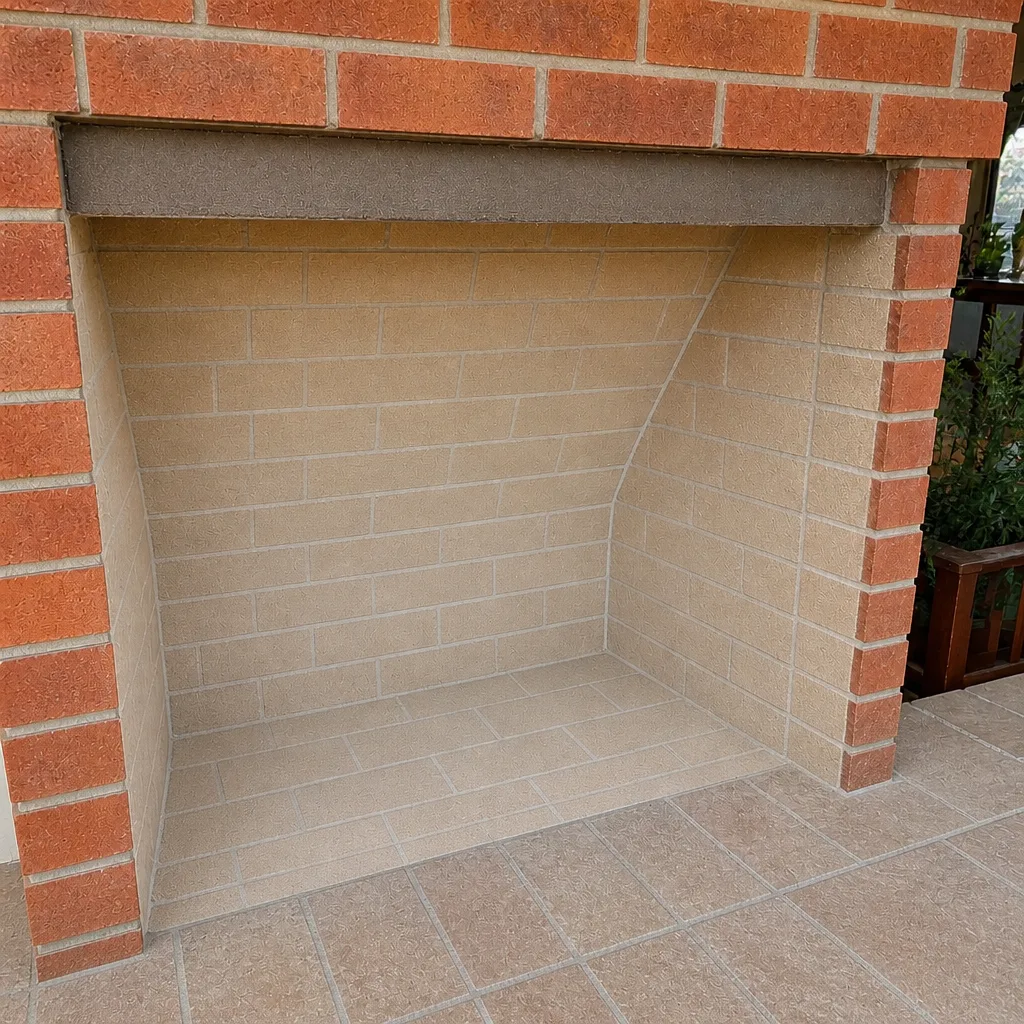
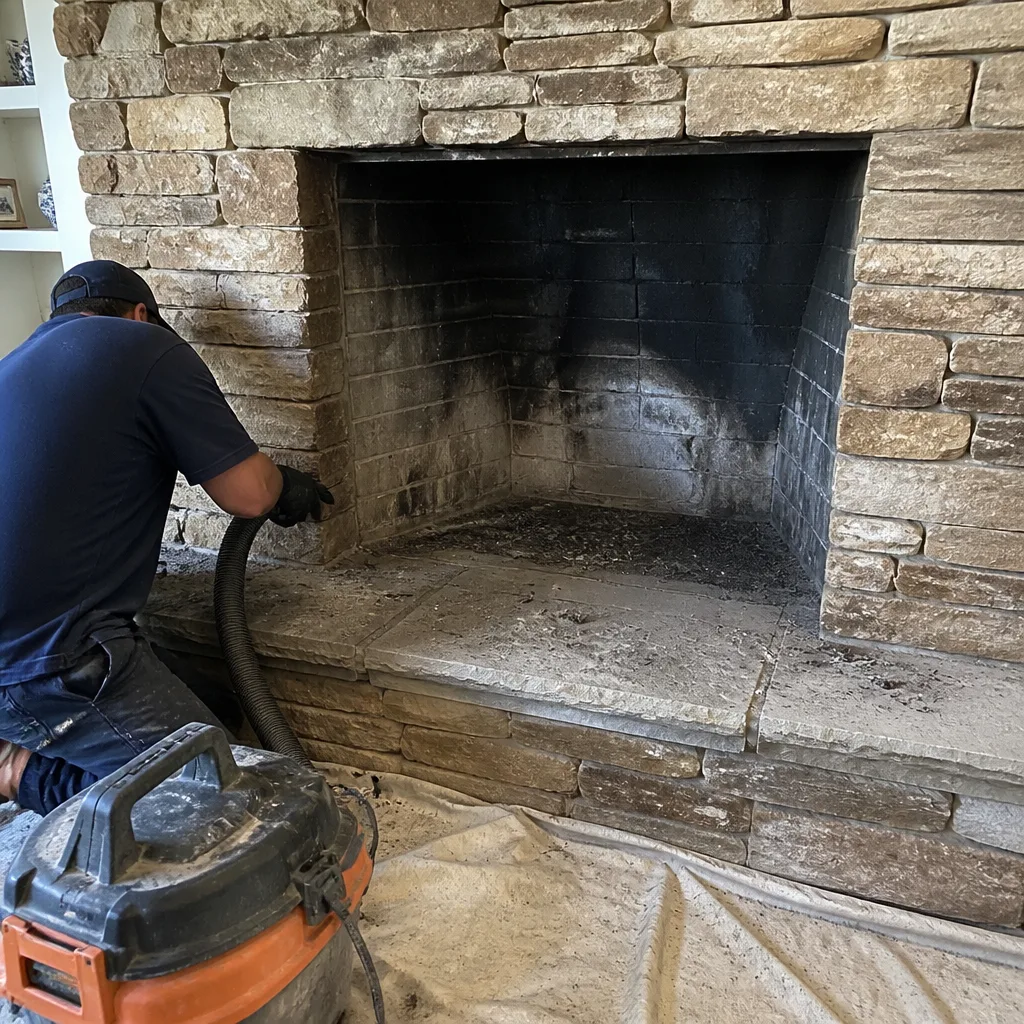
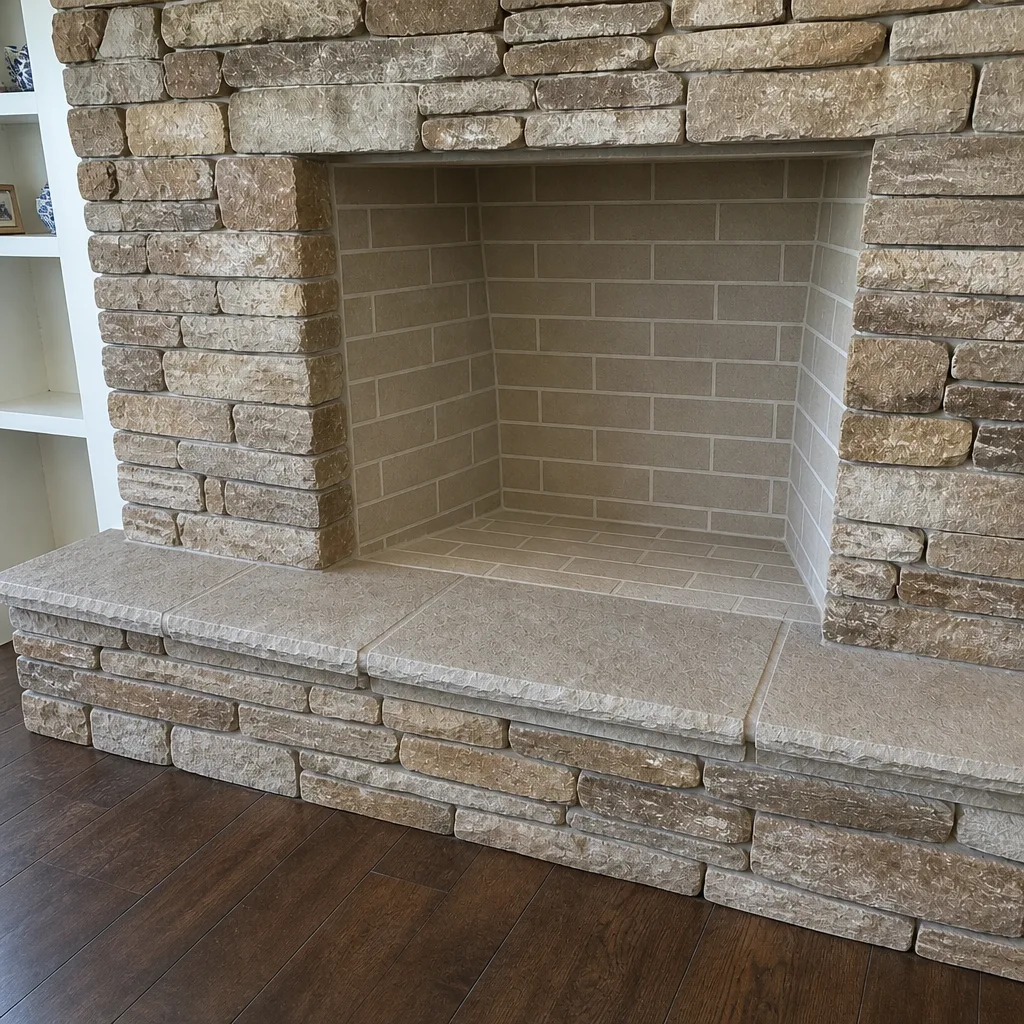
See the difference
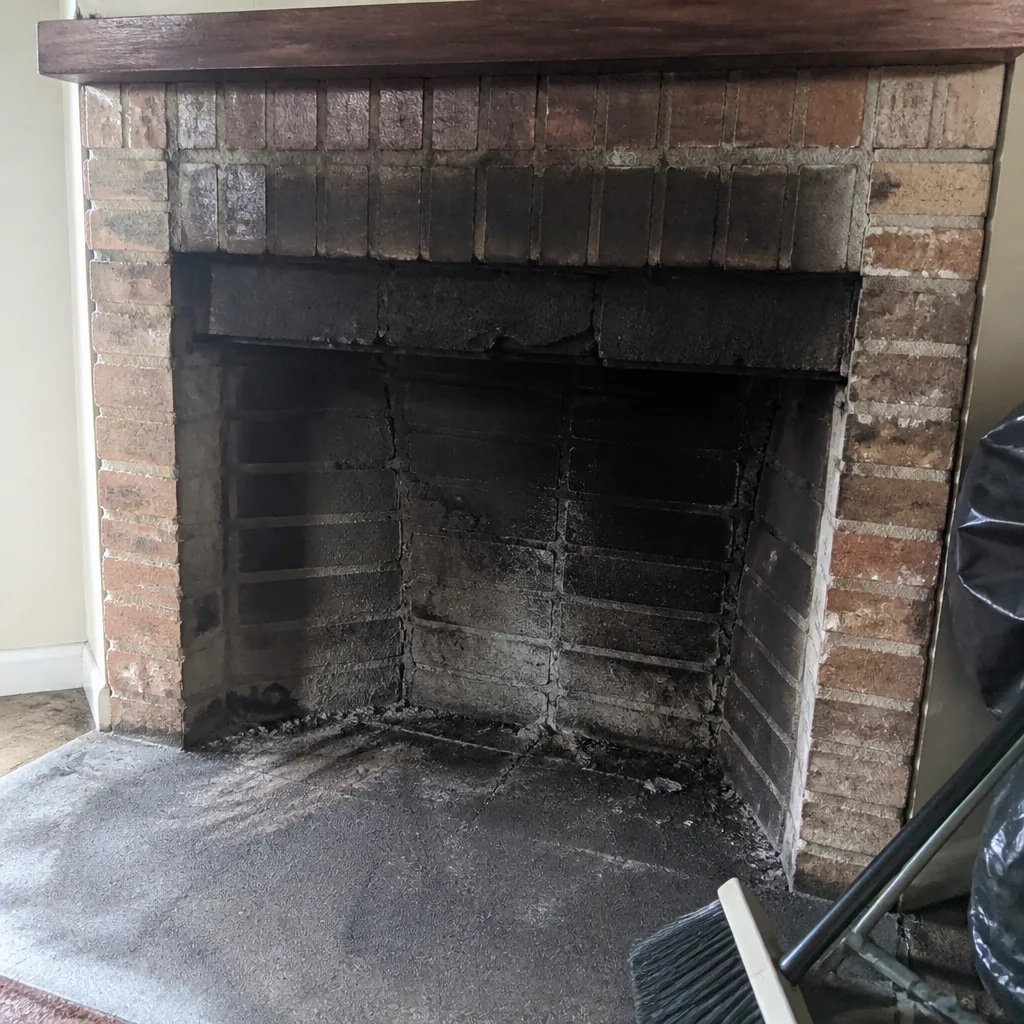 Before
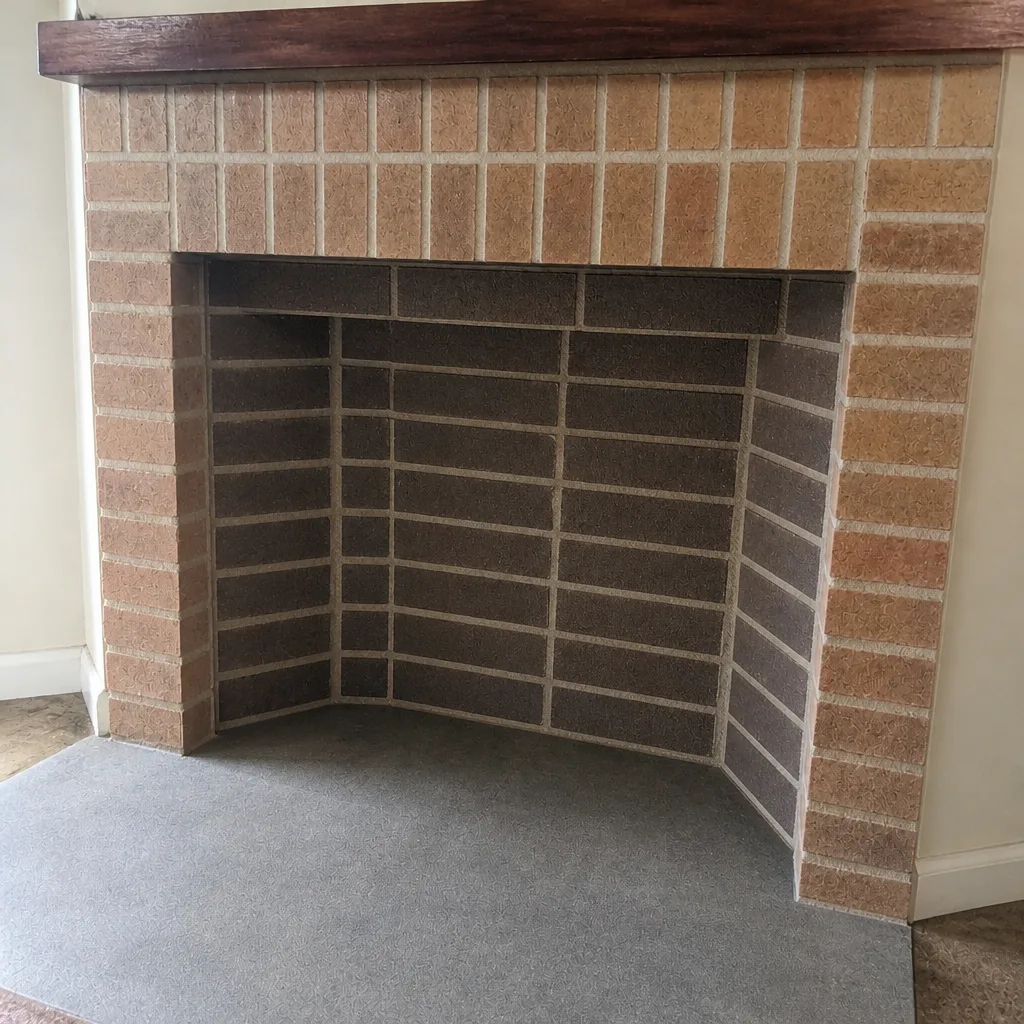 After
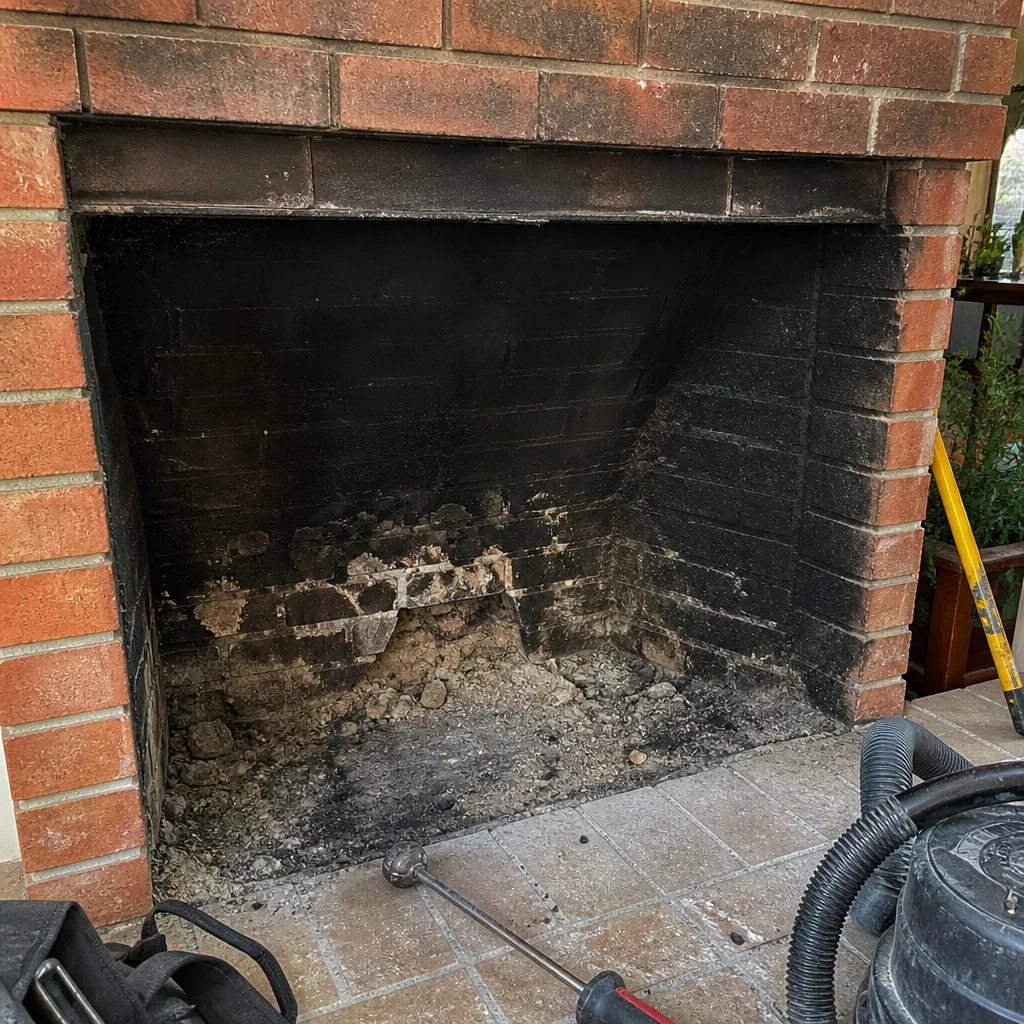 Before
 After
 Before
 After
When to Call a Professional
Call a professional if you haven’t had the chimney inspected since you moved in, if the fire isn’t drawing well or smoke rolls into the room, if you can see cracked flue tiles, if the cap is missing or damaged, if the crown has visible cracks, or if you’ve burned unseasoned wood and aren’t sure what’s inside the flue. Any of those is a reason to have someone look. Chimney Sweep Orange offers free estimates in Orange. Call (833) 468-2987. We answer 24/7. Fast dispatch from 7am to 7pm, Sunday through Friday.
Frequently Asked Questions
The right answer names the product for the job: a flexible liner system like DuraFlex for relining, HeatShield for flue resurfacing, Copperfield or Gelco caps in stainless or copper, and an elastomeric crown coat for the top. A professional estimate specifies the material and the reason it was chosen for your flue. If the brand isn’t on the paper, ask why. Call (833) 468-2987 for an exact quote on your chimney.
Not necessarily. A new liner is needed when the flue is unlined, badly broken out, or beyond resurfacing. A flue with cracked joints but sound tile is a candidate for HeatShield resurfacing instead. The only way to know which you’re dealing with is an inspection with a camera. We show you what we find, and we say when repair can wait. Call (833) 468-2987 for an exact quote.
Once a year if you burn wood regularly, and once a year as an inspection baseline even if you burn less often. The point isn’t only to remove creosote; it’s to look inside the flue and confirm nothing has shifted. Local conditions, including the UV exposure on the cap and crown, make an annual look the sensible habit. Call (833) 468-2987 for an exact quote.
Creosote accumulates in stages, and the hard, glazed stage is the one that fuels chimney fires. A liner with cracked joints can also allow combustion gases to escape into the structure. Neither problem announces itself before it matters. A yearly sweep and inspection catches both while they’re cheap to fix. Call (833) 468-2987 for an exact quote.
Yes, when the flue qualifies. HeatShield resurfacing restores a structurally sound but cracked or deteriorated flue from the inside, sealing joints and restoring a gas-tight surface without a full reline. It isn’t the right choice for a liner that’s broken out or missing. An inspection tells you which situation you’re in. Call (833) 468-2987 for an exact quote.
They can, and the failure often shows up first on the most exposed parts. Galvanized caps lose their coating sooner than stainless, cement crown patches reopen at old seams, and generic refractory caulk isn’t formulated for the inside of a working flue. Brand-name products are rated for the job and come with documented warranty terms you can hold onto. Call (833) 468-2987 for an exact quote on materials for your chimney.
The Bottom Line
The brand on your chimney estimate is the part you can actually verify. HeatShield for resurfacing, DuraFlex for relining, Copperfield or Gelco for caps, and an elastomeric crown coat for the top of the chimney are the materials that make a repair last. Our recommendation is to diagnose first, name the product on the estimate, and treat the cap and crown as part of the job, not an add-on. Ask for the written scope, verify the materials, and keep the warranty paper. If you’re in Orange and want an honest look at your chimney system from inspection to repair, call chimney repair experts. We use the brands we name because we stand behind what goes into the flue.
To get started, call (833) 468-2987 for a free estimate. We answer 24/7. Fast dispatch from 7am to 7pm, Sunday through Friday.
Written by the team at Chimney Sweep Orange.