
Last updated November 25, 2026
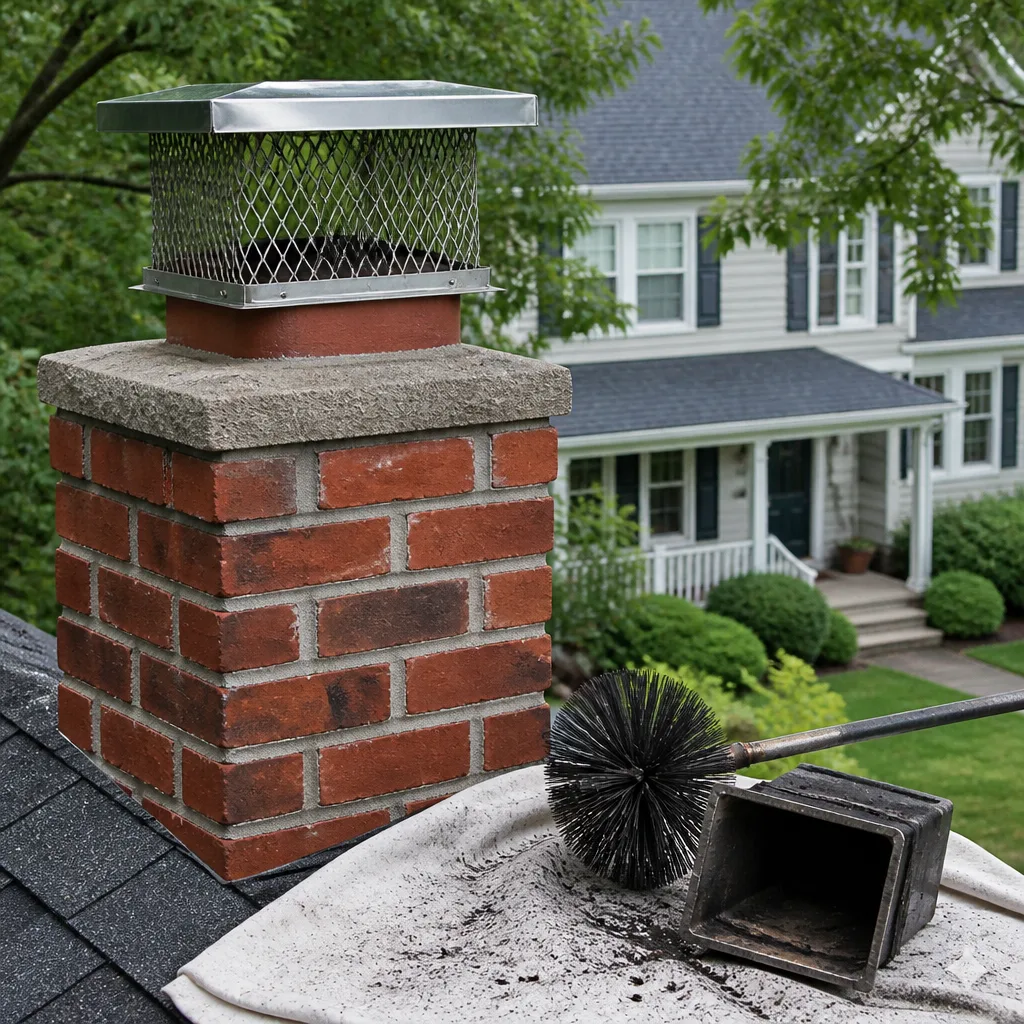 Sweep & inspection
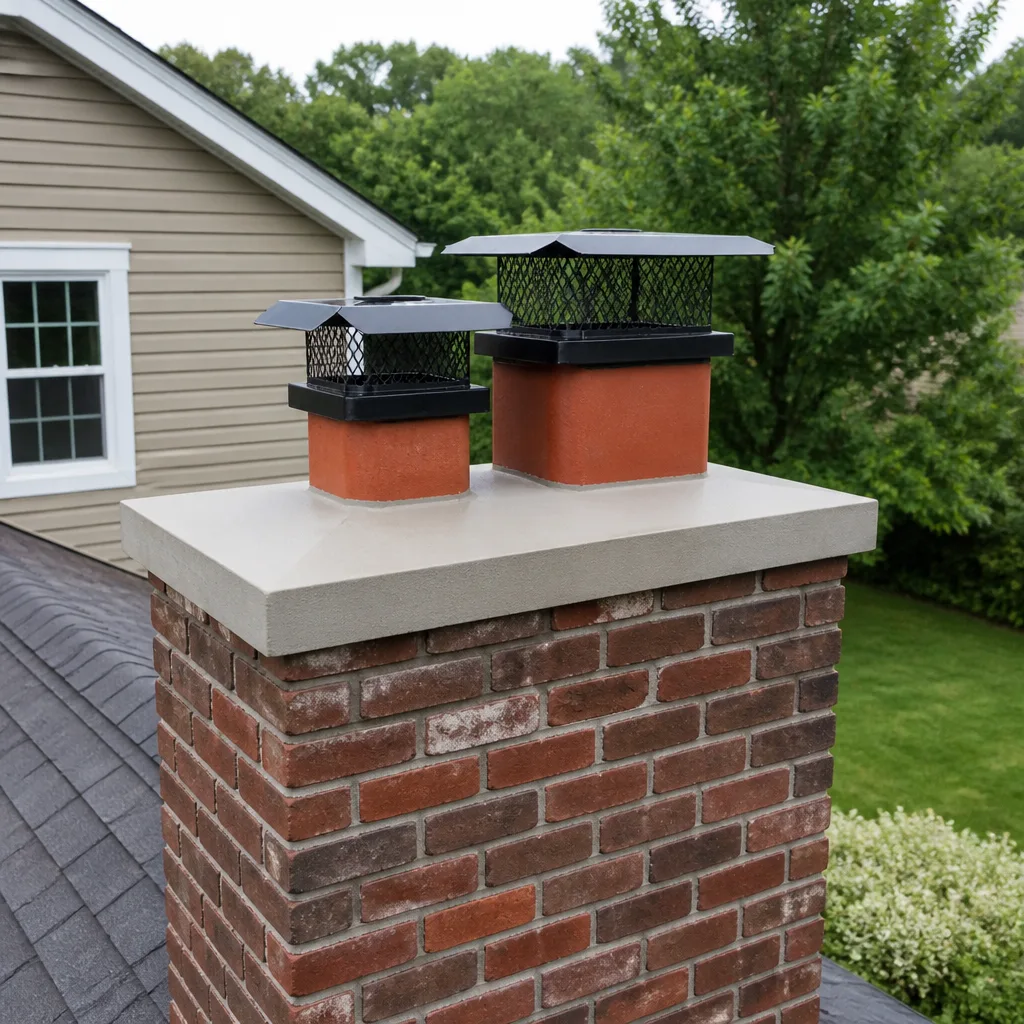 Caps & crowns
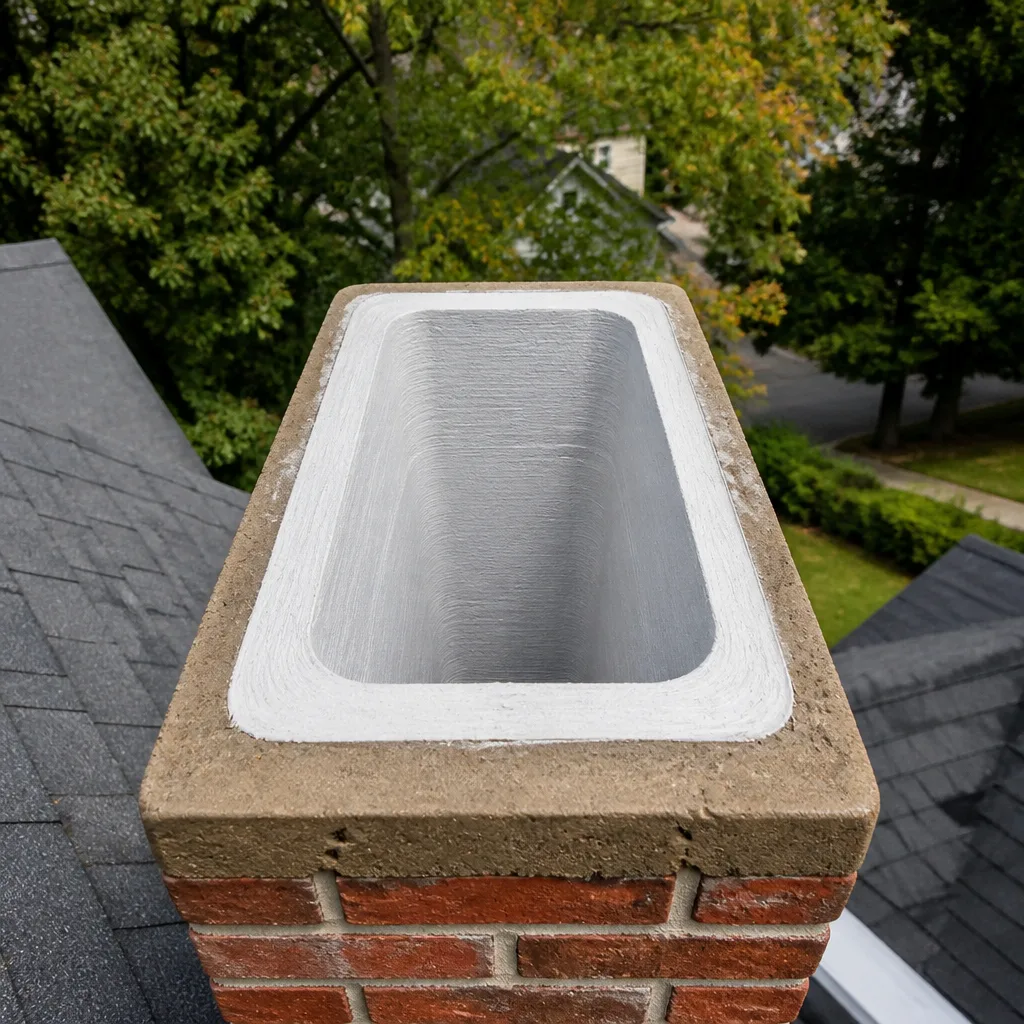 Flue relining
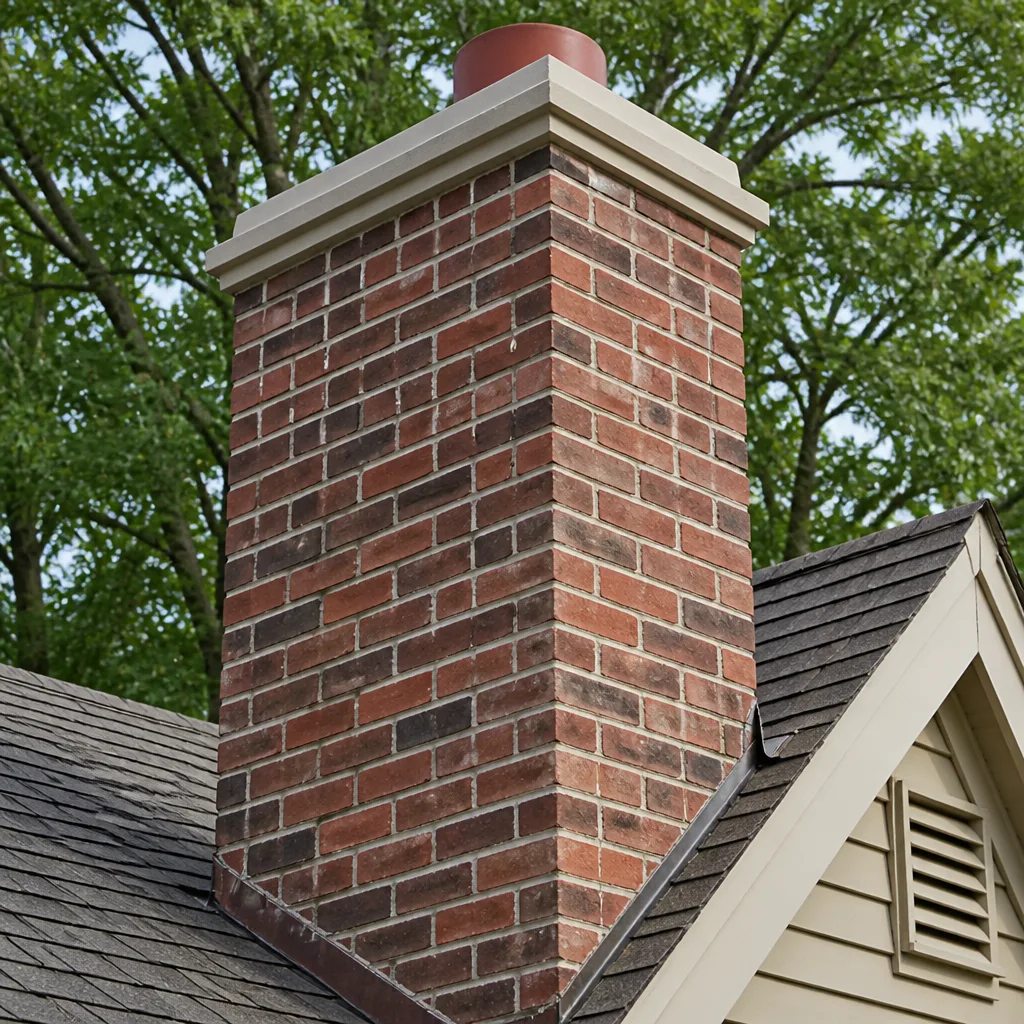 Masonry repair
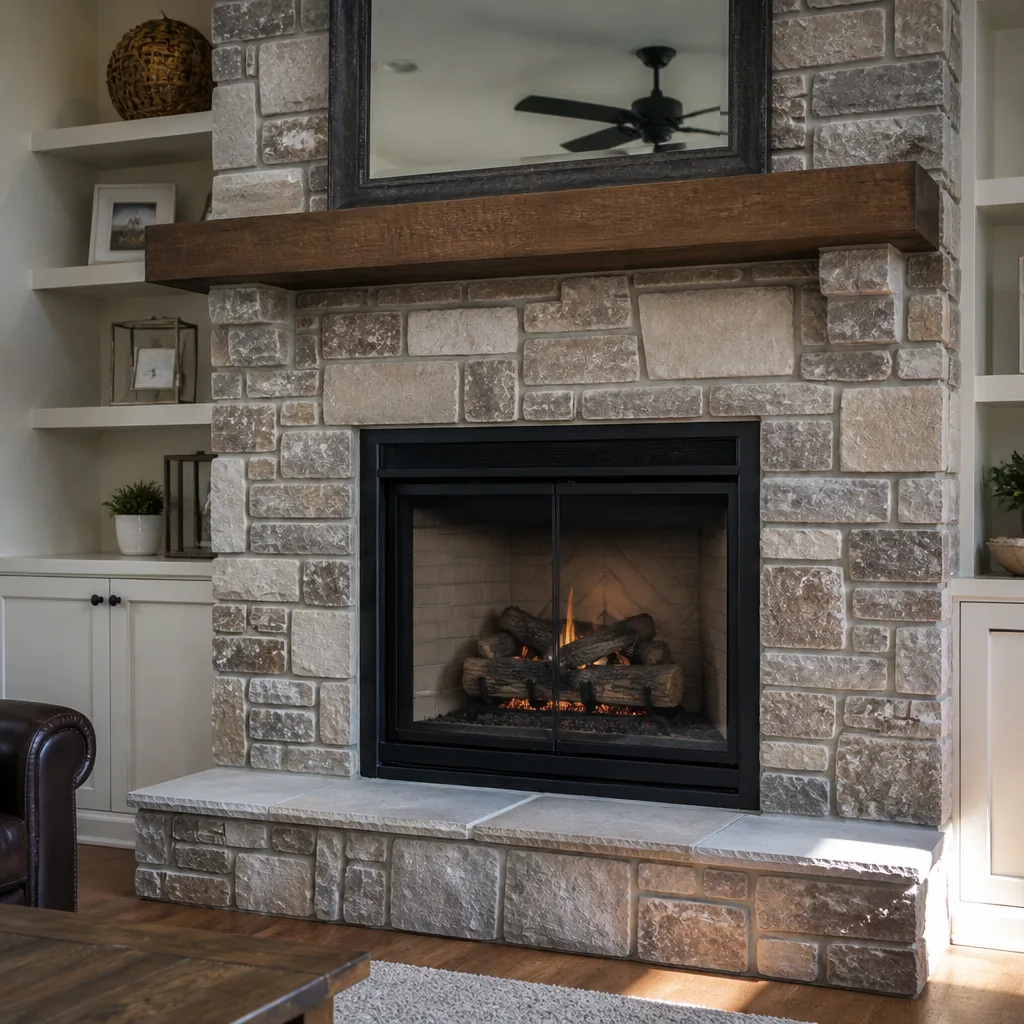 Gas fireplace service
Level 1 sweep and inspection to the NFPA 211 annual standard - flue, crown, cap, and flashing checked and photographed
Chimney sweep logs do not sweep chimneys. They loosen some creosote - which then falls where a brush and vacuum still have to collect it.
The Complete Guide to Chimney Cleaning in Orange
Most Orange homeowners burn fewer cords per season than homeowners in colder states. You’d expect that to mean less creosote. It usually means the opposite. Short, intermittent fires produce cooler flue gases, and cool flue gases leave behind deposits that are stickier and harder to remove than the loose, powdery soot people picture when they hear “chimney sweep.” That single fact changes how a chimney in Orange should be cleaned, how often, and by whom. In this guide we walk through what a real cleaning covers, why a sweep-only visit often leaves problems unaddressed, what Southern California’s mild climate does to creosote, and how to tell professional equipment and method from cut-rate work before you pay for it.
Quick Answer
Chimney cleaning in Orange means more than running a brush up the flue. A complete cleaning includes the firebox, smoke chamber, damper, and flue liner, followed by a video or visual inspection that documents what was found. In Orange’s mild climate, infrequent burning tends to create stickier Stage 2 creosote that needs rotary cleaning rather than a simple pass with a brush, and gas fireplace flues still need annual attention even though they produce far less soot.
Styles & brands we work with
- Sweep & inspection
- Caps & crowns
- Flue relining
- Masonry repair
- Gas fireplace service
Table of Contents
- Why Chimney Cleaning in Orange Isn’t a Cold-Climate Job
- Stage 1 vs. Stage 2 Creosote: What You’re Actually Removing
- A Sweep-Only Visit vs. a Full-Service Cleaning
- Do Gas Fireplaces in Orange Still Need Annual Cleaning?
- Wildfire Smoke, Debris, and Pre-Season Prep
- Rotary Systems and HEPA Vacuums vs. Cut-Rate Equipment
- What Chimney Cleaning Costs in Orange
- When to Schedule in Orange
Why Chimney Cleaning in Orange Isn’t a Cold-Climate Job
Most generic chimney advice is written for places with four real seasons and five-month heating loads. Orange doesn’t work that way. Winters here are mild, fires get lit for a few evenings and then sit cold for weeks, and the chimney spends more of the year dormant than active. That cycle produces a specific pattern of buildup that a cold-climate guide won’t tell you about.
Here’s the mechanism. Creosote forms when wood smoke cools and condenses on the flue walls. Hot, steady fires keep the flue warm and push most of the vapor out before it settles. Short fires, damp wood, and long idle stretches do the reverse: the flue stays cool, the smoke lingers, and the deposits that form are denser and more gummy. We’ve seen flues in Orange that look lightly used and still hold glazed deposits a homeowner assumed couldn’t exist because they only burn a dozen times a year.
The practical result:
- Annual sweeping still matters, but the interval should be based on how much you actually burn, not the calendar alone.
- Lightly used chimneys often need a more aggressive cleaning method than heavily used ones, because the deposits are stickier.
- Dormant months let debris, dust, and nesting material accumulate in a flue that was clean at the end of the last season.
- A chimney that sits idle through a warm fall can develop an odor problem that has nothing to do with fire and everything to do with what’s collected inside.
Orange’s older housing stock adds another variable. Many homes here were built with masonry fireplaces designed for open-hearth burning, and those systems have larger smoke chambers and different draft characteristics than a modern insert. A technician who treats every chimney the same will clean every chimney the same way, which is not the same as cleaning it correctly.
Stage 1 vs. Stage 2 Creosote: What You’re Actually Removing
Creosote comes in three recognizable stages, and knowing which one is in your flue tells you what kind of cleaning you’re paying for. In Orange’s shorter burn season, Stage 1 and Stage 2 deposits are both common, and the jump between them is where most cleaning quotes fall apart.
Stage 1: Soot and Flaky Deposits
Stage 1 creosote is the light, dusty, flaky layer that brushes off easily. It’s what most people expect when they picture a sweep. If your chimney is cleaned regularly and you burn dry, well-seasoned wood with hot fires, you may stay in Stage 1 most of the time.
Stage 2: Crusty, Gummy Deposits
Stage 2 is where the climate factor kicks in. Cooler, less frequent fires let creosote condense into a crunchy, tar-like layer that clings to the flue wall. A standard brush can skim the surface and leave most of the deposit behind. Removing Stage 2 properly takes a rotary system: a powered spinning head with specialized whips that grinds the deposit down to bare flue. It’s slower, it’s messier, and it’s the difference between a clean chimney and one that looks clean from the top.
Why It Matters for Safety
Creosote is the fuel in a chimney fire. The thicker and more glazed the deposit, the more heat it can release if it ignites. We don’t tell homeowners that a lightly used chimney is a hazard, because it usually isn’t. What we do say, plainly, is that the buildup in a mildly used Orange chimney can be denser than expected, so the cleaning method has to match what’s actually in the flue, not what the burn count suggests.
This is also why a real cleaning starts with inspection. We diagnose first, so the brush or rotary head we bring in matches the deposit we find.
A Sweep-Only Visit vs. a Full-Service Cleaning
This is the single biggest gap in how chimney cleaning is sold. A sweep-only visit cleans the flue and stops there. A full-service cleaning treats the whole system, and the system is bigger than most homeowners realize.
Here’s what a complete cleaning actually covers:
- The firebox. Ash, soot, and debris removed from the hearth and firebox floor, with the brick and mortar checked for cracking and spalling.
- The damper. Tested for smooth operation and full closure. A damper that won’t seal is an efficiency and air-quality problem.
- The smoke chamber. The sloped space above the damper that funnels smoke into the flue. It’s rarely cleaned by sweep-only crews because it’s hard to reach, and it’s where a lot of debris collects.
- The flue liner. The actual chimney pipe, cleaned, then inspected for cracks, gaps, and deterioration. This is the component that protects your home from the heat of the fire.
- The chimney top and cap. Cap condition, spark screen, and crown checked for damage that lets water and animals in.
A sweep-only visit touches item four and calls it done. We’ve had homeowners come to us after a cheap annual sweep and find out the smoke chamber had never been cleaned and the flue was only partially swept. One call covers inspection through repair with us, which means the company that finds a problem is the same company that fixes it. That’s the whole reason we run Chimney Sweep Orange as a full-service specialist rather than a sweep-and-go operation.
If your fireplace has visible damage, cracked firebox brick, or a damper that sticks, the cleaning visit is also the right time to book fireplace repair, so the system gets cleaned and corrected in the same appointment.
Do Gas Fireplaces in Orange Still Need Annual Cleaning?
Yes. Gas fireplace flues need annual inspection and cleaning even though gas burns far cleaner than wood. It’s one of the most common assumptions we correct in Orange, and it’s worth explaining why.
Gas fireplaces don’t produce the creosote load of a wood fire, but they do produce:
- Dust and debris pulled through the vent by convection.
- Slight residue from combustion that accumulates on the venting over time.
- Nesting material and insects in the vent cap and termination.
- Corrosion of the venting components in older direct-vent systems.
The safety backstop here is real. A gas appliance that isn’t venting correctly can introduce combustion byproducts into the home, and a vent blocked by a bird nest or debris won’t show any sign from the living room. An annual inspection is how you confirm the venting is clear and the appliance is drafting correctly. If the inspection turns up a damaged vent run or a cap that has come loose, we handle it as part of our chimney repair work rather than handing you off to a second contractor.
We use Olympia Chimney and DuraFlex products on venting and relining jobs where the existing components are past service life. A flexible liner like DuraFlex is designed for chimney configurations where a rigid liner can’t physically be installed, which is common in older Orange homes where the flue has offsets or a non-standard shape.
Wildfire Smoke, Debris, and Pre-Season Prep
Orange sits in a region where wildfire smoke and airborne ash show up in the air for weeks at a time during fire season. That smoke doesn’t just hang outside. It settles into any opening in the home, including a dormant chimney.
What that means for your chimney:
- Ash and fine debris settle in the flue. A chimney that was clean in spring can hold a layer of wind-driven ash and dust by fall.
- Odors come back. The classic “smoky smell” in a house during warm months is often creosote and dust reacting to heat and humidity, and it’s worse when the flue has collected debris.
- Caps and screens take a beating. Wind-driven debris and embers stress the cap and spark screen. A warped or loose cap is an open door for water and animals.
Pre-season prep is the practical answer. Have the chimney cleaned and inspected before the first fire of the season, so the flue is clear and you know the liner and cap are intact. If the inspection finds a damaged cap or a cracked crown, addressing it before the rains keeps water out of the masonry. Our cap and crown work is not an upsell; it’s the finishing step that protects every repair underneath it.
Rotary Systems and HEPA Vacuums vs. Cut-Rate Equipment
The difference between professional chimney cleaning and a cheap sweep is visible in the equipment, and you should be able to check it. Here’s what separates the two.
Rotary Cleaning Systems
A rotary system uses a powered spinning head with interchangeable whips and chains that conform to the flue shape. It’s the standard method for Stage 2 deposits and for flues with offsets, because a straight brush can’t reach the shoulders of an offset. A cut-rate operation typically brings a hand brush on rods and nothing else.
HEPA Vacuums and Containment
Cleaning a flue releases a lot of fine dust. A HEPA vacuum with proper containment keeps that dust in the machine and out of your living room. In our experience, the “we’ll do it fast” operations are the ones that leave a film of soot on the furniture. Ask what vacuum they use before you book.
What to Check on the Invoice
- Line items, not a lump sum. The invoice should list firebox, damper, smoke chamber, flue, and inspection separately.
- The cleaning method named. “Rotary cleaned” is specific. “Swept” is vague.
- Inspection findings. A photo or video report of the flue interior, so you can see what was found.
- Cap and crown condition noted. This is the step cheap operations skip.
We also use HeatShield for resurfacing flues that are structurally sound but have a deteriorated inner surface. It’s a repair method that restores the flue without a full reliner replacement, and it’s an option a sweep-only crew simply can’t offer. If you’ve been told you need a full reline, it’s worth a second look at whether resurfacing would do the job.
What Chimney Cleaning Costs in Orange
Chimney cleaning pricing depends on the flue length, the deposit type, and whether you’re booking a sweep-only visit or a full-service cleaning. We don’t quote over the phone without knowing what’s in the flue, and we don’t add fees on top of the written estimate. The estimate is free and the price is set per job by that estimate.
Typical line items in a written estimate:
- Standard chimney sweep: priced per flue, based on length and access.
- Rotary cleaning for Stage 2 deposits: a separate line item, since it takes longer and different tooling.
- Inspection with photo report: included with the cleaning visit.
- Cap and crown check: included; replacement quoted separately if needed.
- Repairs (liner, resurfacing, masonry): quoted only after inspection findings, with the photo evidence attached.
If a contractor quotes you a flat number before looking at the flue, that number isn’t based on anything. It’s a guess dressed up as a price. We’d rather inspect first and give you a number that holds.
When to Schedule in Orange
Schedule your cleaning before the first fire of the season, ideally in late summer or early fall while the chimney is cold and access is simple. For a gas fireplace, the same timing applies: clean and inspect before you start using it, not after.
How often depends on use:
- Wood-burning fireplaces: annually, or sooner if you burn more than a cord a season or notice deposits building up.
- Gas fireplaces: annually, to confirm venting is clear and the appliance is drafting correctly.
- After any chimney fire, even a small one: before the next fire, no exceptions.
- Before selling or buying a home: an inspection gives you documented condition and protects the transaction.
Call (833) 468-2987 for an estimate. We answer 24/7. Fast dispatch from 7am to 7pm, Sunday through Friday. If you’re in Orange and your chimney hasn’t been looked at since the last time you burned wood, that’s the signal to book.
Common Mistakes to Avoid
- Assuming a light burn season means less cleaning. Intermittent fires produce denser, stickier deposits that are harder to remove, not easier. That’s why a lightly used Orange chimney can need more cleaning effort than a heavily used one elsewhere.
- Hiring a sweep-only crew and calling it done. The firebox, smoke chamber, damper, and cap are part of the system. If they’re not on the invoice, they weren’t cleaned.
- Skipping the gas fireplace. Gas burns cleaner but still needs annual venting and cap checks. A blocked vent isn’t visible from the living room.
- Paying for a liner before the flue is properly inspected. A deteriorated flue surface doesn’t always mean a full reline. HeatShield resurfacing can restore the flue on structurally sound chimneys, and a contractor who doesn’t offer it may not present the option.
- Ignoring the cap and crown. Water is the long-term enemy of masonry. A missing or damaged cap lets it straight into the chimney.
- Booking a flat phone quote. A price given before anyone sees the flue is a placeholder. Insist on a written estimate based on inspection findings.
- Burning unseasoned wood. Wet wood produces more creosote and more smoke. In a mild climate where fires are short, that effect compounds.
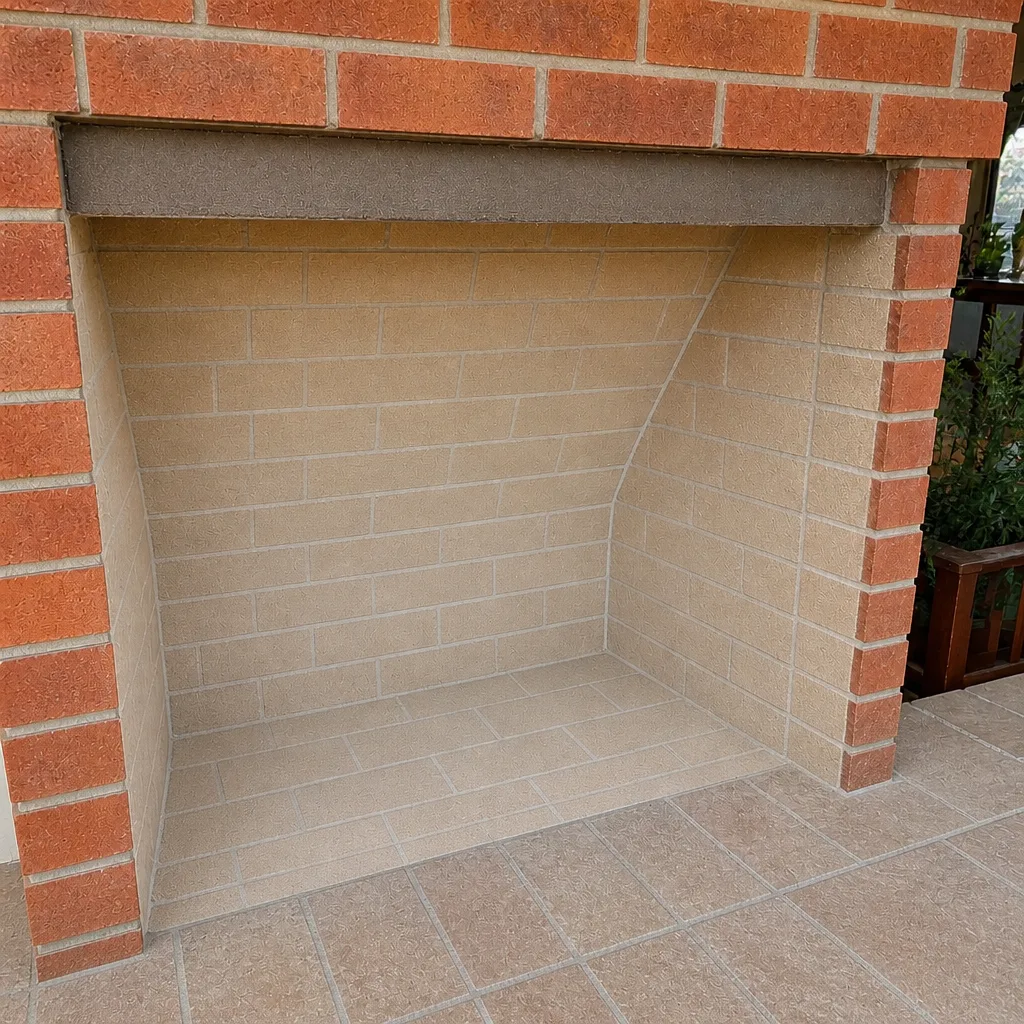
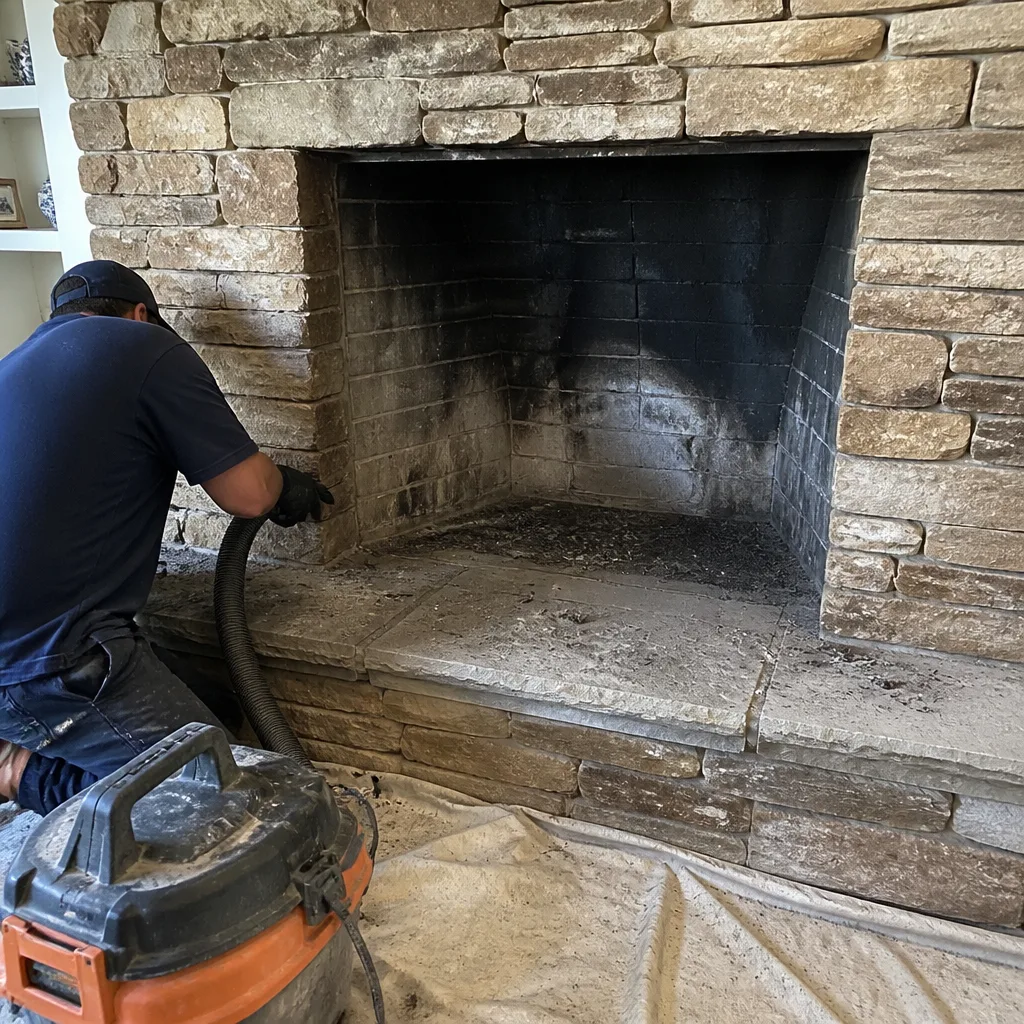
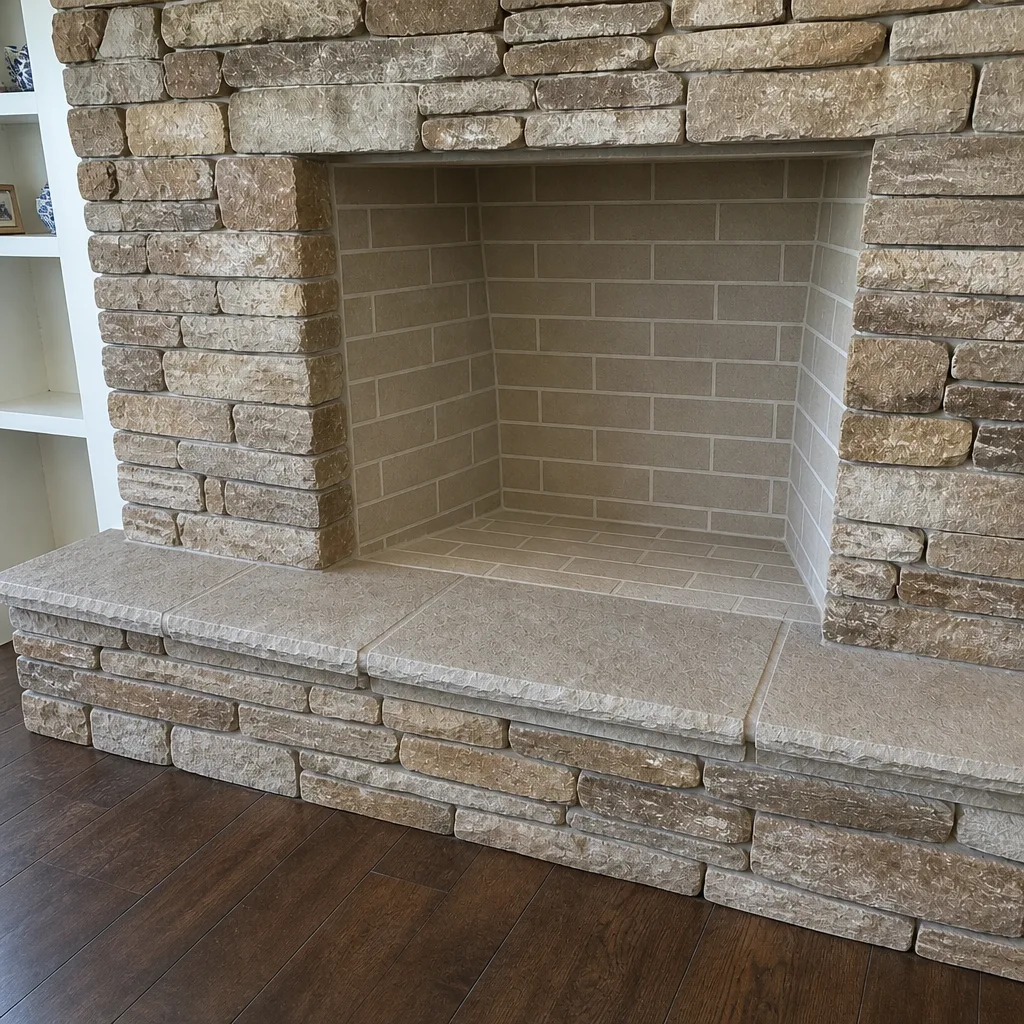
See the difference
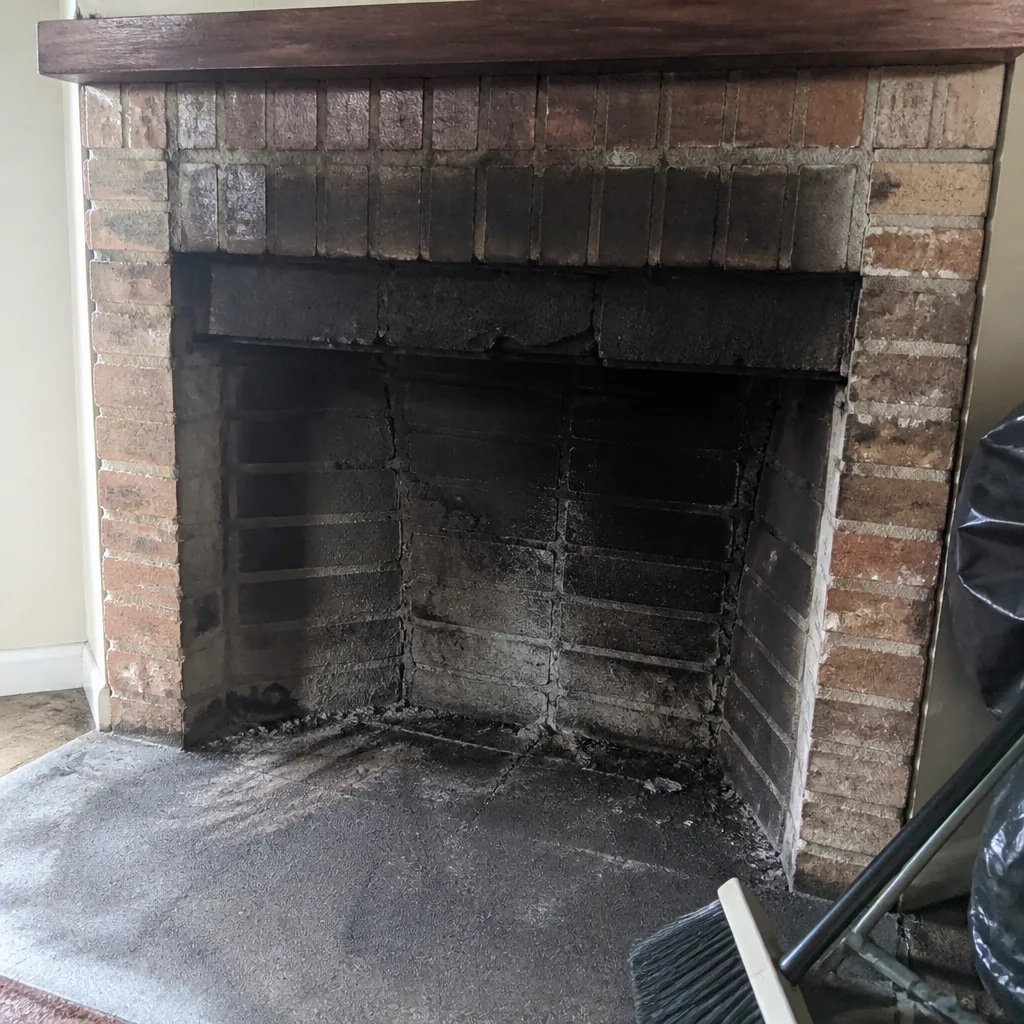 Before
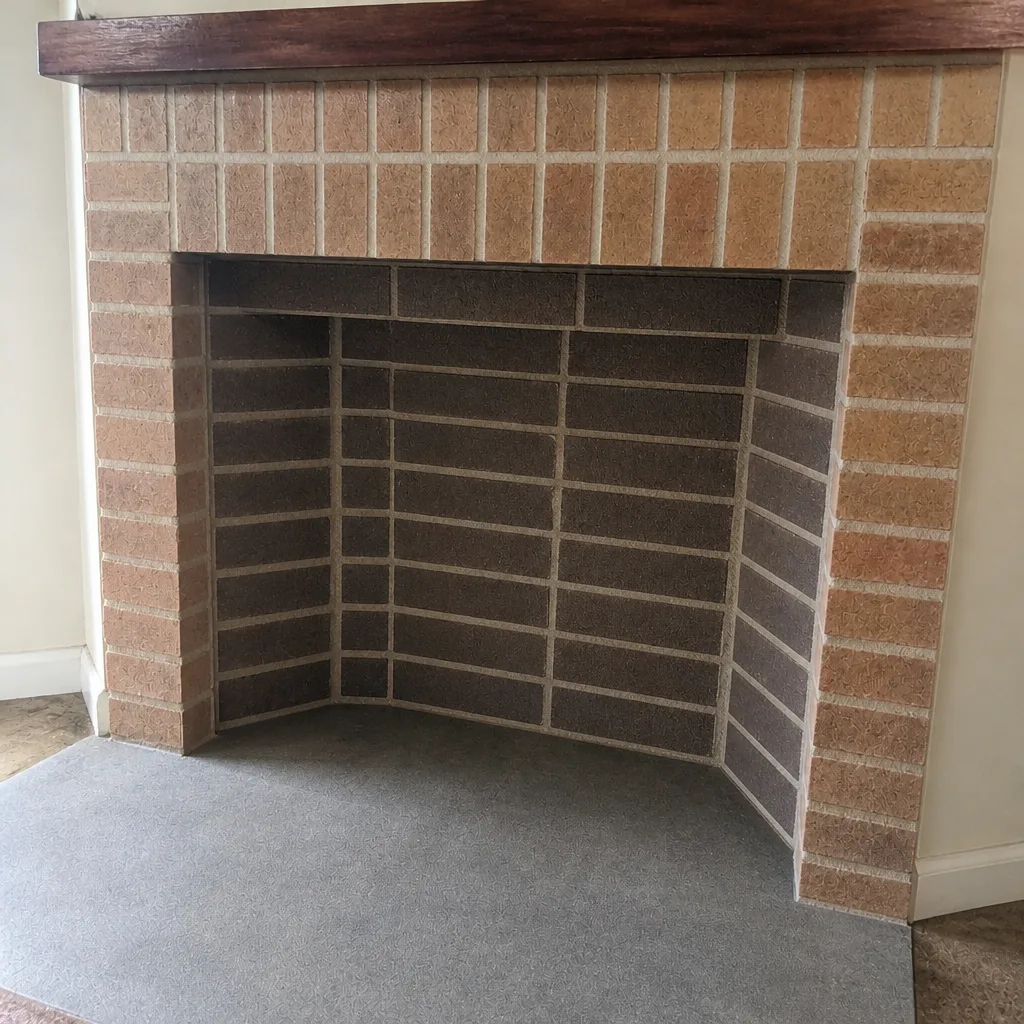 After
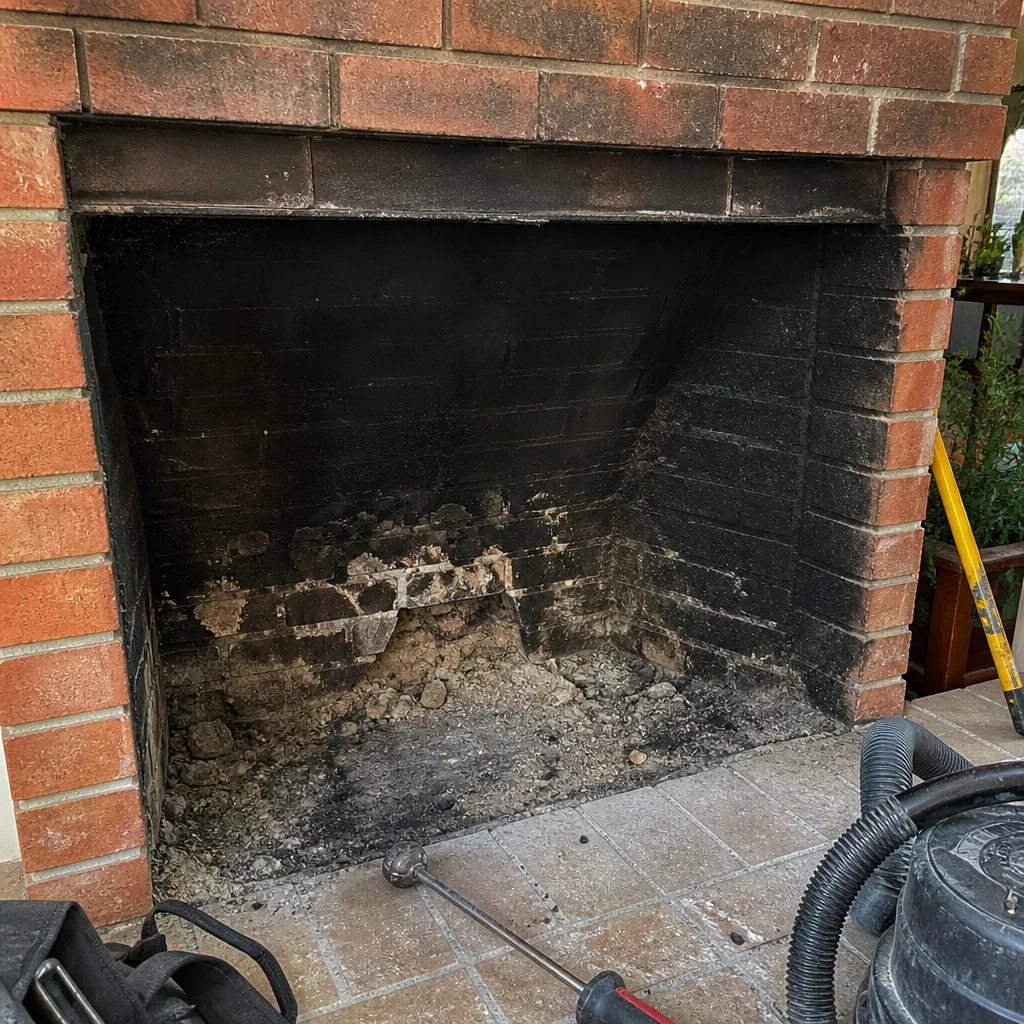 Before
 After
 Before
 After
When to Call a Professional
Call a professional when your annual cleaning is due, when you’ve had a chimney fire of any size, when you smell smoke in the house outside of burning, or when you notice cracked firebox brick, a sticking damper, or a loose cap. These are the moments where an inspection matters more than a sweep. Chimney Sweep Orange offers free estimates in Orange. Call (833) 468-2987. We answer 24/7, with fast dispatch from 7am to 7pm, Sunday through Friday. We’ll inspect first, show you the findings, and quote repairs only after you’ve seen the evidence.
Frequently Asked Questions
Once a year for most homes, and more often if you burn heavily or notice deposits building up. In Orange’s mild climate we often adjust the interval based on how much you actually burn, since a lightly used flue can hold denser deposits. Call (833) 468-2987 for an exact quote; estimates are free.
Yes, and lightly used chimneys are often the ones that need a closer look. Short, cool fires leave stickier deposits that a simple brush can miss, and dormant months let debris accumulate. A cleaning and inspection confirms what’s actually in the flue.
Yes. Gas fireplaces need annual inspection and cleaning of the venting and cap, even though they don’t produce much creosote. The inspection confirms the vent is clear and the appliance is drafting correctly. Call (833) 468-2987 to book.
A sweep cleans the flue. A full cleaning includes the firebox, damper, smoke chamber, flue, and a check of the cap and crown, followed by an inspection report. One call covers inspection through repair with us, so nothing gets handed off to a second contractor.
Yes. We work with DuraFlex, HeatShield, Gelco, Olympia Chimney, Famco, and Copperfield, and we name the brand on the estimate so you know what’s going into your chimney. That includes HeatShield resurfacing as an alternative to a full reline on structurally sound flues.
Creosote and debris build up, draft gets worse, and the risk of a chimney fire rises with the deposit thickness. In Orange, the buildup can be denser than the burn count suggests. A cleaning and inspection is how you find out where you stand before the next fire.
The Bottom Line
Chimney cleaning in Orange isn’t a checkbox you tick once a year. The mild climate and short burn season shape what kind of creosote forms, and that shapes what kind of cleaning your chimney actually needs. A full-service cleaning covers the firebox, smoke chamber, damper, flue, and cap, with an inspection that documents what was found. Gas fireplaces need the same annual attention. And the right repair, whether it’s HeatShield resurfacing or a DuraFlex liner, follows the inspection, not a phone quote. Schedule before the first fire of the season. Call (833) 468-2987. We answer 24/7, with fast dispatch from 7am to 7pm, Sunday through Friday.
Written by the team at Chimney Sweep Orange.