
Last updated November 25, 2026
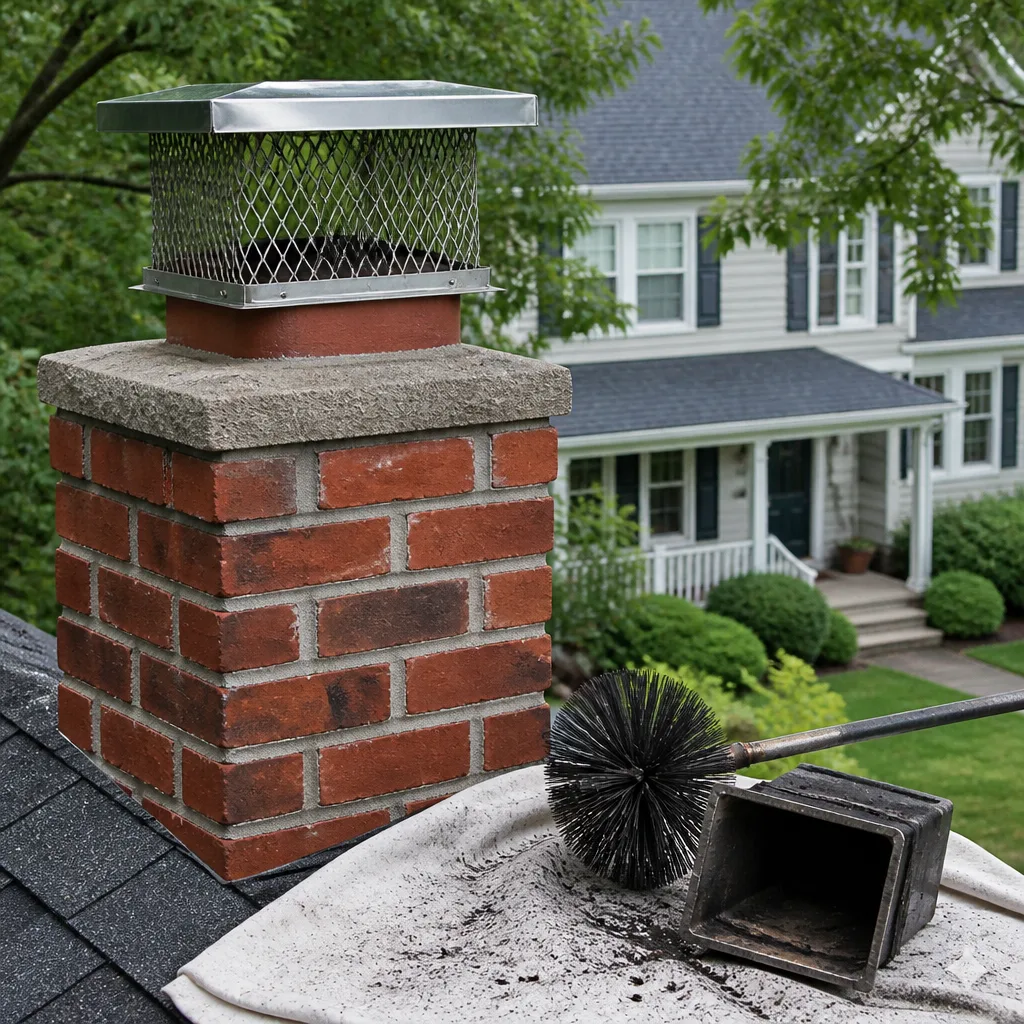 Sweep & inspection
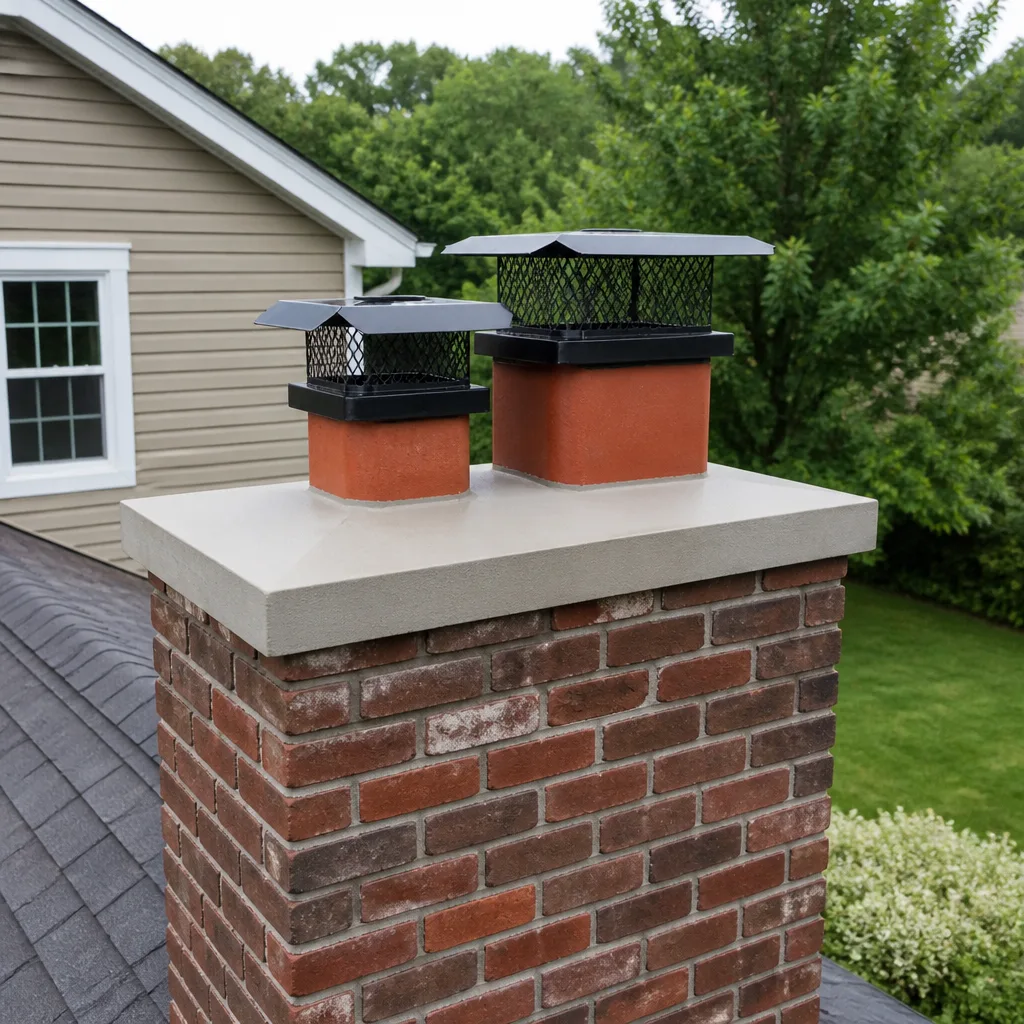 Caps & crowns
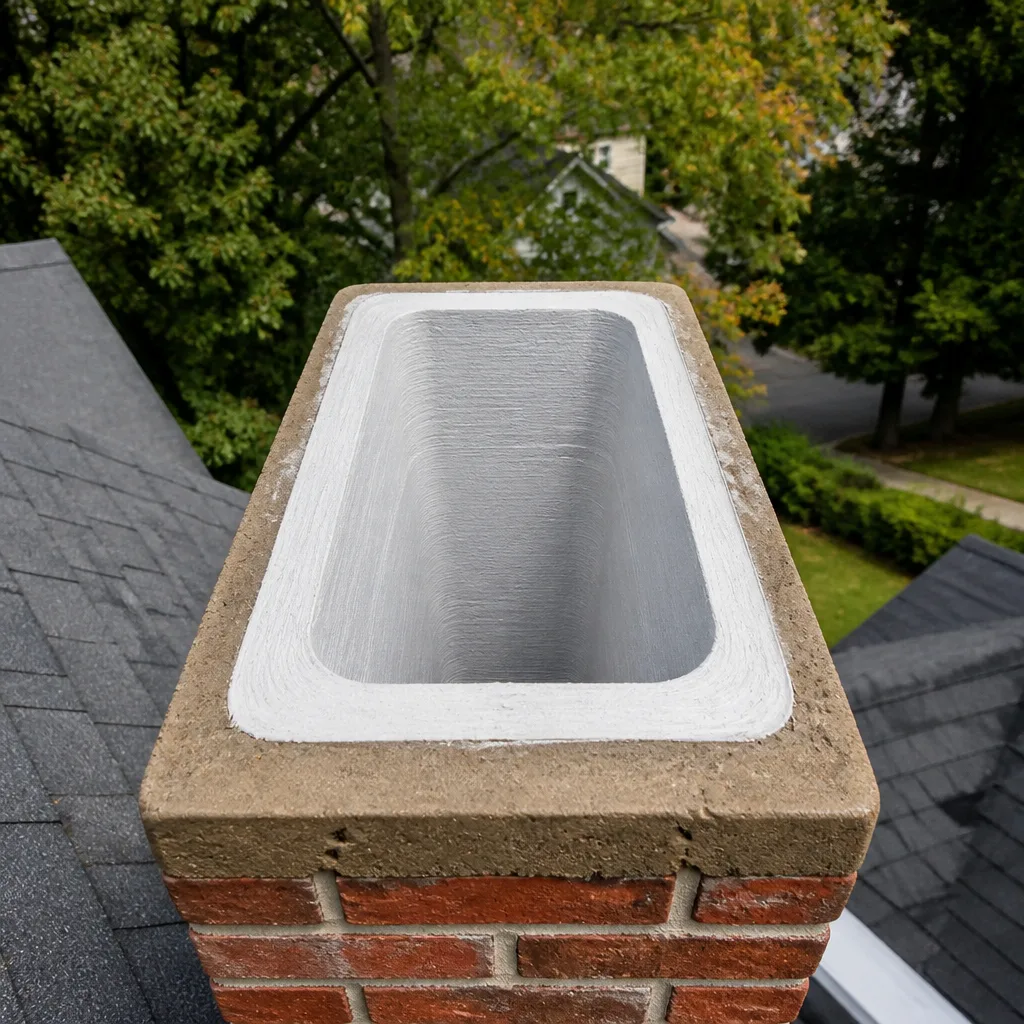 Flue relining
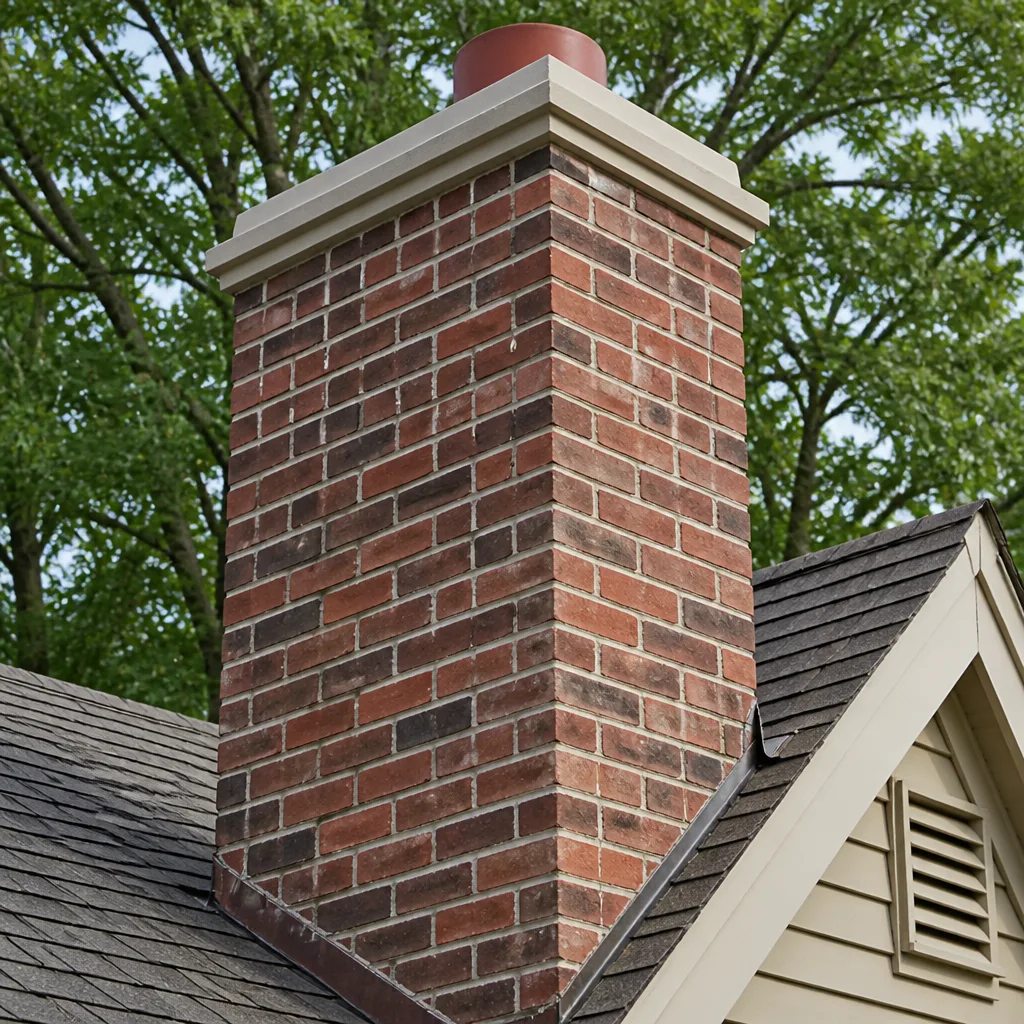 Masonry repair
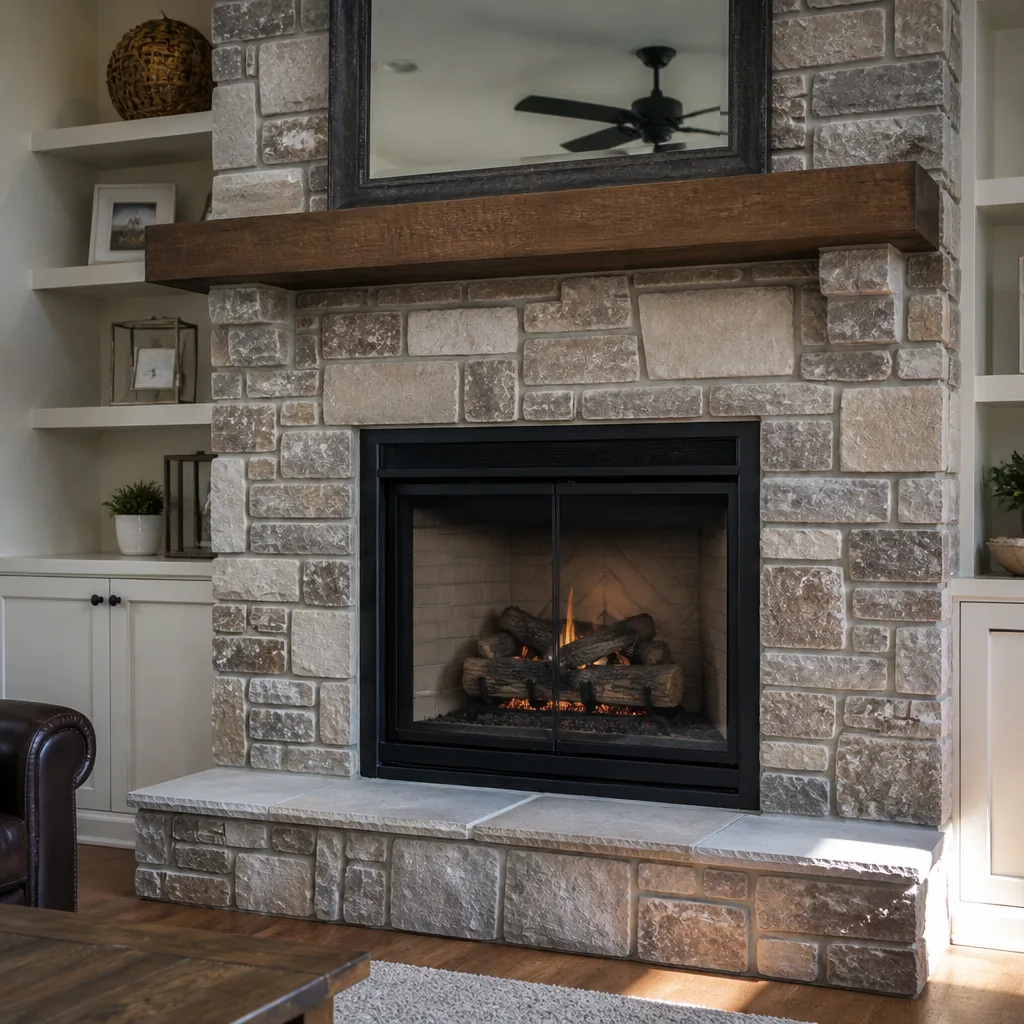 Gas fireplace service
Level 1 sweep and inspection to the NFPA 211 annual standard - flue, crown, cap, and flashing checked and photographed
Chimney sweep logs do not sweep chimneys. They loosen some creosote - which then falls where a brush and vacuum still have to collect it.
Chimney Sweep Troubleshooting in Orange: Common Problems and How to Fix Them
A smoky fireplace isn’t really a chimney problem. It’s a reporting system. The smoke is telling you something specific about your flue, your cap, or the geometry of your draft, and the mistake most homeowners make is silencing the symptom without reading it. We’ve watched people spend money on the wrong repair for years because they treated a whistle as an annoyance instead of a signal. This guide is about learning to read those signals. By the end, you’ll know how to tell a draft problem from a blockage from a combustion issue, which checks are safe for you to do, and which ones need a camera in the flue.
Quick Answer
Most chimney problems in Orange trace back to one of four causes: a blocked or dirty flue, a failing cap or crown letting water in, deteriorated mortar from months of dormancy, or a draft geometry issue that shows up as smoke rolling into the room. Some symptoms (a stuck damper, visible debris on the smoke shelf) are safe for you to check. Most are not, and the fix that lasts comes from a camera inspection that shows you the actual condition of the flue before anyone recommends a repair.
Styles & brands we work with
- Sweep & inspection
- Caps & crowns
- Flue relining
- Masonry repair
- Gas fireplace service
Table of Contents
- How to Read Smoke Behavior: Draft, Blockage, or Combustion?
- Why Orange’s Mild Climate Is Hard on Your Chimney
- What Your Chimney’s Sounds Are Telling You
- Owner-Safe Checks vs. Checks That Need a Professional
- How to Document a Chimney Problem Before You Call
- Common Repairs and What Each One Addresses
- Common Mistakes to Avoid
- When to Call a Professional
How to Read Smoke Behavior: Draft, Blockage, or Combustion?
Smoke behavior is the most reliable free diagnostic you have, and almost nobody uses it correctly. The direction, color, and timing of the smoke tell you which of three systems is failing: the draft (air moving up the flue), the blockage (something in the way), or the combustion (how the fire itself is burning). Learn to separate them and you’ll describe the problem accurately on the phone, which saves time and money on the first visit.
Draft problems look like this: the fire lights fine but smoke spills into the room when you first open the door, then settles once the flue warms up. Or the fire burns lazily no matter how much air you give it. Draft issues usually come from a flue that’s too short for the firebox, a flue that’s too large for the appliance, a nearby structure or tree creating a pressure zone over the cap, or a house that’s tighter than the chimney was designed for. Modern homes in Orange with newer windows and weatherstripping can actually starve a chimney of the makeup air it needs.
Blockage problems are more abrupt. The fire was working yesterday and today it’s backing up. Smoke rolls out steadily, not just at startup. You may smell a strong creosote or soot odor even when there’s no fire. Blockages come from nesting material, a fallen cap, a collapsed flue tile, or heavy creosote buildup near the top. A blockage is the one you don’t ignore, because it can push carbon monoxide back into the living space.
Combustion problems show up as smoke that’s dark and greasy rather than wispy and gray, a fire that smolders instead of burning, or a glass door that soots up within an evening. These usually trace back to wet wood, an oversized fire in an undersized firebox, or a damper that isn’t opening fully. Combustion problems produce creosote faster than anything else, which means they compound the blockage risk over time.
One practical note for Orange homeowners: don’t judge draft on a warm afternoon. Draft depends on the temperature difference between the flue and the outside air, so a chimney that drafts poorly on a 75-degree day may be fine on a cool morning. Test it when the outside temperature is below the indoor temperature if you want a meaningful reading.
Why Orange’s Mild Climate Is Hard on Your Chimney
You’d think a mild climate would be easy on a chimney. In our experience, it’s the opposite. Orange’s warm, dry summers mean most fireplaces sit completely unused for six or seven months at a stretch. That long dormancy is when the slow damage happens, and it’s invisible because nobody’s looking at the chimney during the months it’s not in use.
Here’s what dormancy does to each part of the system:
- Mortar joints: Mortar is porous. Through a long dry season followed by the first fall rains, moisture works into the joints and the constant wet-dry cycling gradually breaks down the binder. Soft, sandy, or receding mortar is the first sign, and it’s easiest to catch before it starts falling out of the joints entirely.
- The liner: Clay tile liners crack from thermal shock, the rapid expansion and contraction as a cold flue meets a hot fire. A flue that sat cold for seven months and then takes an immediate hot fire is more likely to crack than one used regularly. Cracks let heat, gases, and eventually water reach the structure around the flue.
- The cap and crown: These take the sun exposure year-round. The crown is the concrete surface on top of the chimney, and it develops hairline cracks from sun and thermal movement. Once cracked, water gets in and the freeze-thaw cycle that damages chimneys in colder states isn’t even needed here; simple repeated wetting is enough to spall the concrete and rust out the cap mesh.
- Wildlife: A dormant chimney is a great nesting site. Birds, squirrels, and the occasional raccoon move in during the off months, and you don’t find out until the first fire of the season backs up into the room.
The practical takeaway: the best time to inspect a chimney in Orange is before the first fire of the season, not after. It’s the difference between cleaning off a season’s accumulation and cleaning up after a problem that got to run all summer. When you’re ready to book a chimney sweep, plan it for early fall and you’ll catch the dormancy damage while it’s still a small repair.
What Your Chimney’s Sounds Are Telling You
You can learn a lot about a chimney with your ears. Different faults make different sounds, and the sound often tells you more than looking up the flue ever could. Here’s how we map the common ones:
- Popping or ticking during a fire: Almost always creosote igniting in the flue, or the flue metal expanding from heat. A single tick at startup is normal. Repeated popping mid-burn is a warning sign that creosote has built up to a level that needs sweeping.
- Dripping or a water sound after rain: A cracked crown, a failed cap, or missing flashing is letting water run down the inside of the flue. Water dripping onto the smoke shelf or into the firebox means it’s not reaching the firebox by accident, and the source is above.
- Whistling or howling: Wind crossing the top of the flue or a cap with a narrow opening. Usually a draft-pressure geometry issue, sometimes a partially collapsed cap. Harmless in small doses, but if it only started recently, the cap or crown has likely changed shape.
- Rattling or scraping in the flue: Loose flue tiles, a fallen chunk of mortar, or an animal. Anything rattling inside the flue is a call-the-professional sound, not a wait-and-see sound.
- A dull thud when you tap the chimney breast: Loose or hollow masonry behind the face. This one’s worth flagging early because it points to a structural issue rather than a cleaning issue.
What you shouldn’t do with these sounds is chase them yourself. A whistle that starts after a storm might be a chunk of the crown sitting loose on top of the flue, and climbing up to check it is exactly the kind of height work that sends people to the hospital every year. Note the sound, note when it happens (during a fire, after rain, only in wind), and bring that to the technician. That single detail often saves a whole diagnostic step.
Owner-Safe Checks vs. Checks That Need a Professional
There are a handful of checks a homeowner can do safely that will make a technician’s first visit faster and more accurate. There are also several checks that look harmless and aren’t. Here’s the line.
Safe for you to do:
- Open and close the damper. Make sure it moves freely and that the plate actually opens fully. A damper stuck partway open is a common cause of a smoky fire.
- Shine a flashlight up the flue from the firebox. You’re only looking at what’s immediately visible, and you’re looking for obvious debris on the smoke shelf, a hanging damper, or a visible crack in the first few feet of tile. Don’t reach a tool up the flue.
- Clear the firebox and smoke shelf of ash and visible debris. A shop vac with a fine-particulate filter works, but empty it outdoors because ash holds heat for hours.
- Check the cap from the ground with binoculars. Look for missing mesh, a bent or rusted cap, or a cracked crown. Don’t climb.
- Note what the smoke, sounds, and smell are doing. This is the most valuable check you can do.
Needs a professional:
- Cleaning the flue above the first few feet. A sweep uses rods and brushes sized to the flue, and a homeowner using wire brushes can crack tile and is at risk from falling soot.
- Checking for a damaged or cracked liner. You can’t see the whole flue with a flashlight, and a hairline crack in a tile is enough to let heat reach the structure. This needs a camera.
- Removing a bird nest or animal from the flue. Nests can be sitting directly above an open flue, and pulling one down from below risks a face full of soot and whatever else the animal brought in.
- Anything on the roof. The cap, crown, and top of the flue are all accessed from height. Even on a low roof, this is trained-professional work.
- Investigating a masonry issue. A loose brick, cracked crown, or wandering mortar joint needs to be assessed as part of the whole chimney, not patched from the ground.
That last point matters most. A chimney is a system, not a pipe. A crack in the crown lets water into the flue. Water in the flue weakens the mortar and eventually the liner. A weakened liner lets the next hot fire damage the structure behind it. Each apparent fault is often just the visible end of a problem that started somewhere else. That’s why we diagnose first, and why the camera inspection is the foundation of every job rather than an upsell.
How to Document a Chimney Problem Before You Call
The single most useful thing you can do before calling a chimney professional is write down what you’re actually observing, in plain terms, without guessing at the cause. A technician can triage accurately from a good description and wastes no time on the phone trying to reconstruct it.
Here’s a checklist we use to triage over the phone:
- When does the symptom happen? Only at first light-up, or throughout the burn, or only after rain, or only on windy days. Each points to a different system.
- What does the smoke do? Rolls out the top of the opening, rolls out the bottom, blows back into the room when you open the door, or burns cleanly out the flue. “Rolls out the bottom” and “rolls out the top” are different problems.
- What does it smell like? Sharp creosote, musty water, a burnt smell with no fire, or an animal smell. Each points to a likely cause.
- What does it sound like? Use the sound list above. Popping, dripping, whistling, rattling.
- When was it last swept? If you can’t remember, that’s the answer: it’s overdue. Most wood-burning flues want a sweep once a year of regular use, and a dormant flue that only sees a dozen fires a year can usually go longer, but the annual inspection is what tells you which.
- When was the last inspection? A cleaning is not an inspection, and an inspection is not a cleaning. A camera inspection shows you what’s actually going on inside the flue, and it’s what separates a symptom from a root cause.
- Any recent storm, roof work, or chimney-adjacent work? A chimney cap knocked loose in a wind storm can look exactly like a draft problem.
Take a photo of the firebox and the smoke shelf with your phone flashlight if you’re comfortable doing it, and take a photo of the cap from the ground with zoom. Those two images alone will help a technician tell you whether you’re looking at a cleaning, an inspection, or a repair before they arrive. Describe what you see, not what you think is wrong. “Smoke rolls out the top when I first light it” is more useful than “I think my flue is blocked.”
Common Repairs and What Each One Addresses
Once the camera inspection tells us what’s actually wrong, the repair options range from a straightforward sweep to a full reline. Here’s a plain description of the common fixes and what problem each one solves.
A standard sweep removes soot and creosote from a flue that’s structurally sound. It’s the fix for a dirty flue that’s smoking or not drafting well, and it’s the annual maintenance that keeps the other problems from developing.
HeatShield resurfacing is a proprietary system for restoring a damaged flue without a full reliner replacement. It’s the fix for a flue with deteriorated but structurally sound tile, and it’s an option a sweep-only crew can’t offer. We use HeatShield because it lets us restore the flue lining in place, which is often a better fit than a full reline for a chimney that’s still sound at the structure.
DuraFlex flexible liner installation is the fix when the original flue is too damaged, too large, or geometrically too awkward for a rigid liner. DuraFlex is designed for the real-world offsets, bends, and sizes that show up in residential chimneys. We install DuraFlex liners for relining work because it handles the configurations where rigid liners genuinely can’t go.
fireplace repair covers the firebox side: a cracked firebox, a damaged damper, a rusted damper frame, or a firebox that’s leaking smoke into the room. It’s the fix when the smoke symptom comes from the appliance itself rather than the flue.
cap and crown installation is the protective layer on top, and it’s the fix that protects every other repair on the list. The cap keeps water, animals, and sparks out of the flue. The crown is the concrete surface the cap sits on, and a cracked crown is the number-one route for water to get into a chimney. We use quality cap components including Olympia Chimney and Gelco products because a cheap cap is the reason people end up calling us twice.
Masonry and structural chimney repair covers the brick and mortar work: re-pointing mortar joints, repairing spalled brick, and rebuilding a crown that’s beyond a sealant patch. This is where the winter dormancy damage tends to show up, and it’s the repair that extends a chimney’s life more than any other.
For a system-wide assessment and the full repair scope, our Chimney Sweep Orange team walks through all five service areas as one system rather than as separate jobs.
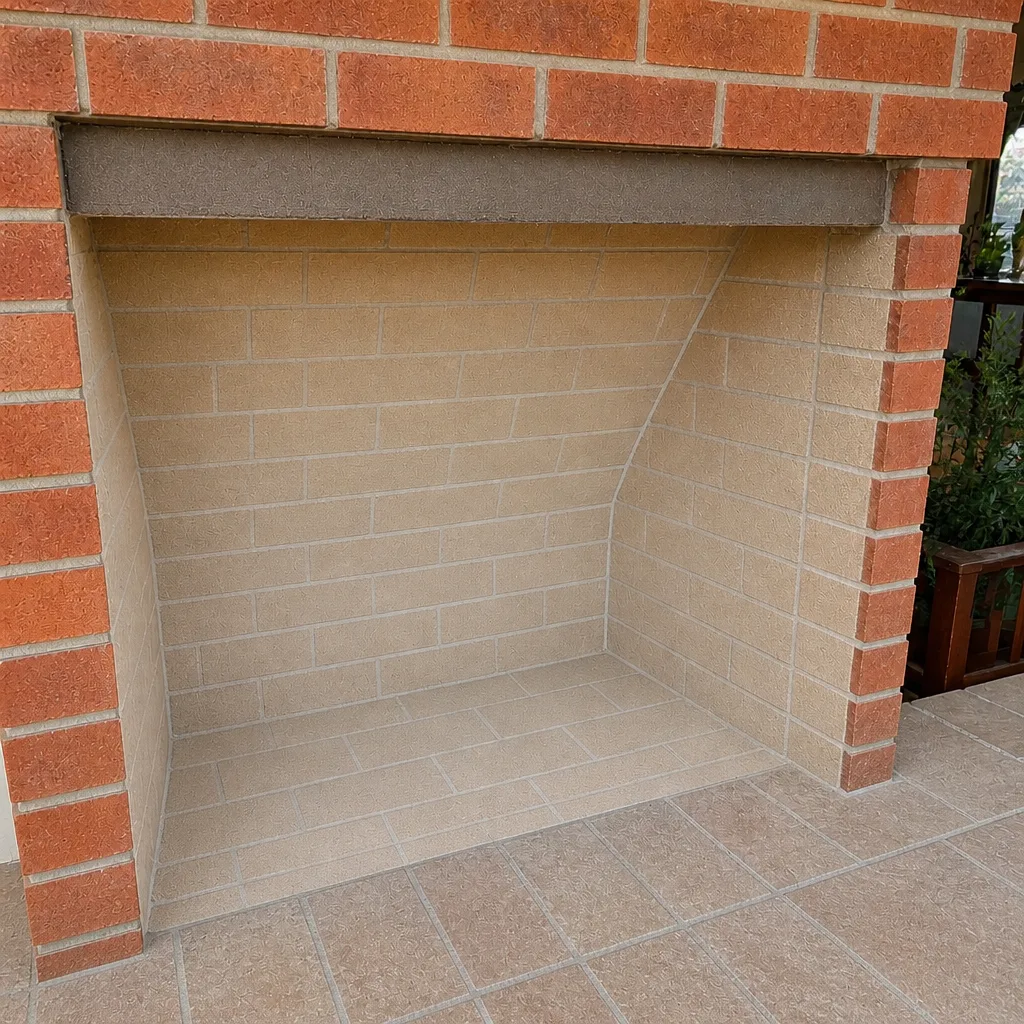
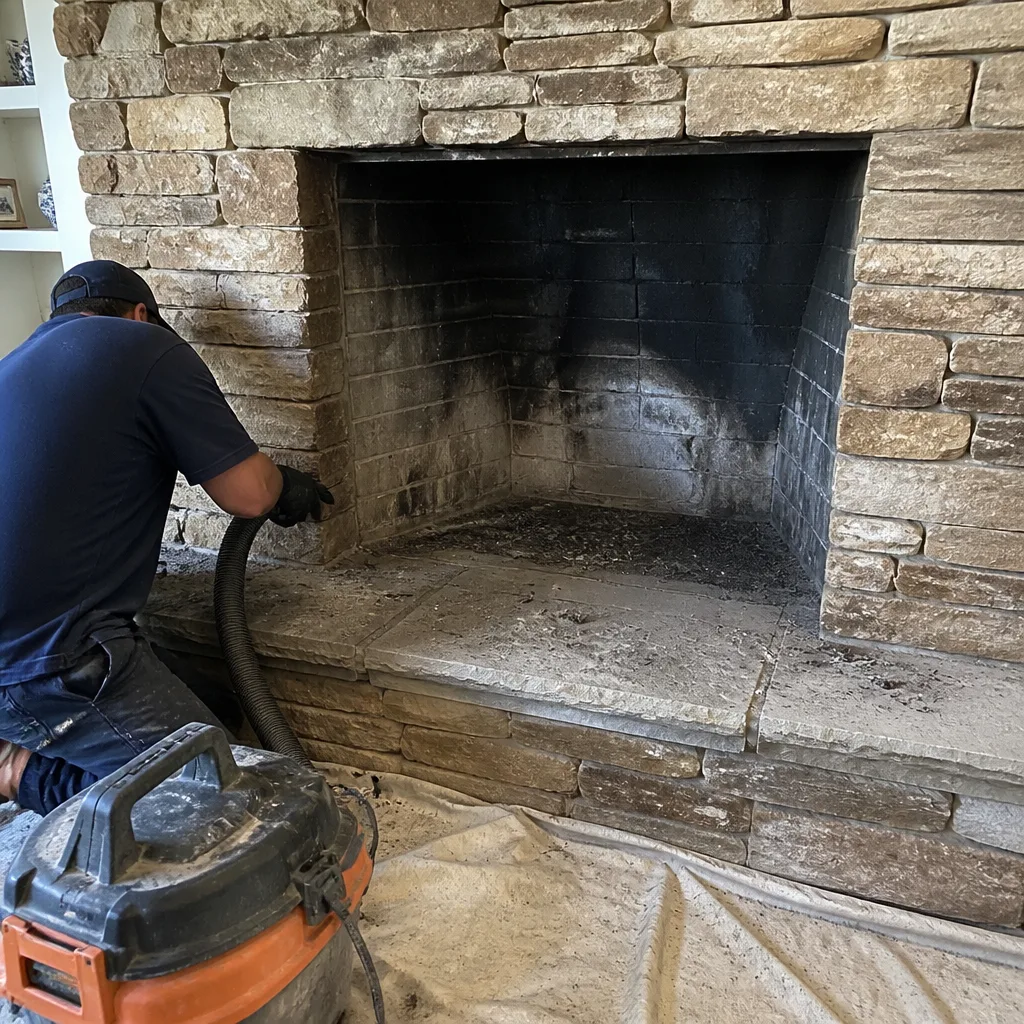
See the difference
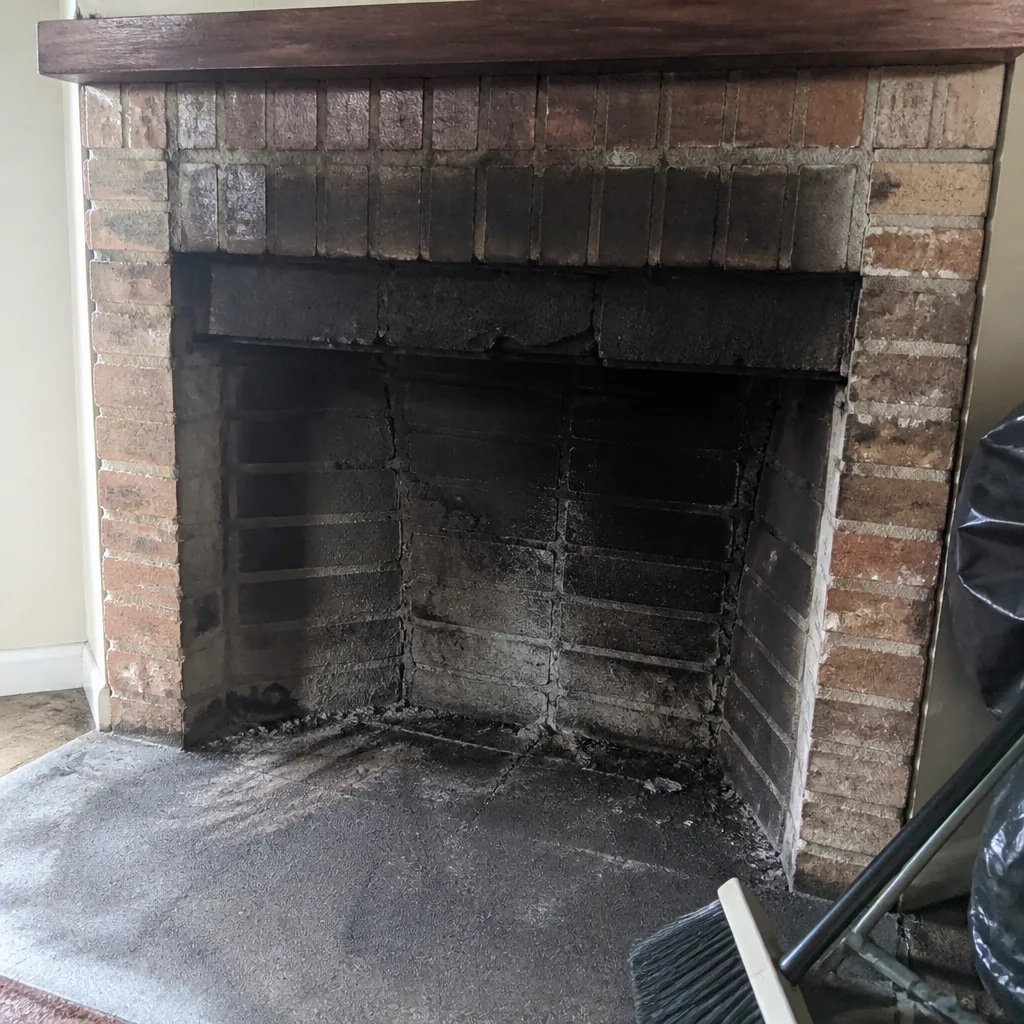 Before
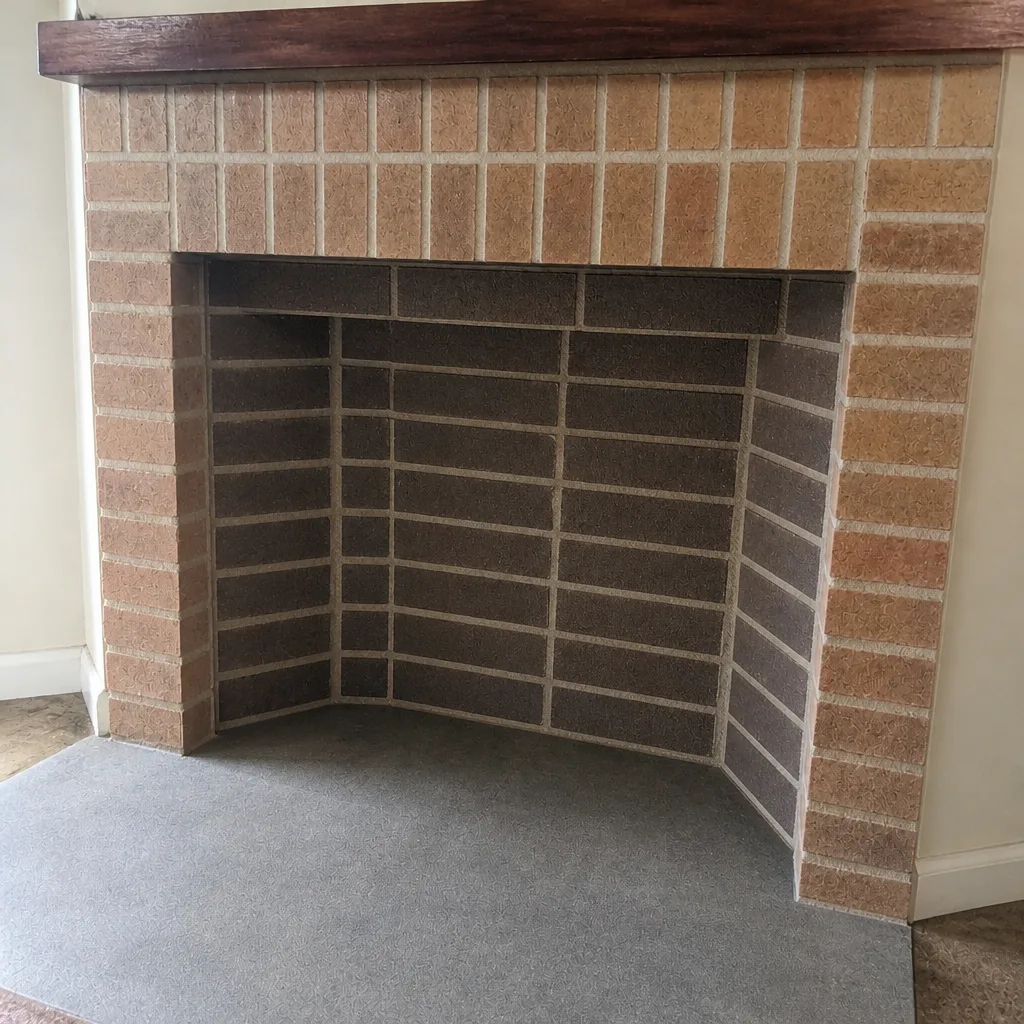 After
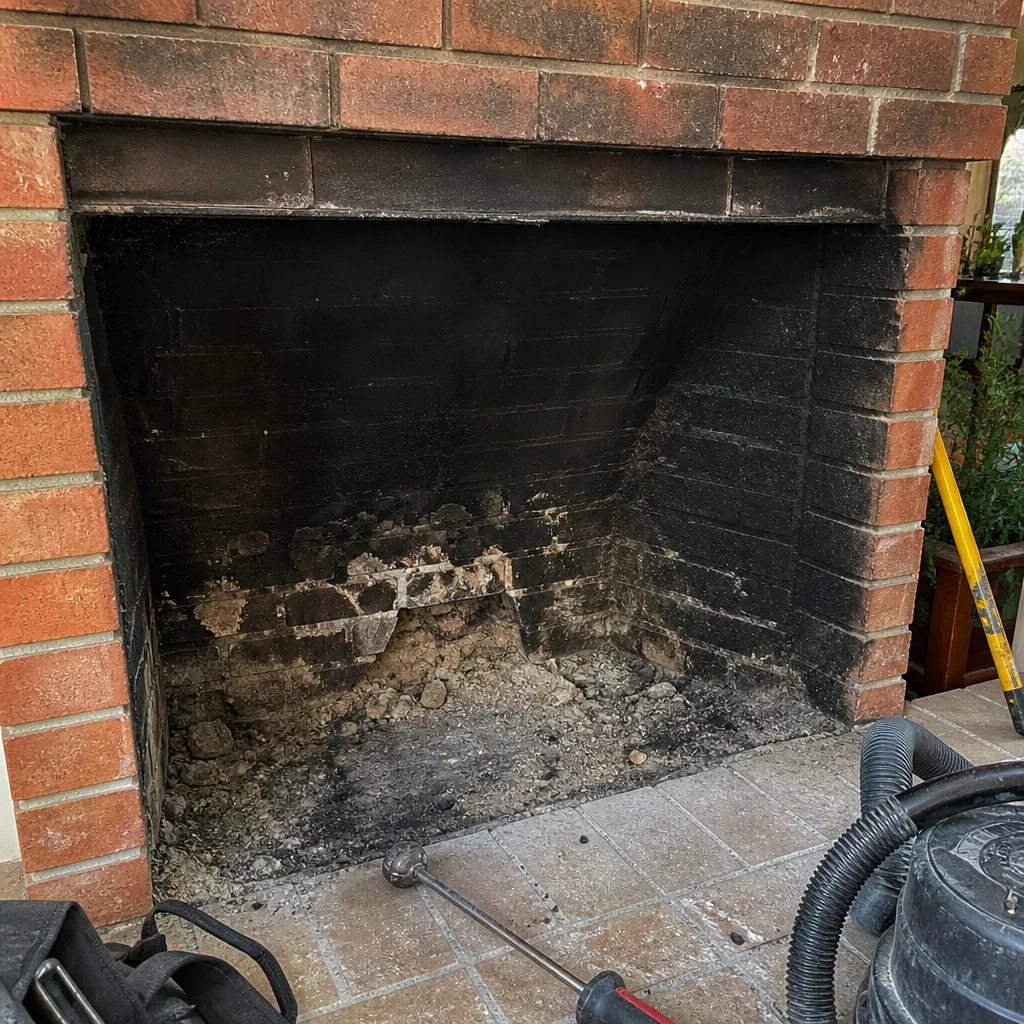 Before
 After
 Before
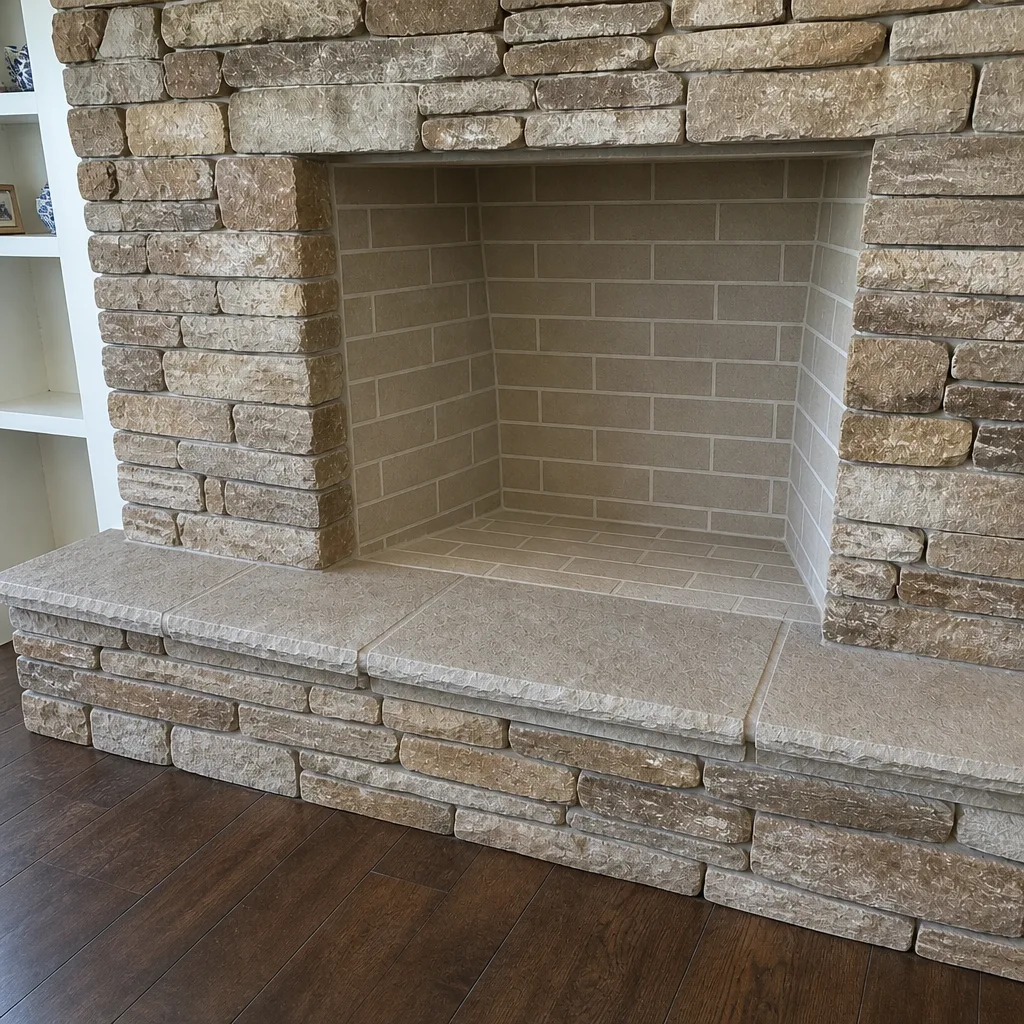 After
Common Mistakes to Avoid
- Lighting a fire to “test” if the chimney is blocked. A blocked flue is a carbon monoxide risk, and the test involves filling your living space with exhaust. Note the symptoms, don’t test them with a fire.
- Treating a smoky fireplace as a wood-quality problem. Wet wood makes smoke worse, but if the same wood worked last year, the change is in the chimney, not the wood. Confirm the wood is dry and then move on to the flue.
- Ignoring the cap because it’s out of sight. A missing or rusted cap is the most common entry point for water, animals, and debris, and it’s the cheapest thing on the chimney to protect. Check it from the ground once a year with binoculars.
- Skipping the inspection because the chimney “looks fine” from the ground. The inside of a flue is invisible from below, and a hairline crack in the tile doesn’t show up in a photo from the yard. A camera inspection sees what you can’t.
- Patching a cracked crown with a tube of sealant every fall. A patch holds until the next rain and hides the fact that the crown is failing. If you’re patching it annually, it’s a rebuild.
- Going a whole year without using the fireplace and calling that “no problems.” A dormant flue is when mortar, liner, and cap damage happen quietly. In Orange, where the fireplace sits idle most of the year, an unused chimney needs an inspection more than a heavily used one.
- Booking a sweep with a crew that can’t also inspect or repair. If the sweep finds a cracked liner, the sweep-only crew leaves and you start over with a second company. We diagnose first and repair in the same visit so nothing gets handed off.
When to Call a Professional
Call a chimney professional if the fireplace rolls smoke into the room steadily rather than just at startup, if you smell a strong creosote odor when there’s no fire, if you hear rattling inside the flue, if you see water staining or spalling brick on the chimney exterior, or if the cap is missing or visibly damaged. Call sooner if you see birds or animals going in and out, or if you’ve had a chimney fire of any size, even a small one you put out yourself. Our technicians have up to 14 years of experience, and we can tell from a description whether you’re looking at a cleaning or a repair.
Chimney Sweep Orange offers free estimates in Orange. Call (833) 468-2987. We answer 24/7. Fast dispatch from 7am to 7pm, Sunday through Friday. Nothing gets recommended without camera evidence you can view for yourself, and we’ll tell you plainly when a repair can safely wait until the next season. The written estimate sets the final price on the work before anything is booked.
Frequently Asked Questions
A standard chimney sweep in Orange typically runs in the range of a routine maintenance visit, with the exact price set by the written estimate after we’ve seen the flue. The estimate is free, and it’s agreed before the sweep is booked. A sweep plus inspection costs a little more than a sweep alone because the inspection adds the camera work. Call (833) 468-2987 for a free estimate.
A sweep fixes a dirty flue; it doesn’t fix a damaged one. A damaged liner is only confirmed with a camera inspection, and nothing gets recommended until you’ve seen the footage. HeatShield resurfacing is often the fix when the flue is deteriorated but structurally sound; a full DuraFlex reline is only needed when the original flue can’t be restored. Call (833) 468-2987 and we’ll tell you which applies to your flue.
A wood-burning flue that sees regular use wants a sweep once a year. In Orange, where many fireplaces sit unused for months, the annual inspection matters more than the annual sweep, because the dormant season is when the quiet damage happens. Even a fireplace you only use a dozen times a year should be inspected yearly. Call (833) 468-2987 to get on the schedule before the first fire of the season.
Most skipped inspections don’t end in a dramatic chimney fire; they end in a small problem that became a large repair. A cracked crown lets water into the flue, water weakens the mortar, and the weakened mortar is what eventually takes out the liner. Skipping a year is often survivable; skipping several is where the liner and masonry bills come from. Call (833) 468-2987 for a free estimate before the next burn season.
You can clear the firebox and smoke shelf safely, and you can check the damper and shine a light up the first few feet of the flue. You shouldn’t rod a brush up the full flue, remove a nest, or get on the roof. The risk in a proper flue cleaning is damaged tile, soot exposure, and the roof access itself. Call (833) 468-2987 and we’ll handle the sweep and the inspection in one visit.
A sweep removes soot and creosote; an inspection looks at the flue’s condition with a camera and reports what it finds. Both matter, and they’re separate jobs. When we quote a chimney service visit we quote the sweep and the inspection together, because a cleaning without an inspection is a cleaning that might miss a crack you can’t feel. Call (833) 468-2987 for a free estimate.
The Bottom Line
Your chimney is a reporting system, and every symptom on it, from smoke behavior to the sounds it makes on a cold morning, points to a specific part of the system. Reading those signals correctly is what turns a repair into a small fix instead of a large one. In Orange’s mild climate, the dormancy months are when most of the damage happens, so the annual inspection before the first fire is the single most valuable habit you can build. Our technicians have up to 14 years of experience, and we work with the same brands the trade relies on: HeatShield, DuraFlex, Olympia Chimney, Gelco, Famco, and Copperfield. Our five services cover the whole system, from the first sweep through the final cap. Call (833) 468-2987 for a free estimate, and let’s find out what your chimney is actually telling you.
Written by the team at Chimney Sweep Orange.