
Last updated November 25, 2026
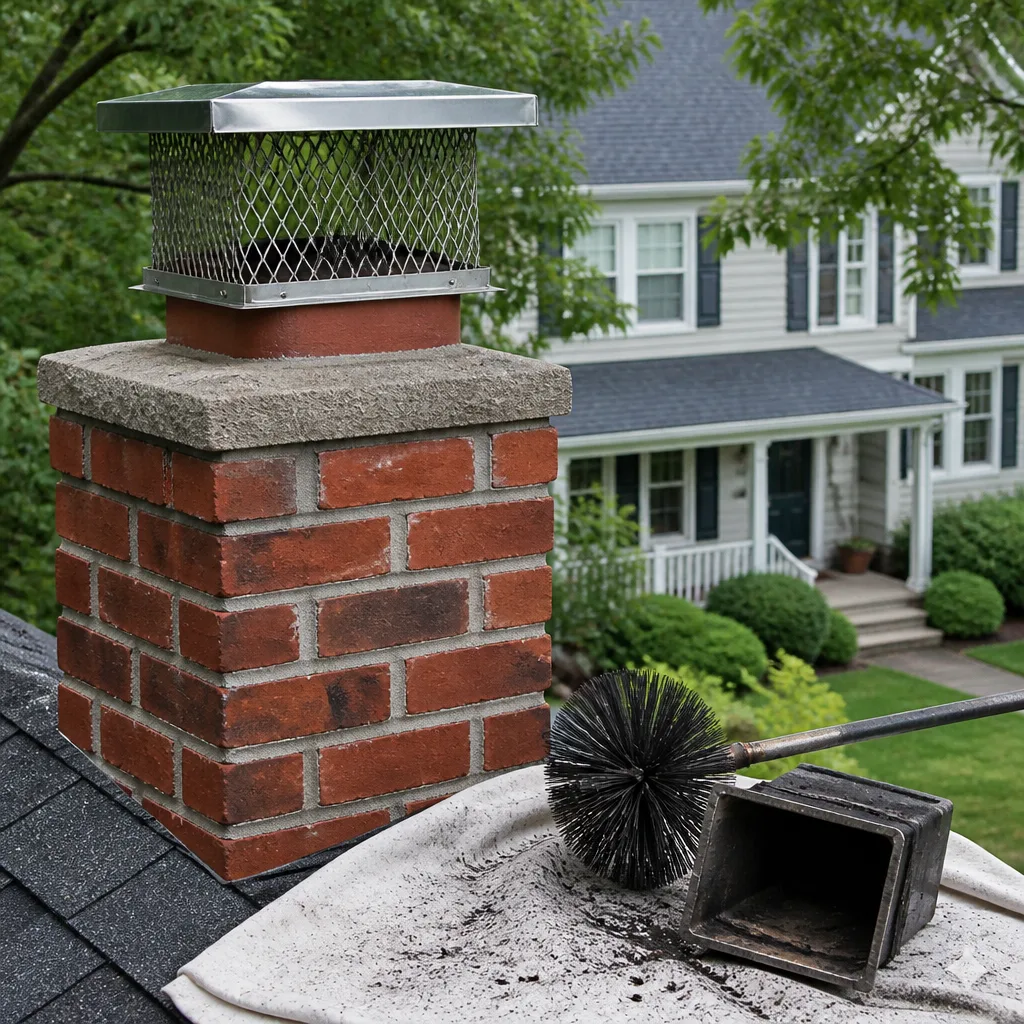 Sweep & inspection
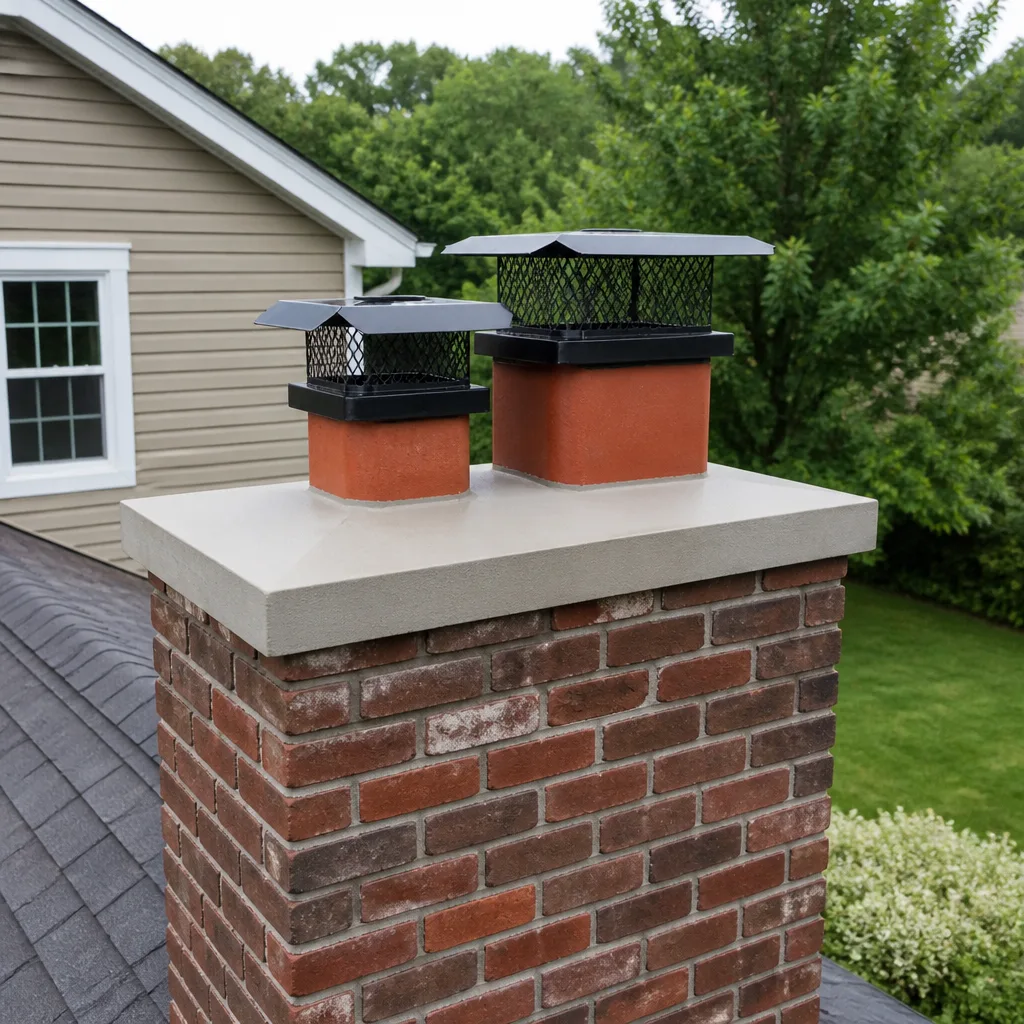 Caps & crowns
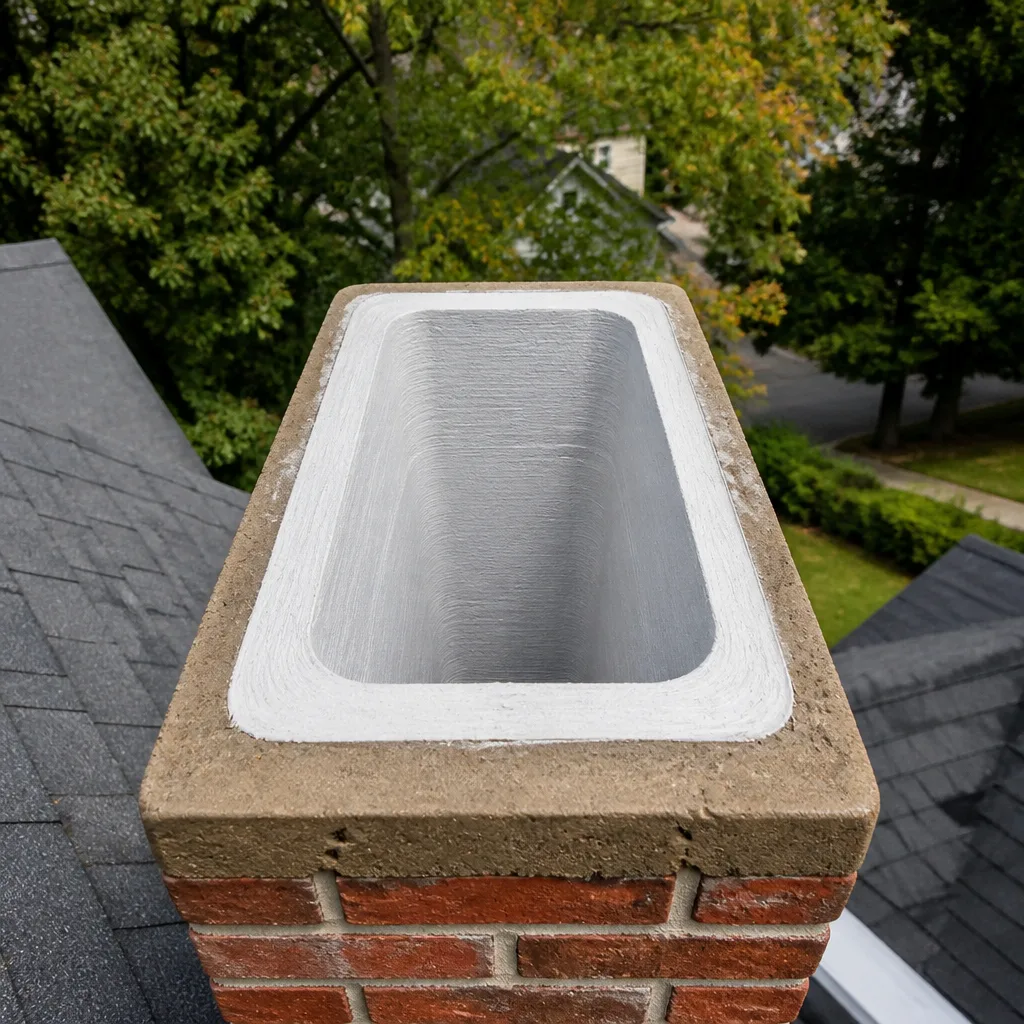 Flue relining
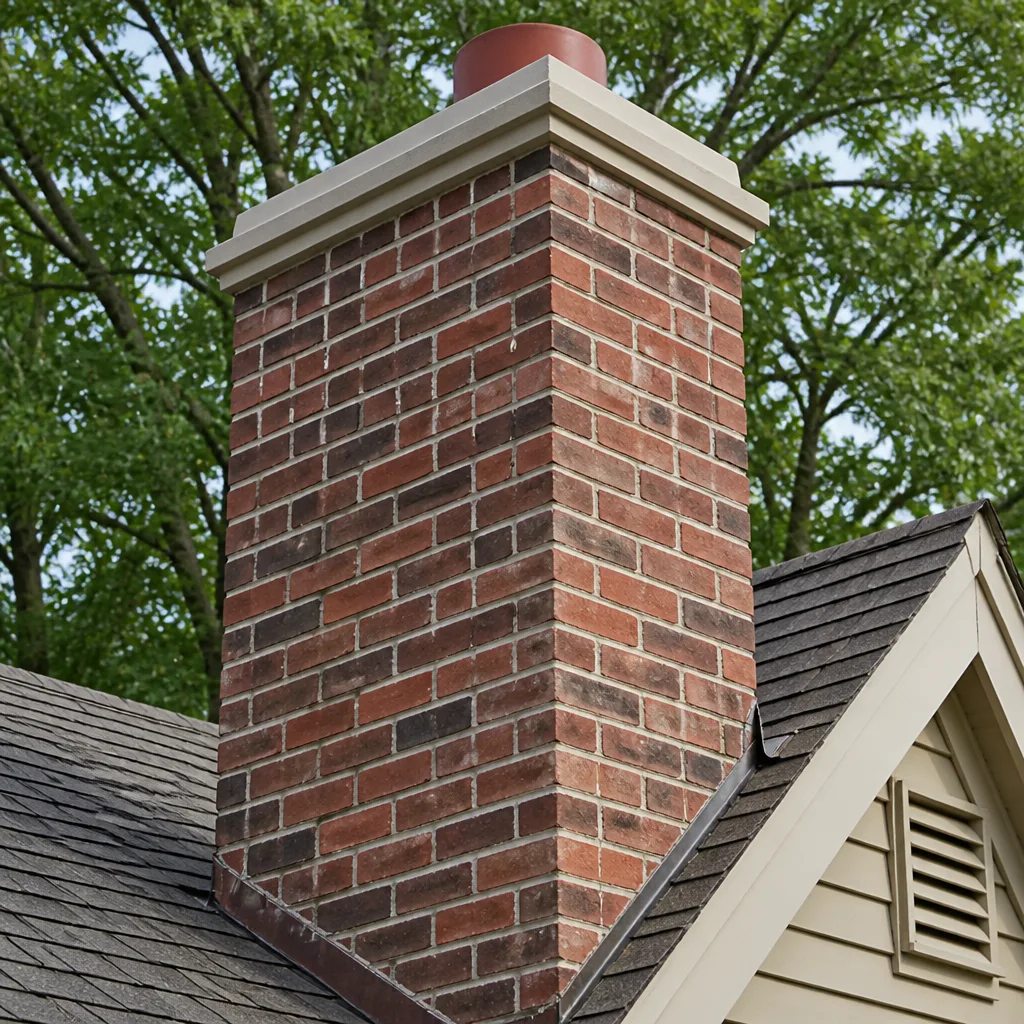 Masonry repair
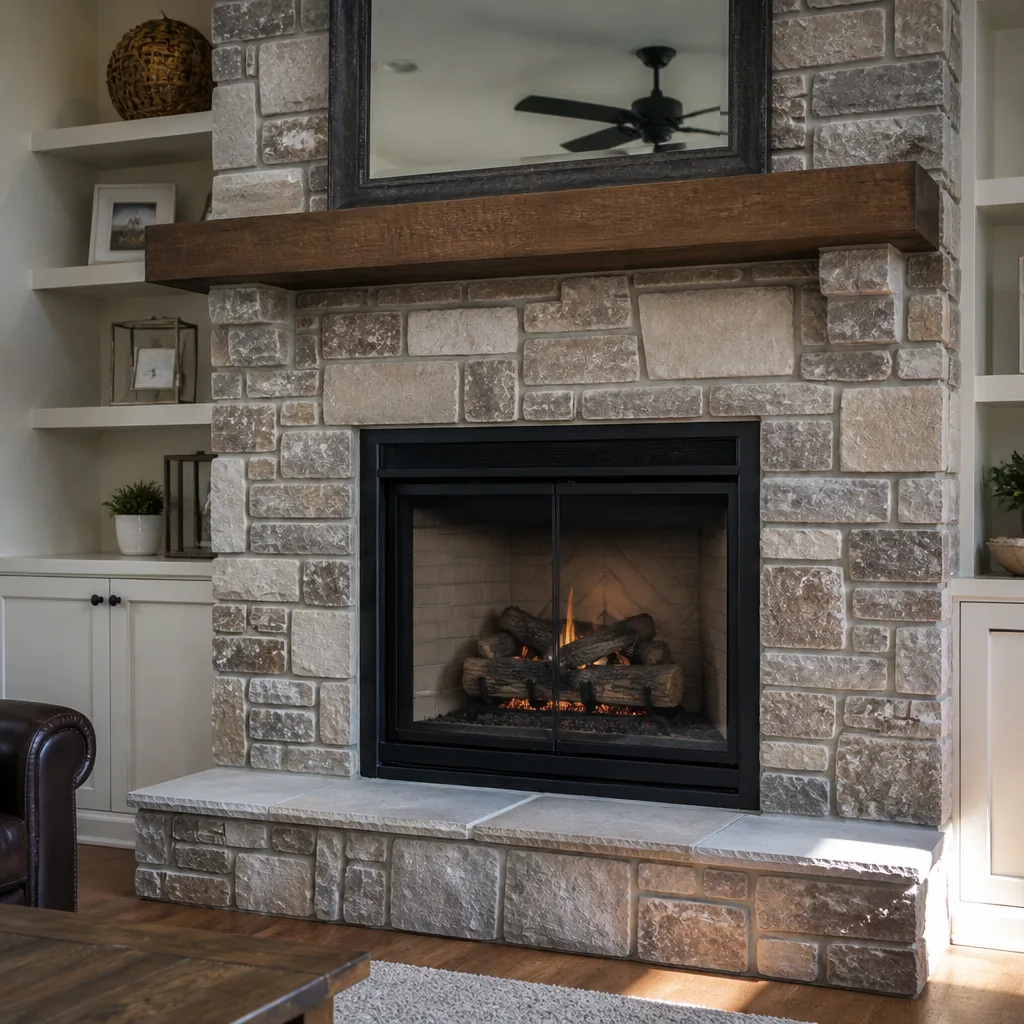 Gas fireplace service
Level 1 sweep and inspection to the NFPA 211 annual standard - flue, crown, cap, and flashing checked and photographed
Chimney sweep logs do not sweep chimneys. They loosen some creosote - which then falls where a brush and vacuum still have to collect it.
Chimney Sweep Maintenance Checklist for Orange Homeowners
The most expensive chimney repair calls in Orange don’t come after heavy use. They come after a chimney sat unused through summer and fall while small problems compounded behind a damper nobody opened. Water gets in through a hairline crown crack, a bird builds a nest on top of the flue, creosote from last winter hardens into a glaze, and by the time the first fire is lit, several cheap fixes have become one costly one. Most homeowners follow a cold-climate checklist that doesn’t match how chimneys actually fail in Southern California. This guide sequences the work by what degrades first here: moisture during the rainy season, debris during the dry dormant stretch, and wind damage during Santa Ana season.
Quick Answer
A chimney maintenance checklist for Orange runs on three seasonal anchors: a thorough inspection and sweep before burn season, a visual check of the crown, flashing and cap after the first fall rain and again after Santa Ana winds, and a yearly internal flue check to catch creosote and moisture damage early. Homeowners can safely handle damper tests, cap and crown visual checks, and clearing creosote from the firebox door area; anything involving the flue interior, the liner, the crown repair, or a roofline inspection requires a trained technician.
Styles & brands we work with
- Sweep & inspection
- Caps & crowns
- Flue relining
- Masonry repair
- Gas fireplace service
Table of Contents
- Why Orange Chimneys Need Their Own Checklist
- The Month-by-Month Maintenance Calendar
- Exterior Checks After Santa Ana Winds and Fall Rain
- Testing the Damper Before Your First Fire
- DIY Visual Checks vs. Professional Work
- Documentation that Matters for Insurance and Disclosure
- Common Mistakes to Avoid
- When to Call a Professional
Why Orange Chimneys Need Their Own Checklist
A maintenance guide written in Ohio or New England is built around the freeze-thaw cycle and months of continuous burning. Neither applies here. Orange winters are mild. The rain arrives in a concentrated stretch, and then it doesn’t rain for months. The burn season is shorter. That pattern changes which parts of the chimney fail first.
Here are the failure points we see most often in Orange:
- Moisture intrusion through the crown and flashing. A crown is designed to shed water off the top of the stack. A hairline crack lets water run down the outside of the flue tile, into the masonry, and into the attic framing. By the time a homeowner sees staining on a ceiling, the damage started years earlier.
- Dormant-period debris. A cap that’s missing or damaged lets birds, squirrels, and blown debris into the flue during the six to nine months the fireplace sits idle. A nest that a bird builds in spring is a blocked flue by October.
- Glazed creosote. Cooler, shorter burns during mild weather can generate more creosote than hot, continuous fire. A short burn season with a damp chimney from fall rain is a recipe for third-degree creosote, which is flammable and can’t be brushed off.
- Wind-driven debris and structural stress. Santa Ana wind events can crack a crown, displace a flashing channel, or loosen a cap. Those problems are invisible from the ground and need a close look.
None of these fail on a schedule a chimney sweep in a colder market would recognize. They fail on Orange’s schedule. That’s why we build the checklist here around the three seasons the homeowner actually experiences: the dry dormant stretch (roughly June through September), the fall rain and Santa Ana window (October through November), and the burn season (December through March).
The Month-by-Month Maintenance Calendar
This calendar is a guide, not a rulebook. Weather shifts and a homeowner’s burning habits vary. But this is the sequence that catches problems in Orange before they compound.
Late Spring (May – June): Post-Season Closeout
After the last fire of the season, do this:
- Remove ash from the firebox and close the damper. Blockages like a stuck damper are more likely to be discovered now than in October.
- Look up the flue with a flashlight. Any visible creosote buildup, animal debris, or daylight where there shouldn’t be any is a call to a technician.
- Confirm the cap is in place and secure. A missing cap is the single most common cause of summer animal entry.
- Book a professional inspection and sweep for late summer or early fall, before burn season appointments fill up.
Summer (July – August): Dormant-Period Inspection
This is the quiet period and the best time for the annual interior inspection. A professional sweep can look at the flue interior with a camera, check the crown and cap, look for damage from winter burning, and clean the flue so it’s ready for the coming season. For a homeowner comparing services, a chimney sweep in this window is the least disruptive.
Early Fall (September – October): Pre-Season Prep and First Rain Check
After the first meaningful rain of the season, walk the exterior and look at the chimney. This is the most important single inspection of the year for Orange homeowners. Check for:
- Any crack, spall, or settling in the crown
- Flashing pulling away from the brick or the roofline
- Rust streaks on the brick (a sign the flashing is failing)
- Displacement of the cap
Repeat the check after each significant Santa Ana wind event through November.
Late Fall (November): First-Fire Test
Before the first fire of the season, run the damper test (covered in detail below). Do it on a day when the fireplace is cold and the chimney has been inspected or swept within the last year.
Burn Season (December – March): Monthly Visual Check
Every month the fireplace is in use, open the firebox door and look at the flue above the damper. Any visible creosote scale, any soot falling into the firebox, any smell of smoke inside the house when the fire is lit is a signal to stop burning and book an inspection.
End of Season (April): Post-Season Closeout
Repeat the late-spring tasks above. Clean out ash, confirm the cap, and book the inspection for the summer window.
Exterior Checks After Santa Ana Winds and Fall Rain
Santa Ana winds are the specific weather phenomenon Orange homeowners need to plan for. They arrive in fall and winter, they push hard gusts across rooftops, and they move debris that would otherwise sit still. A chimney that survived the summer unchanged can have a new crack, a loosened flashing, or a displaced cap after a single wind event.
After each notable wind event, do a ground-level visual check. Use binoculars if you have them. Look for:
- Crown cracks. A crown that was tight in September can show a hairline crack in October if the wind shook the top of the stack. Any crack that’s wider than a hairline, any crack that goes through to the flue, and any crown that’s flaking or crumbling is a call to a professional.
- Flashing displacement. Flashing is the metal seal where the chimney meets the roof. Wind can lift an edge, which opens a path for water. Look for flashing that’s visibly bent, rusted through, or lifted away from the brick or shingles. A rust streak on the brick beneath the flashing is a strong signal.
- Cap security. A cap should be firmly attached and sitting level. A cap that’s visibly tilted, sitting crooked, or missing is a clear sign the last wind event caused damage.
- Animal entry points. A cap that’s been displaced is an open door for birds and squirrels. Look for nests visible at the top of the flue or debris on top of the cap. If you suspect a nest, do not light a fire until a technician confirms the flue is clear.
- Mortar and brick damage. Wind-driven rain is more damaging to mortar than vertical rain. Look for mortar that’s receded from the joints, brick faces that are flaking, and any visible tilt in the stack.
None of these visual checks require getting on the roof. They’re all visible from the ground with a pair of binoculars and a careful eye. Anything you find needs a professional look before burn season.
Testing the Damper Before Your First Fire
The damper is the homeowner’s best diagnostic tool, and it’s also the most common point of failure in a chimney that hasn’t been used for months. Do not test the damper with a fire in the firebox. Do it when the chimney is cold.
Here’s the safe procedure:
- Open the firebox door. With no fire and no embers, look up into the smoke chamber above the damper.
- Shine a flashlight up the flue. The damper should be clearly visible. If the interior is dark or you can’t see through, note what you see and stop here.
- Operate the damper handle. The damper should move smoothly from closed to open. If the handle is stiff, stuck, or the damper plate doesn’t move when the handle moves, the linkage or the damper itself is the problem.
- Confirm the plate seats fully closed. A damper that doesn’t close all the way lets heat escape up the flue year-round and lets debris and small animals into the firebox.
- Look for gaps around the damper frame. Light coming through or visible gaps indicate the frame has warped or rusted, which is a repair, not a maintenance issue.
- Close and reopen the damper. A damper that opens and closes cleanly is in good working order. A damper that hangs up, grinds, or doesn’t fully seat is the first thing to fix before the first fire.
If the damper works, you’re clear to test the draft. Light a small piece of newspaper in the firebox and watch the smoke. Smoke should rise up the chimney, not drift into the room. Any spillage means the flue is either blocked or the draft is compromised, and it’s time to call a technician before lighting a real fire.
What to Do If the Damper Won’t Work
If the damper sticks, doesn’t seat, or is visibly damaged, do not force it. Forcing a stuck damper can crack the plate or bend the frame, turning a small fix into a costly one. Note the specific symptom, take a photo if you can, and book an inspection. Damper repair is often a same-visit fix once the chimney is diagnosed. To understand how that repair fits with other fireplace work, see our fireplace repair page.
DIY Visual Checks vs. Professional Work
A lot of chimney maintenance advice treats every task as a professional job. That’s not accurate, and it isn’t useful. Here’s the honest split.
Safe DIY Checks (Visual Only, No Ladder)
- Ground-level exterior inspection after rain and wind. Use binoculars. Note cracks in the crown, flashing damage, and cap security.
- Damper operation test. Covered above. Doing it yourself is both safe and useful.
- Firebox ash and debris clearing. As long as the fireplace is fully cold.
- Small newspaper draft test. After the damper has been confirmed open and before any real fire.
- Monthly flue glance during burn season. Look up into the firebox to see if visible creosote or soot has appeared.
Tasks That Require a Trained Technician
- Flue interior inspection and sweep. The flue interior is inaccessible without proper brushes, rods, and camera equipment. A homeowner can’t see the top half of the flue from below and shouldn’t try.
- Roofline work. Any task that requires getting onto the roof or the top of the stack is not a safe homeowner job. Steep roof access is one of the leading causes of home injury for DIY work.
- Crown repair or replacement. Cracked crowns need masonry-level repair. Doing it wrong lets water in and makes the problem worse.
- Flashing repair. Flashing has to be integrated into the roof and the chimney together. It’s a roofer-level job combined with chimney expertise.
- Liner inspection and relining. The liner is the interior flue surface. Damage is invisible from below and requires a camera inspection to identify. Liner work is not a homeowner task.
- Cap and crown installation. Both involve the top of the stack and are a roofline job.
Documentation that Matters for Insurance and Disclosure
Chimney work generates paperwork that most homeowners don’t think to keep, and that matters more than most people realize. If a chimney fire happens, or if you sell the house, the paper trail is what proves the chimney was maintained.
Keep these documents in one place:
- Every inspection report, including the one where nothing was found. A clean inspection report from a year ago is the best evidence you can produce that a problem was caught early.
- Every cleaning invoice, with the date and a note on the creosote level observed. “Level 1” versus “level 3” matters for understanding the history of the chimney.
- Every repair receipt, with the specific repair described. “Crown sealed” or “flashing replaced” is a documentable fact.
- Photos of the chimney after any repair, especially if the repair touched the crown, cap, or flashing.
- The original construction documentation for the chimney if you have it. Many Orange homes are older, and knowing what the original lining material was can save time later.
On disclosure, a maintained chimney with dated paperwork is a selling point. An uninspected chimney is a question mark that buyers price down. We’re not real estate agents and we don’t give legal advice, but the general pattern is straightforward: documentation shortens the conversation.
On insurance, most homeowner policies expect that the fireplace and chimney have been maintained. If a chimney fire damages the house, the insurer will want to see that you had the chimney swept on a reasonable schedule. Paperwork won’t guarantee coverage, but its absence is a question nobody wants to answer in the middle of a claim.
Common Mistakes to Avoid
- Skipping the inspection because the fireplace “seemed fine” last year. Chimneys fail on their own timeline, not on the homeowner’s. A flue that was clean in March can have a nest or a crack by September, and there’s no way to know without an inspection.
- Lighting the first fire of the season without testing the damper. A damper that sticks closed sends smoke into the room. A damper that sticks open wastes heat all winter. Test it before the fire, not after.
- Assuming a sweep is the same as an inspection. A sweep removes creosote. An inspection evaluates the whole system: flue, liner, crown, cap, flashing, damper, and firebox. They’re related but distinct, and a chimney needs both.
- Ignoring a cap that’s slightly off-level. A tilted cap is a missing fastening or a loosened fitting, and it’s the first thing that lets water and animals in. It’s cheap to fix while it’s small.
- Waiting until winter to book the appointment. Burn season is the busiest time for every chimney company, including ours. Book the inspection and sweep in the late-summer window and the appointment exists. Wait until November and it may not.
- Burning unseasoned wood because it’s cheaper. Wet wood generates more creosote and burns cooler. The money saved on the wood is usually spent on the extra sweep. Split and season wood for at least six months, ideally a year.
- Treating the chimney cap as optional. The cap is the single most effective piece of protection the chimney has. A cap prevents animal entry, keeps rain off the crown, and stops wind-driven debris from entering the flue. It’s not optional in Orange.
When to Call a Professional
Some chimney problems are worth a call and some can wait until your next scheduled inspection. Here’s the distinction we use.
Call now, before any fire:
- Any visible smoke inside the house when a small draft test is lit
- Any visible creosote buildup, soot fall, or odor of creosote in the firebox
- A damaged crown, missing cap, or displaced flashing
- A damper that won’t seat or operate
- Any suspicion that an animal is inside the flue
- A smell of smoke in the house even when no fire is lit
Schedule at the next inspection:
- Minor crown surface wear without clear cracks
- A cap that’s present but slightly aged
- Ash or debris visible in the firebox
- Seasonal creosote buildup that’s within normal range
Chimney Sweep Orange offers free estimates in Orange. Our Chimney Sweep Orange team handles inspections, sweeping, and repairs under one roof, so you’re not handed from a sweep company to a contractor when something turns up. Call (833) 468-2987. We answer 24/7. Fast dispatch from 7am to 7pm, Sunday through Friday.
See the difference
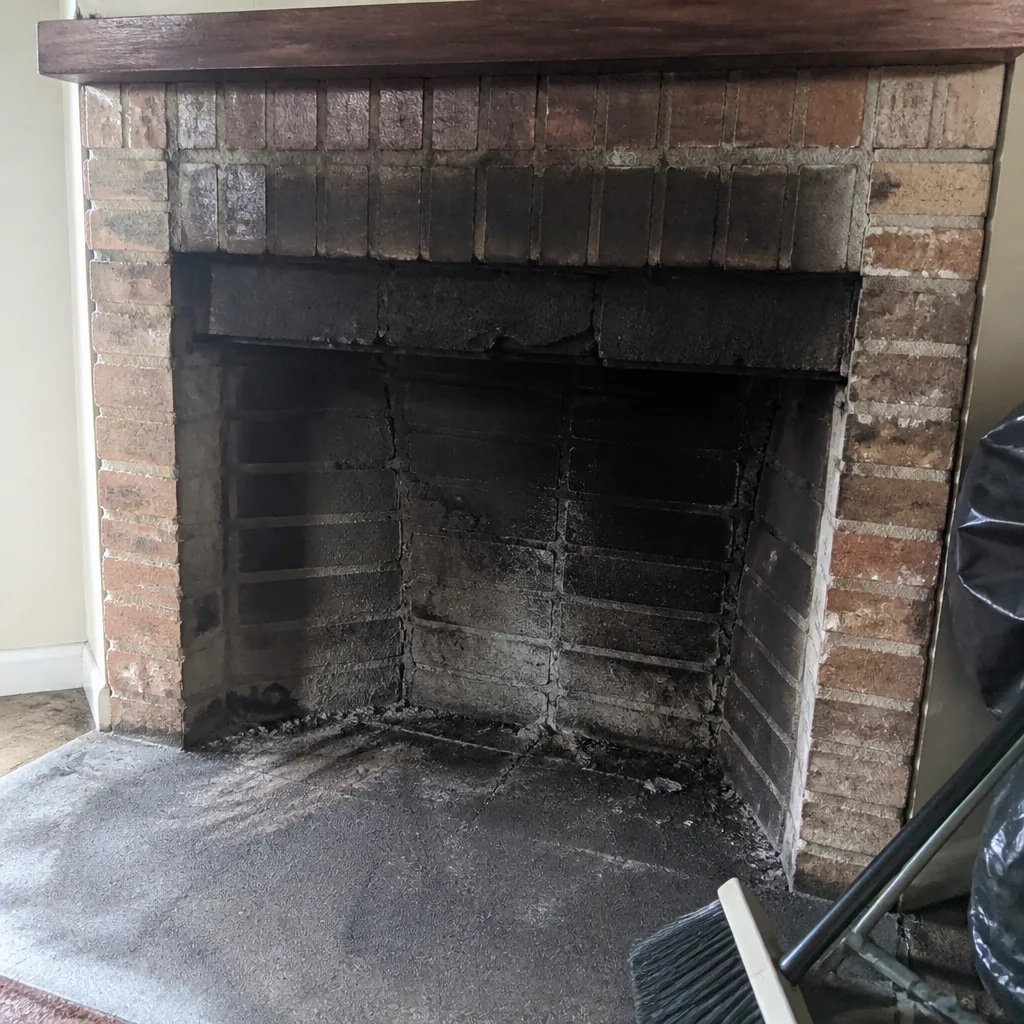 Before
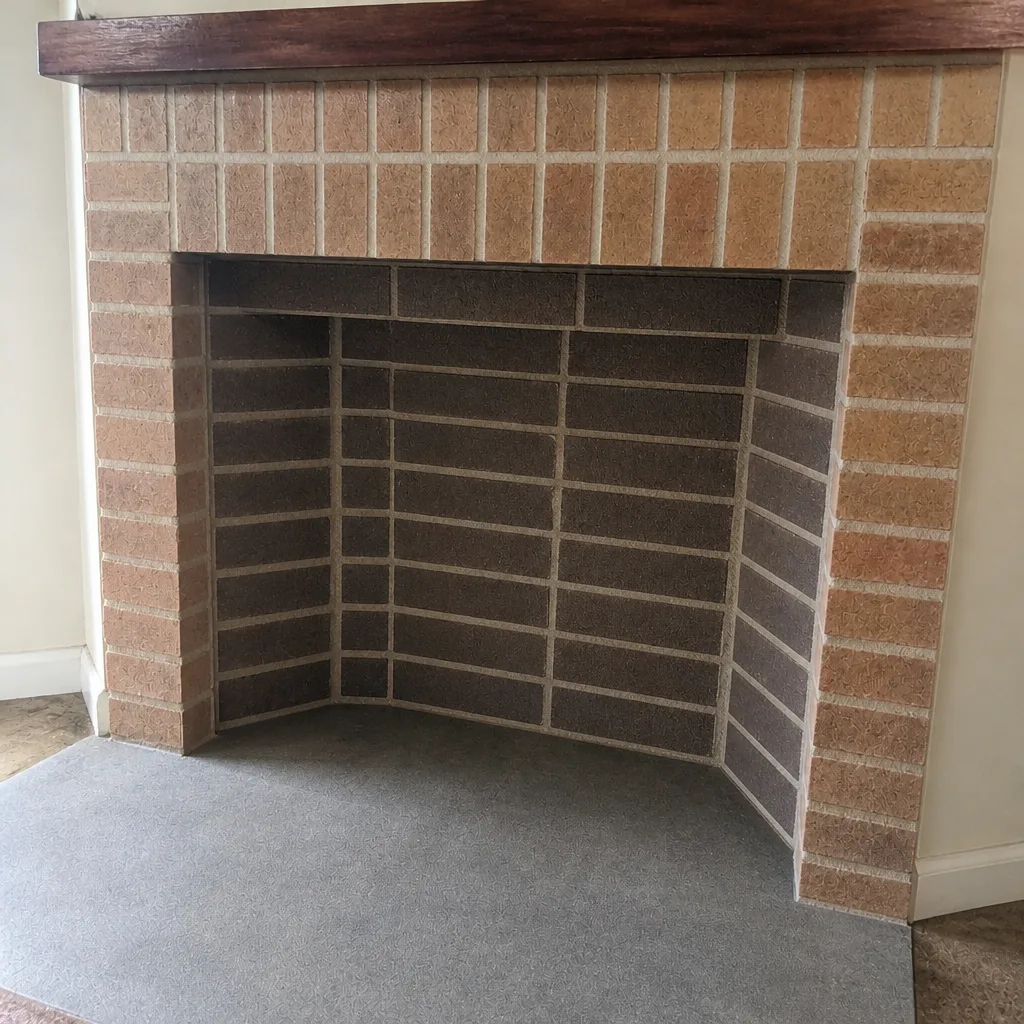 After
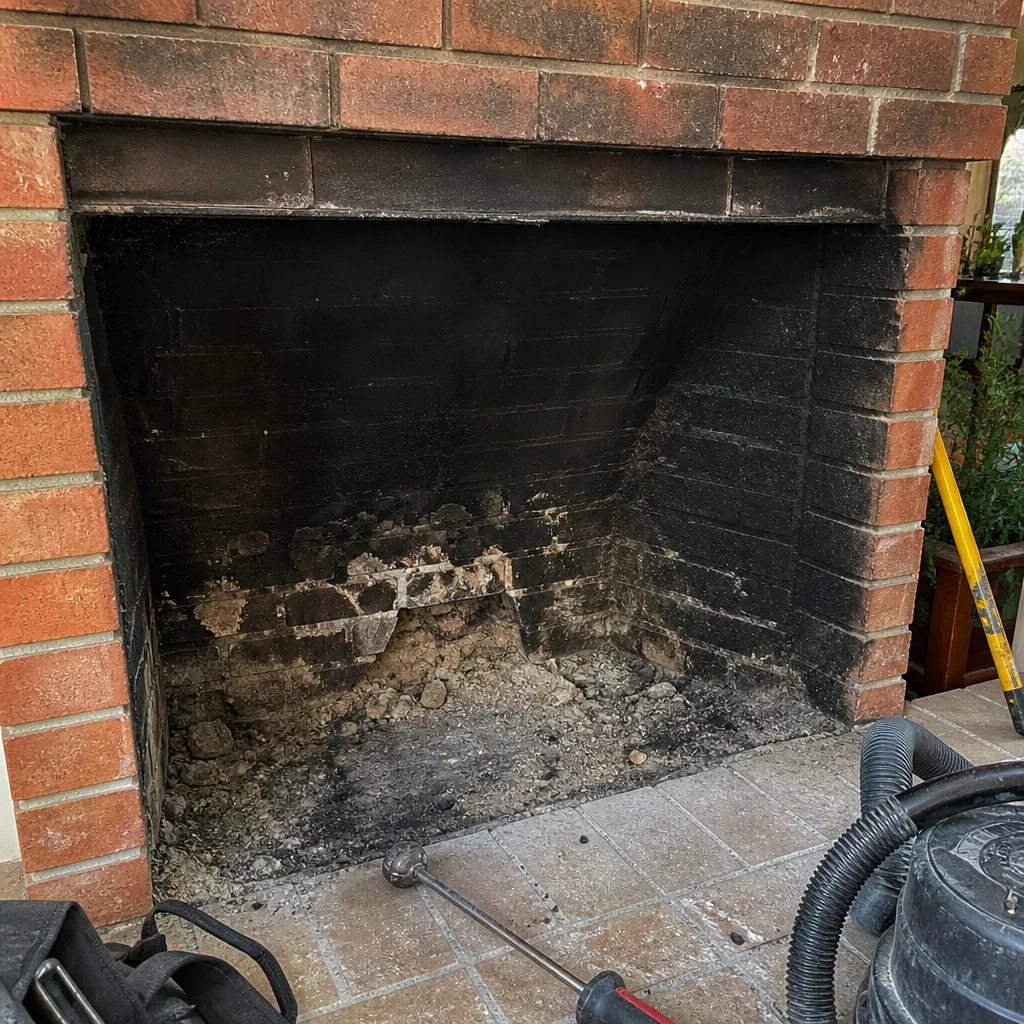 Before
 After
 Before
 After
Frequently Asked Questions
Once per year is the standard recommendation for a chimney in regular use, and a full inspection once per year regardless of use. If you burn occasionally, an annual inspection with a sweep as needed is the practical pattern. In Orange, the best window for that appointment is late summer, before burn season fills the calendar.
A sweep removes creosote and debris. An inspection evaluates the whole chimney system for damage. They’re often done together, and a proper inspection should include a look at the flue interior, the crown, the cap, the flashing, the damper, and the firebox. If a sweep is booked without an inspection, ask whether a camera inspection is included.
Yes. A cap prevents water from entering the flue, keeps birds and squirrels out, and blocks wind-driven debris during Santa Ana events. It’s the single most effective piece of protection the chimney has, and its absence is one of the most common causes of expensive repairs. Cap and crown installation is one of our five core services for exactly this reason – the cap protects the work done below it.
From the ground with binoculars, look at the top of the chimney. The crown should appear smooth and slightly sloped away from the flue. A hairline crack may be visible as a thin dark line across the crown surface. A wider crack, chipped edges, or visible flaking are all signs that need a professional look. Do not attempt to inspect the crown from the roof yourself.
Do not light a fire. A nest is a blockage, and burning with a blockage sends smoke and carbon monoxide into the home. Book an inspection and let a technician remove the nest and confirm the flue is clear. Once it’s clear, a proper cap prevents the problem from returning. If you can see evidence of a nest on top of the cap, don’t try to remove it yourself – the top of the stack is a roofline job.
We don’t recommend it. The whole point of a maintenance checklist in Orange is that the problems here fail quietly, especially water intrusion and dormant-period debris. A clean inspection report is useful, but the year you skip is the year the crown crack starts. If you’re going to skip one task on this list, skip the less critical exterior checks – not the inspection.
The Bottom Line
Chimney maintenance in Orange isn’t a cold-climate routine. It’s a checklist built around three local realities: water intrusion during the rainy season, debris accumulation during the dry dormant stretch, and wind damage during Santa Ana events. The homeowner-side work is real – damper tests, ground-level exterior checks, firebox clearing, and documentation – but the flue interior, the roofline, the crown, and the liner all require a trained technician. Book the inspection in the late-summer window, keep the paperwork in one place, and don’t light the first fire of the season without a working damper and a clear flue. Whether it’s a routine sweep or a structural fix, the whole system is worth looking at once a year by someone who works on chimneys every day.
If it’s time for that yearly look, our team handles the full loop – inspection through repair through protection – with the materials a chimney professional would specify. We work with DuraFlex flexible liner systems for relining jobs where rigid liners can’t go, and with brands like Olympia Chimney and Famco where their parts are the right fit, so there’s no handoff to a second contractor mid-job. When we diagnose first and recommend repair only where the photo evidence supports it, you get a report you can actually use, not a sales pitch.
For a firsthand look at what a repair call really involves, see our chimney repair guide.
Call (833) 468-2987 for a free estimate. We answer 24/7. Fast dispatch from 7am to 7pm, Sunday through Friday.
Written by the team at Chimney Sweep Orange.