
Last updated November 25, 2026
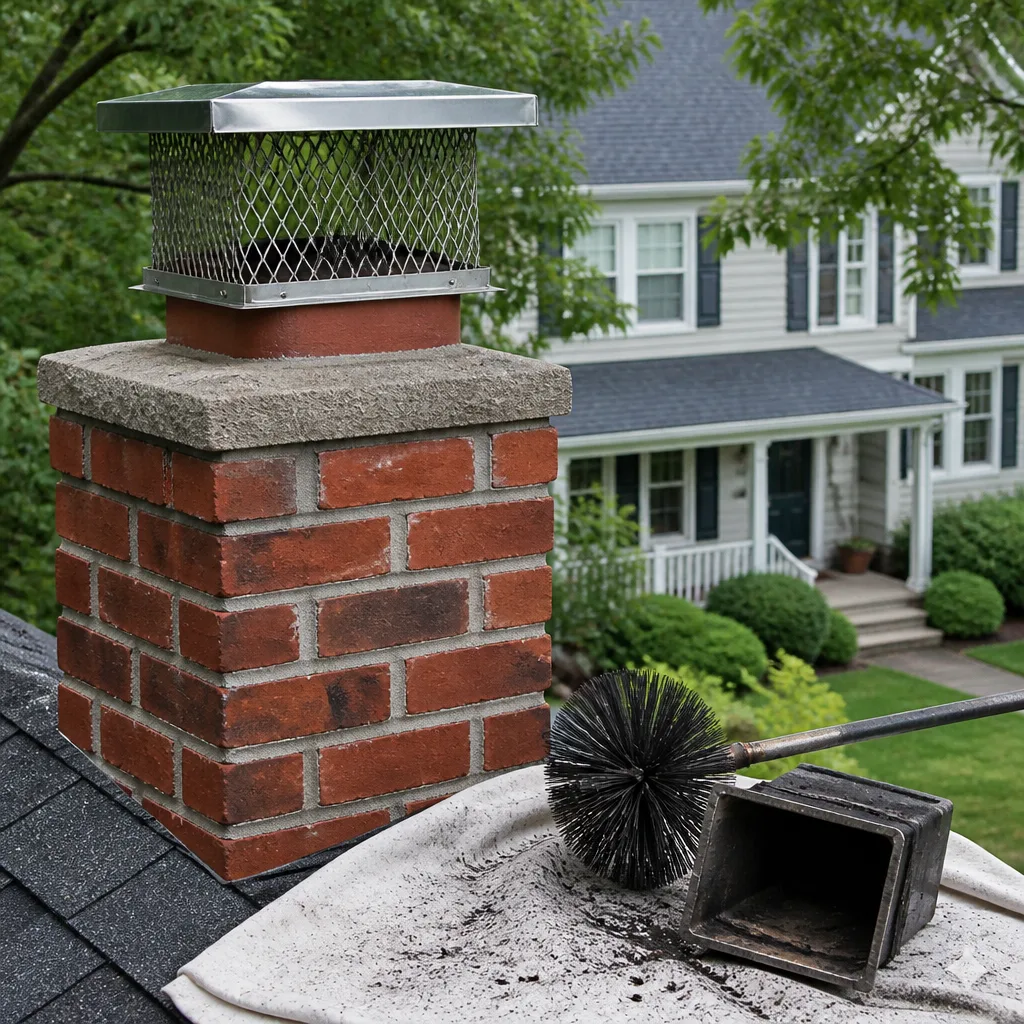 Sweep & inspection
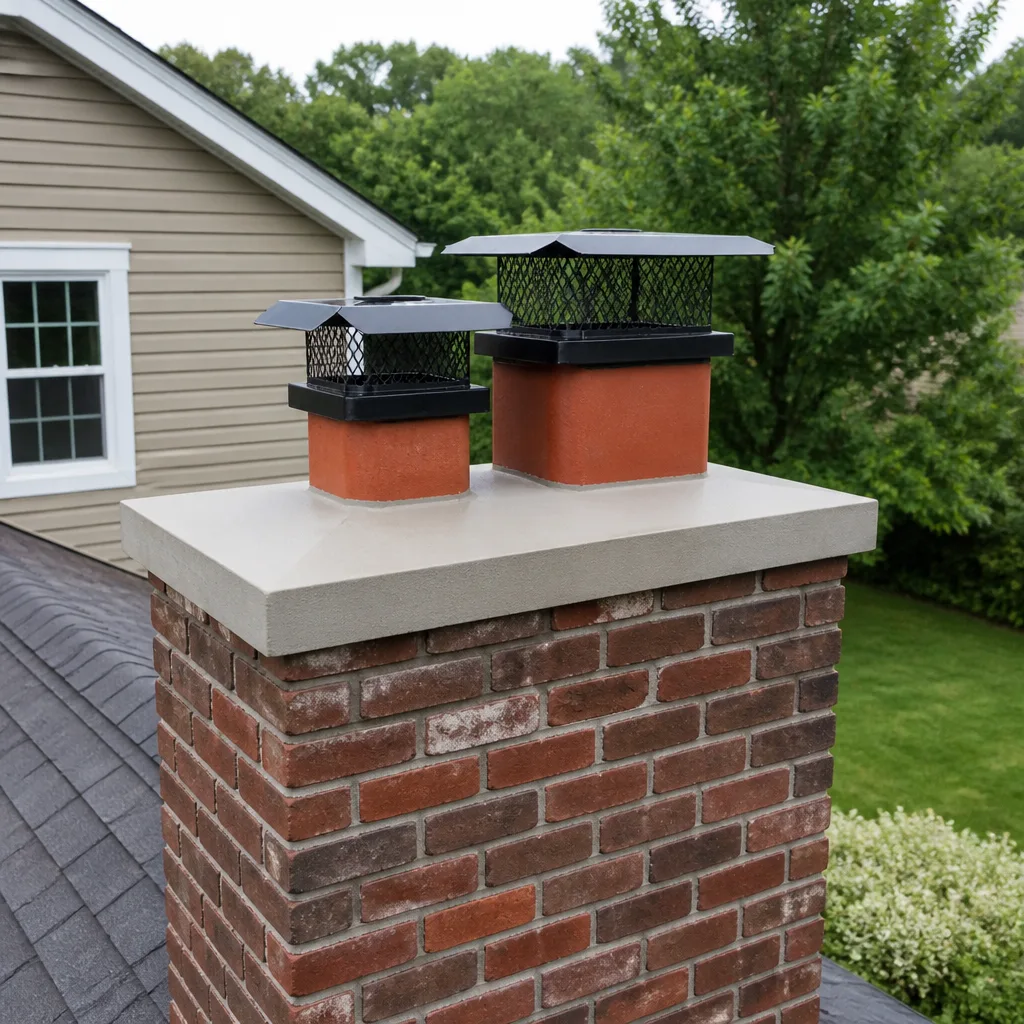 Caps & crowns
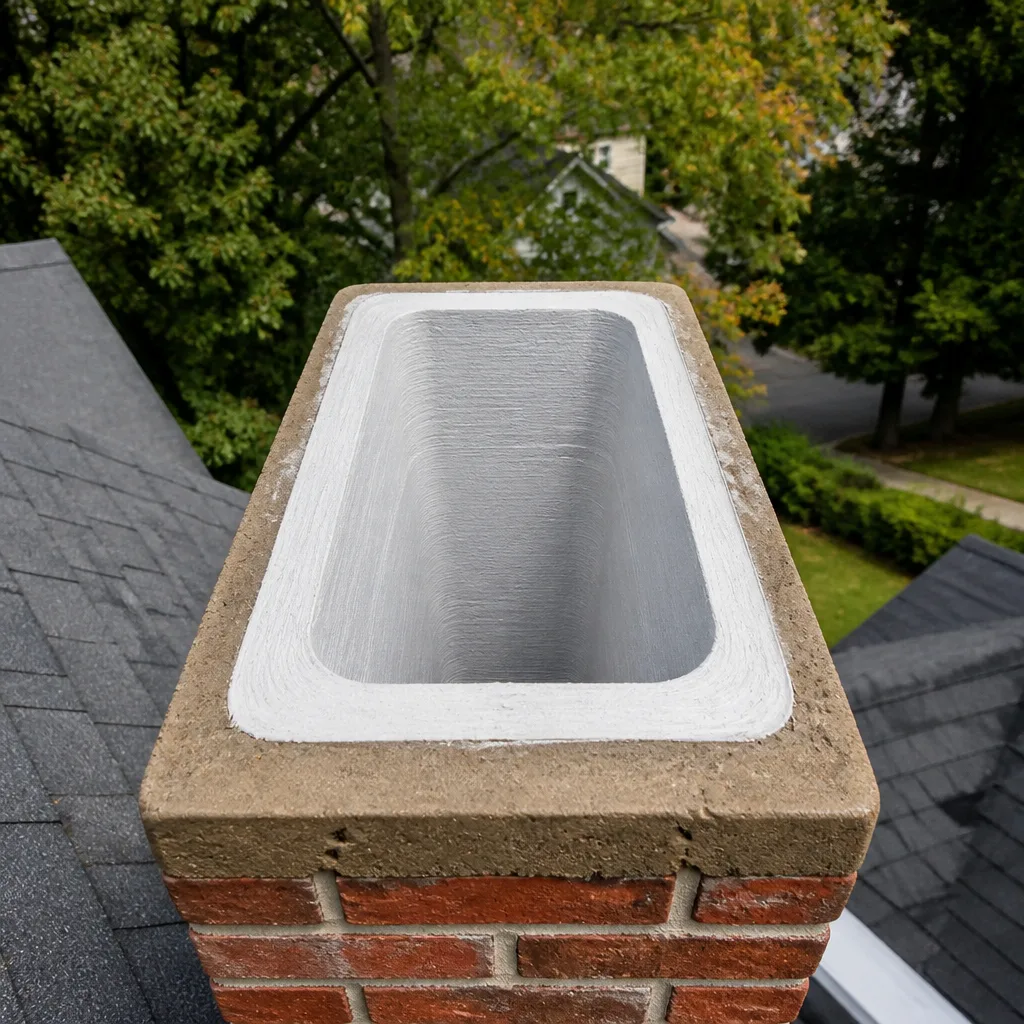 Flue relining
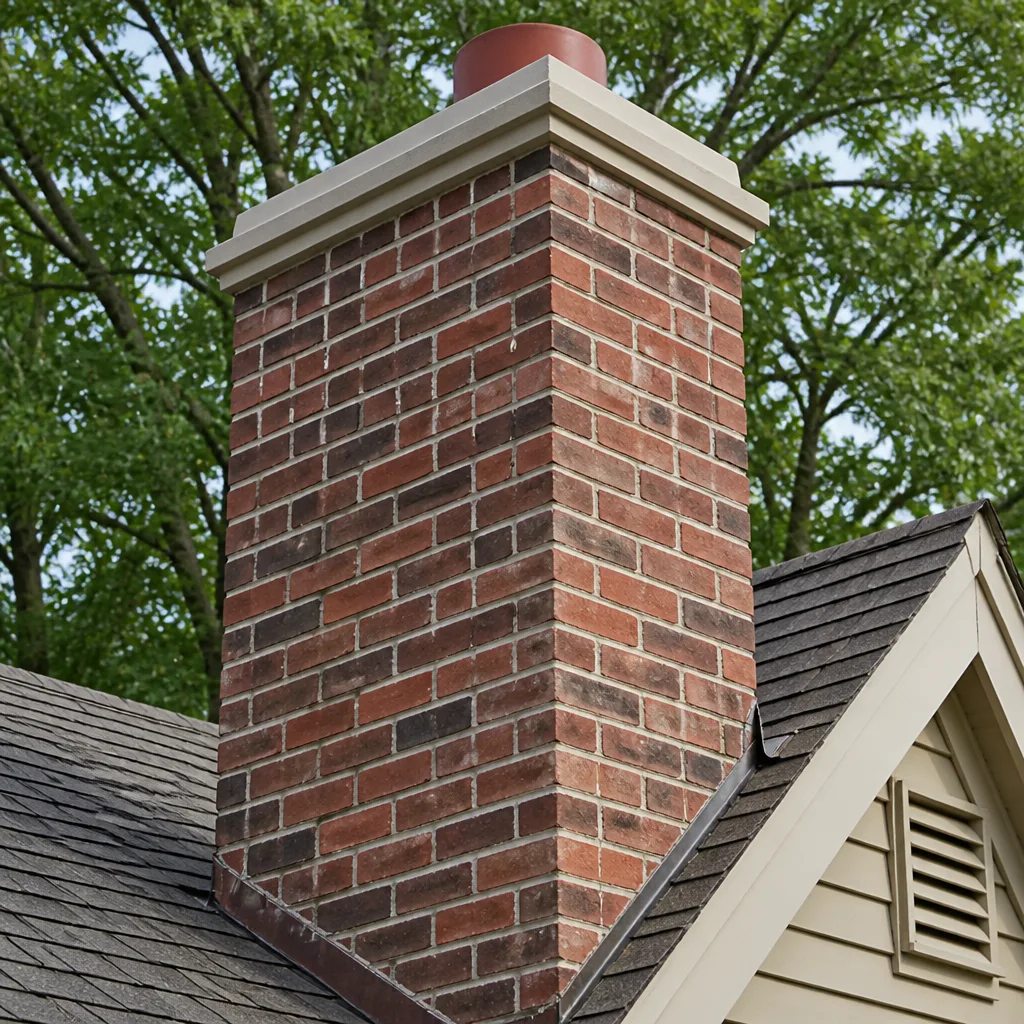 Masonry repair
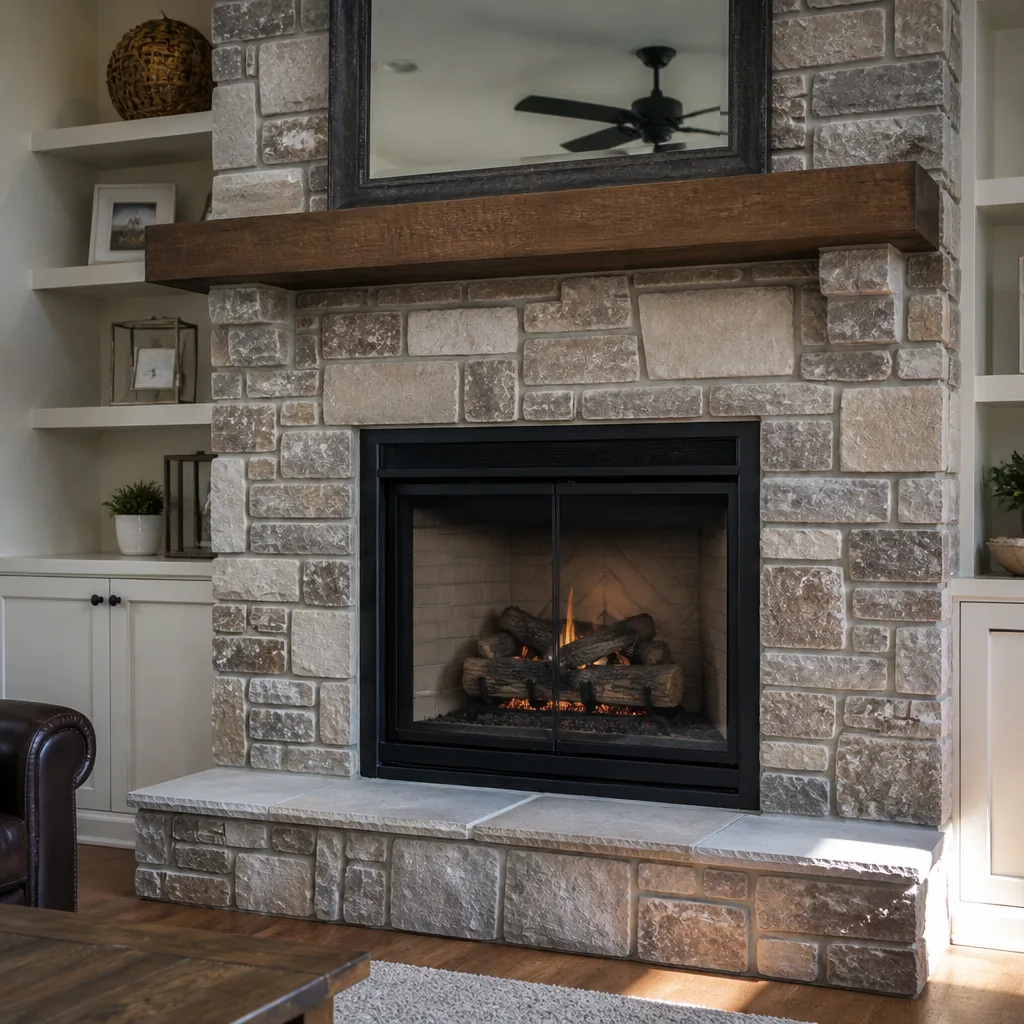 Gas fireplace service
Level 1 sweep and inspection to the NFPA 211 annual standard - flue, crown, cap, and flashing checked and photographed
Chimney sweep logs do not sweep chimneys. They loosen some creosote - which then falls where a brush and vacuum still have to collect it.
Seasonal Chimney Cleaning Care for Orange: Year-Round Homeowner’s Guide
Most chimney advice assumes four seasons. Orange doesn’t have four seasons, and treating our climate like a cold-weather town is the fastest way to mistime every chimney task you own. Here’s the counterintuitive part: Orange averages fewer than 40 rainy days a year, but those days do more damage to neglected chimney masonry than a full cold-climate winter, because the moisture hits bone-dry, UV-stressed brick that hasn’t been protected in months. This guide breaks chimney care in Orange into three distinct phases, each with its own priorities, plus the Santa Ana wind problem almost every seasonal guide skips.
Quick Answer
Seasonal chimney care in Orange works in three phases, not one annual sweep: a pre-dormant phase (April through September) to clean and seal the system before summer, a fall activation phase (October and November) to inspect before the first fire after months of disuse, and a winter burn season (December through February) where a compressed, heavy-use window sets your cleaning interval. Then comes a post-rain inspection (February and March) of the crown, mortar, and firebox floor, plus a check after every Santa Ana wind event.
Styles & brands we work with
- Sweep & inspection
- Caps & crowns
- Flue relining
- Masonry repair
- Gas fireplace service
Table of Contents
- Why Chimney Care in Orange Doesn’t Follow the Standard Calendar
- Phase 1: Pre-Dormant Care (April Through September)
- Phase 2: Fall Activation Checks (October and November)
- Phase 3: Winter Burn Season Intervals (December Through February)
- The Post-Rain Inspection (February and March)
- Santa Ana Winds: The Parallel Risk Nobody Covers
- Signs You Need a Mid-Season Cleaning
- Common Mistakes to Avoid
Why Chimney Care in Orange Doesn’t Follow the Standard Calendar
In a four-season climate, the whole year points toward one deadline: get swept before the snow flies. Orange doesn’t work that way. The burn season here is compressed into roughly three months, but it can be intense, and the system sits dormant for most of the year. Two things follow from that.
First, creosote has months of quiet time to harden. Creosote that lands on a flue in February and isn’t touched until October has been curing in the heat through a long dry summer. It sets into a glassy, tar-like glaze that takes far more effort to remove than fresh deposits. A dirty flue sitting closed and unused all summer doesn’t stay as it was.
Second, the moisture that does arrive hits masonry that’s already stressed. The sun and dry air of an Orange summer pull moisture out of brick and mortar and leave them brittle. When the rainy months arrive, unprotected masonry absorbs water quickly and dries slowly. That’s the whole reason this guide treats each phase as its own maintenance problem rather than variations on a single annual sweep.
The care phases we cover here apply across Orange, whether your home is near the Old Towne Plaza historic district, in the neighborhoods around Chapman Avenue, or out toward the hills. What changes is what your chimney is exposed to, not the underlying schedule.
Three phases, three sets of priorities
- Pre-dormant (April to September): clean out the season’s deposits, protect the masonry, and get the flue sealed for summer.
- Activation (October and November): verify the chimney is safe and clear after months of disuse before you light the first fire.
- Burn season and post-rain (December through March): monitor use, catch mid-season problems early, and inspect after the wet months test the crown and mortar.
Phase 1: Pre-Dormant Care (April Through September)
When the burn season ends, the natural instinct is to close the damper and forget the chimney until fall. That’s exactly backwards. The deposits from last season’s fires are still sitting in the flue, and a closed-up chimney traps them in warm, dry air for months. Creosote hardens fastest in that environment.
This is the window to act, and it’s also when most people don’t. That’s a problem, because the summer months are when creosote transitions from something a brush removes easily into something that needs mechanical effort. If your flue had significant buildup at the end of burn season, leaving it until October means addressing a harder deposit than you started with.
Here’s what a proper pre-dormant phase covers:
- End-of-season sweep. Remove the season’s creosote and soot while it’s still fresh. A clean flue is the single most important factor in how well the system survives the dormant months.
- Inspection of the whole system. This is where we diagnose first rather than assume. A camera inspection and photo report show you exactly what’s in the flue and on the firebox, so you can see the condition for yourself instead of taking anyone’s word for it.
- Chimney cap and crown check. The cap keeps out animals, rain, and debris. The crown is the protective top of the masonry that sheds water. Both take the brunt of summer sun. A cracked crown is a slow water channel into the structure below it.
- Exterior masonry review. Look at mortar joints and brick faces on the outside of the chimney. Anywhere water can get in during the dormant months is worth sealing before the rainy season, not after.
Water intrusion that occurs during the dormant months doesn’t always announce itself. It shows up as spalling brick and crumbling mortar when the wet months arrive. This is the reasoning behind the finishing work we install: a chimney sweep visit that ends with a properly fitted cap and sound crown protects every repair that comes after it. We use brands like Famco and Copperfield for caps and crowns, and Olympia Chimney components where the system calls for them, because a cap that rusts out in two seasons isn’t protective at all.
The pre-dormant phase is also when you should decide whether the flue is ready to be sealed for summer. Clean it, inspect it, protect it, then close it down knowing the system is in good shape.
Phase 2: Fall Activation Checks (October and November)
Before the first fire after months of dormancy, the chimney needs a specific set of checks. This is the highest-risk moment in the annual cycle in Orange, because a chimney that sat unused through a long summer can have quietly developed problems no one would notice from the living room.
Two risks stand out in our climate. The first is animal nesting. A flue open at the top for months is prime real estate for birds and other animals, and a nest is both a fire hazard and a draft blocker. The second is thermal shock. After months of sun and dry air, masonry and metal components are stressed and stiff. The first fire of the season introduces sudden heat into a system that hasn’t expanded and contracted through a burn cycle in months. A crack that developed over the summer is more likely to reveal itself on a cold start.
Here’s a sensible activation sequence for Orange homeowners:
- Get a full inspection before lighting anything. Camera inspection and photo report, crown and cap condition, firebox and damper operation, and a check for nesting or debris.
- Sweep if the inspection calls for it. A flue that was cleaned in spring may only need a light touch-up, but verify rather than assume.
- Test the damper. Make sure it opens and closes fully and sits closed firmly, so you’re not losing conditioned air to the flue when you’re not burning.
- Do a small first burn. Start with a modest fire to let the system warm gradually before burning at full intensity.
- Confirm your smoke and carbon monoxide detectors are working. This is a safety task regardless of chimney condition.
If the inspection finds a damaged flue, this is the moment to deal with it, not after the first fire. A flue that’s structurally sound but deteriorated on the interior may be a candidate for resurfacing rather than a full reline. We work with chimney repair methods including HeatShield, a proprietary resurfacing system that can restore a damaged flue without full reliner replacement. That option matters because it’s one many sweep-only companies can’t offer, and it’s often the difference between a repair and a much bigger project.
Phase 3: Winter Burn Season Intervals (December Through February)
Orange’s burn season is short and often intense. A household that burns heavily from December through February can pack a lot of use into a few weeks, and heavy use in a condensed window changes your cleaning interval. The general rule of thumb is to sweep based on the amount of wood burned and the resulting creosote accumulation, not simply on a date on the calendar.
In practice, that means a household burning regularly through the compressed season should plan on at least one cleaning during or immediately after it. Some homes will need a mid-season cleaning; others won’t. The variable is how you burn and how much. Slow, smoldering fires deposit more creosote than hot, efficient ones, and wet wood makes it worse.
Use this guidance for the burn season:
- Burn well-seasoned wood. Moisture in the wood wastes heat and increases creosote deposits.
- Avoid long, slow smoldering burns. They look efficient but they coat the flue.
- Watch the firebox and flue for the signs of buildup listed in the next section.
- Schedule the cleaning based on your actual burn pattern, not a fixed date. If you’ve burned heavily, get it on the calendar.
If a mid-season cleaning turns up a problem in the firebox or damper, that’s where our fireplace repair work comes in. One company inspects, cleans, and repairs, so you’re not handed off to a second contractor partway through the season. That single-source accountability matters most in the middle of burn season, when you want a problem solved, not a referral.
The burn season is also when safety is the reason to act. A flue with heavy creosote buildup is a chimney fire risk, and a blocked or damaged flue that vents poorly is a carbon monoxide risk. Neither of these requires spreading alarm. It requires a clean, inspected, functioning system, and a sweep and inspection is how you get there.
The Post-Rain Inspection (February and March)
Orange’s rainy period is the real test of your chimney’s exterior. The dry months leave brick and mortar UV-stressed and dry. Then the rain arrives, the masonry absorbs water, and the system dries slowly. A crown or mortar joint that was barely holding together in September is a different story in February.
After the wet months, check three things closely:
- The crown. Look for cracks, gaps, or places where the crown has pulled away from the flue. The crown is the top surface that sheds water away from the structure. Any crack is an entry point. We work with brands like Copperfield for crown work, and we install a properly shaped crown that drains water away rather than letting it pool.
- Mortar joints on the exterior. Look for crumbly, recessed, or missing mortar. Any joint that’s opened up is a place water gets behind the brick. Repointing early is a small job; a damaged masonry structure is not.
- The firebox floor. Look for water staining, rust, or a soft, crumbling firebox floor. Moisture that got past the crown and down the flue can show up here. If the firebox floor is compromised, that’s a repair, not a cleaning.
This post-rain inspection is where a cap earns its keep. A proper cap, and we fit caps in the Famco and Olympia Chimney lines, keeps rain out of the flue directly. A missing or damaged cap is a straight water path into the flue, and over the wet months that path adds up. Cap and crown installation is the protective layer that safeguards every other repair on the system. It’s also the finishing step that many sweep-only companies skip or subcontract. We do it as part of the same service.
If the inspection shows water has already gotten into the flue or firebox, a full assessment and repair may be needed. Address it before the next dormant phase, so the next rainy season finds the system protected.
Santa Ana Winds: The Parallel Risk Nobody Covers
Most seasonal chimney guides say nothing about wind. In Orange, they should. The Santa Ana wind events of October through December overlap with the activation phase and the start of burn season, and they create a set of risks that’s entirely separate from the ones we’ve covered.
The first is flying debris. The Santa Ana winds carry leaves, twigs, and other debris that can land on the cap or collect on top of the chimney. A clogged cap screen or a pile of debris at the flue opening restricts airflow and is a fire hazard if it comes in contact with hot embers. Check the cap after a wind event and clear any accumulation.
The second is negative draft pressure. Strong winds can push air down the flue, reversing the normal upward flow. The result is smoke pushed back into the living space, and in the worst cases a pressure pattern that complicates how the flue vents combustion gases. If you experience downdrafts during wind events, note it. The condition and height of the cap and crown, and the condition of the flue, all affect how wind interacts with your chimney. A damaged crown or missing cap makes downdrafting worse.
Practical steps during and after a Santa Ana event:
- Before the event, confirm the cap screen is intact and clear.
- After the event, check the cap and the top of the chimney for debris.
- If you experience smoke pushing back into the room during high winds, don’t burn until it passes and get the chimney inspected.
- Falling debris during wind events can damage a cap or crown. Note any visible damage for your post-rain inspection.
We’ve seen wind damage to caps and crowns go unnoticed until the rainy months reveal the consequences. Treat the wind events as an inspection trigger of their own, not just a fire-weather warning.
Signs You Need a Mid-Season Cleaning
You don’t need to wait for a date on the calendar. Watch your fires, and watch the signs. Any of these is a reasonable trigger to schedule a cleaning and inspection:
- Smoke rolling back into the room. A chimney that used to draft well and now doesn’t is signaling a restriction somewhere.
- A strong, sharp, acidic smell. Creosote deposits produce a smell, especially in damp or changing weather. If your firebox smells stronger than usual, deposits have accumulated.
- Visible soot or glaze on the flue walls. From an inspection, this is measurable. From the firebox, soot on the back wall is a sign the flue is loading up.
- Burning more wood than usual for the same heat. A restricted flue doesn’t draft efficiently, so fires struggle and you burn more.
- A roar or a hot smell while the fire is burning. A roaring fire with little visible flame can indicate excess heat in the flue. Address it before the next fire.
- Debris or fallen masonry in the firebox. This is a sign of damage or a failed cap, and it warrants an inspection.
None of this is a diagnosis from the living room. It’s a reason to get the chimney checked. A camera inspection and photo report shows you exactly what’s in the flue, and if the system is fine, you’ll know that too.
Common Mistakes to Avoid
- Treating the spring sweep as optional. In Orange, the end of burn season is the ideal time to clean. Skipping it lets a season’s creosote harden through the dormant months. Book it as the season ends, not when autumn arrives.
- Lighting the first fire without an inspection. A chimney that sat closed through a long summer can collect animals, debris, and a cracked crown. Get the inspection before the first fire, not after smoke comes into the room.
- Burning slow and cool to “stretch” the wood. Smoldering fires deposit far more creosote than hot, efficient burns. The savings on wood come back as a harder cleaning job and a bigger fire risk.
- Ignoring the crown until the rainy months. A cracked crown is a water channel. Find it during the dry months and fix it before the wet months test it.
- Forgetting the wind events. Checking the cap and chimney top after Santa Ana wind events is part of seasonal care in Orange, not separate from it. A clogged cap is a fire hazard.
- Hiring a sweep who only sweeps. If the inspection turns up a flue problem or a failed crown, you’ll want the same company to repair it rather than finding another contractor mid-job.
- Assuming the flue is fine because the fire burns. A fire can burn while a crack or a degraded flue liner goes completely unnoticed. Only an inspection with camera evidence shows the actual condition.
See the difference
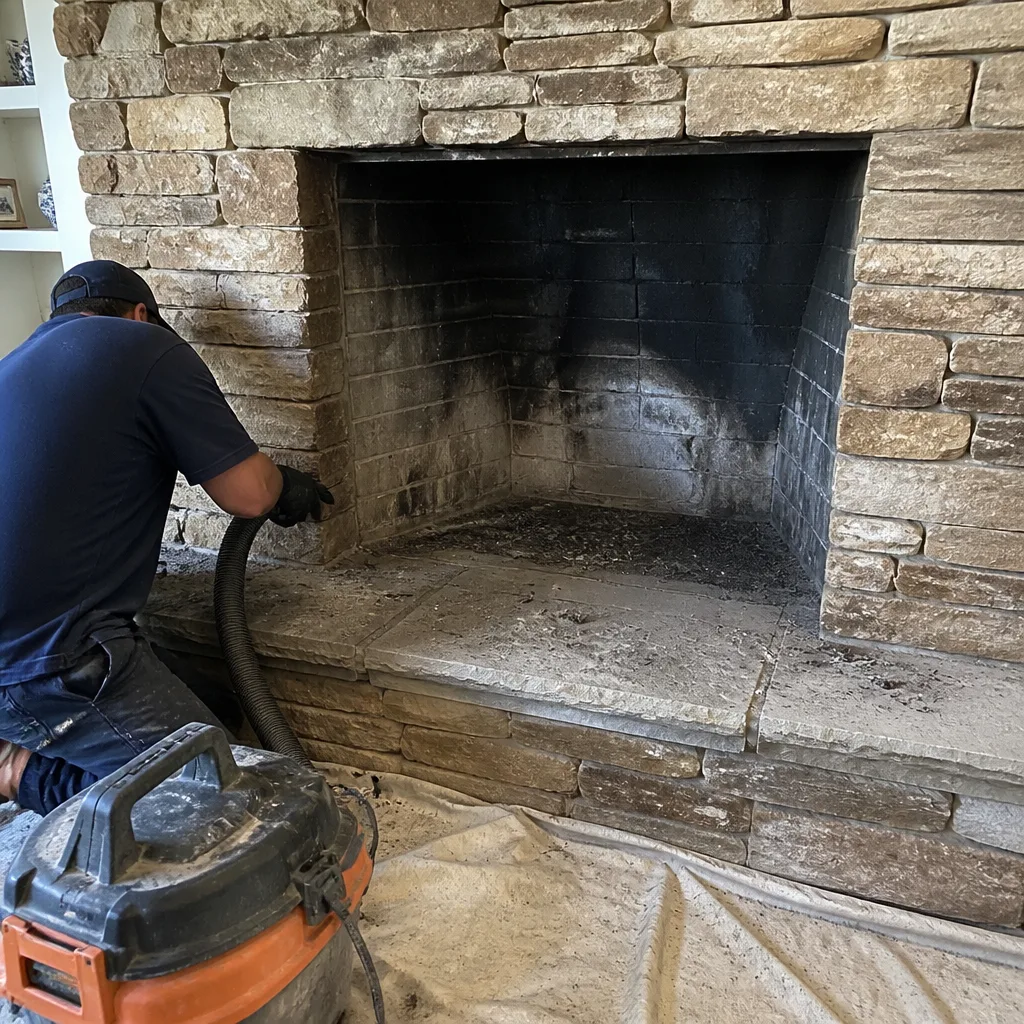
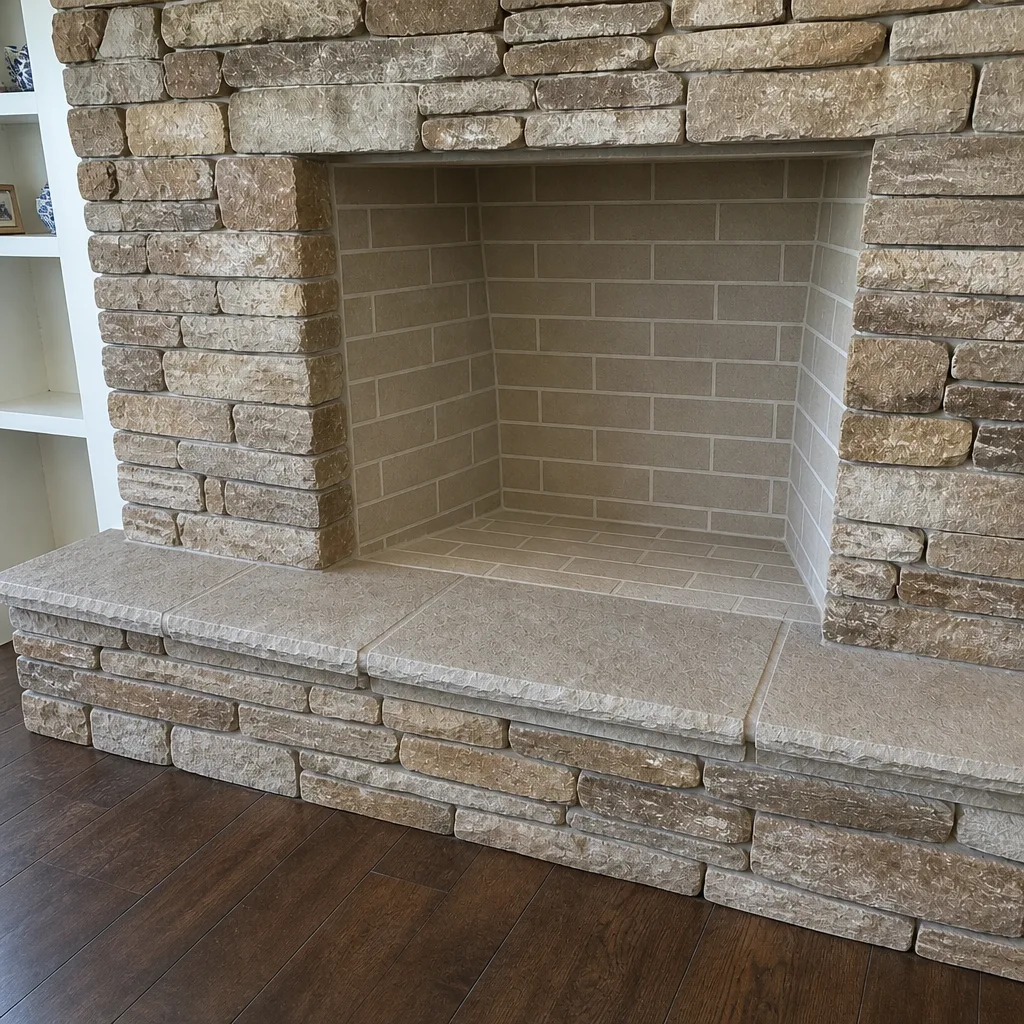
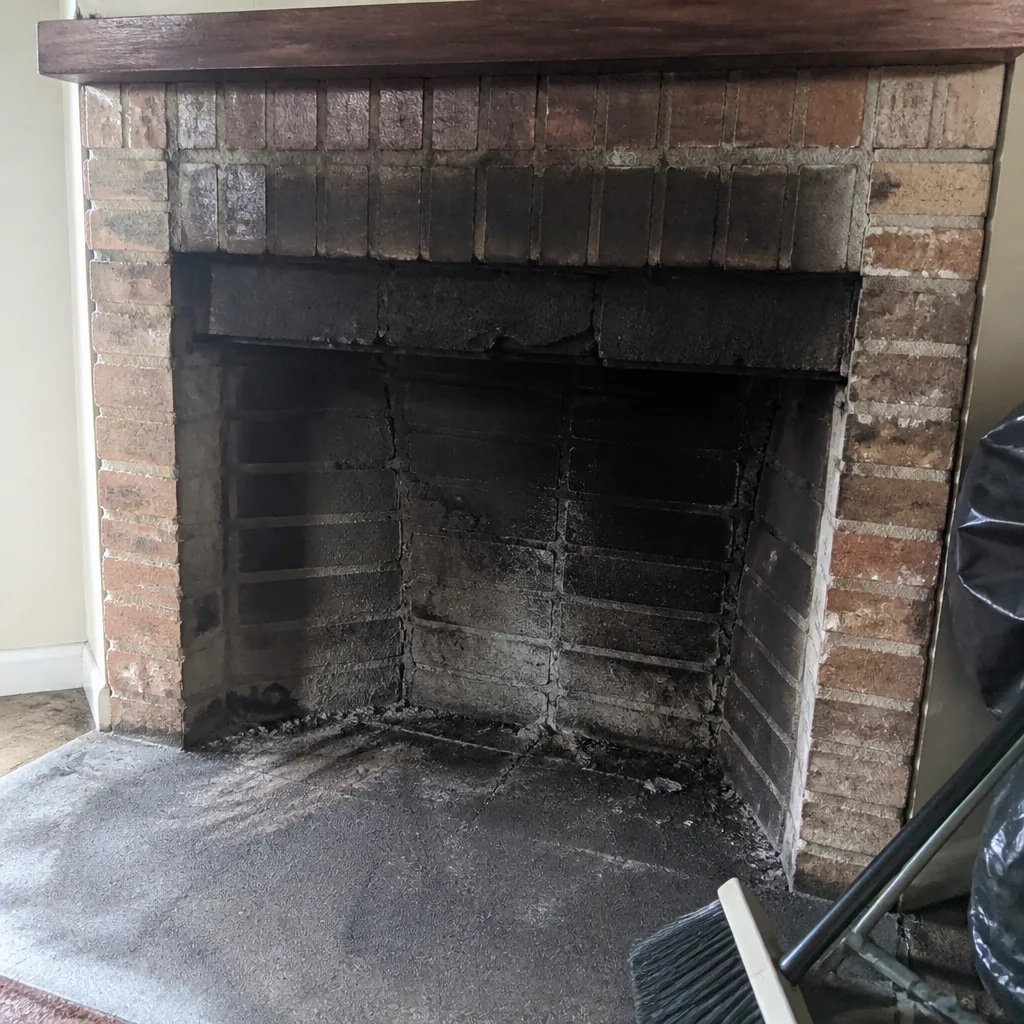 Before
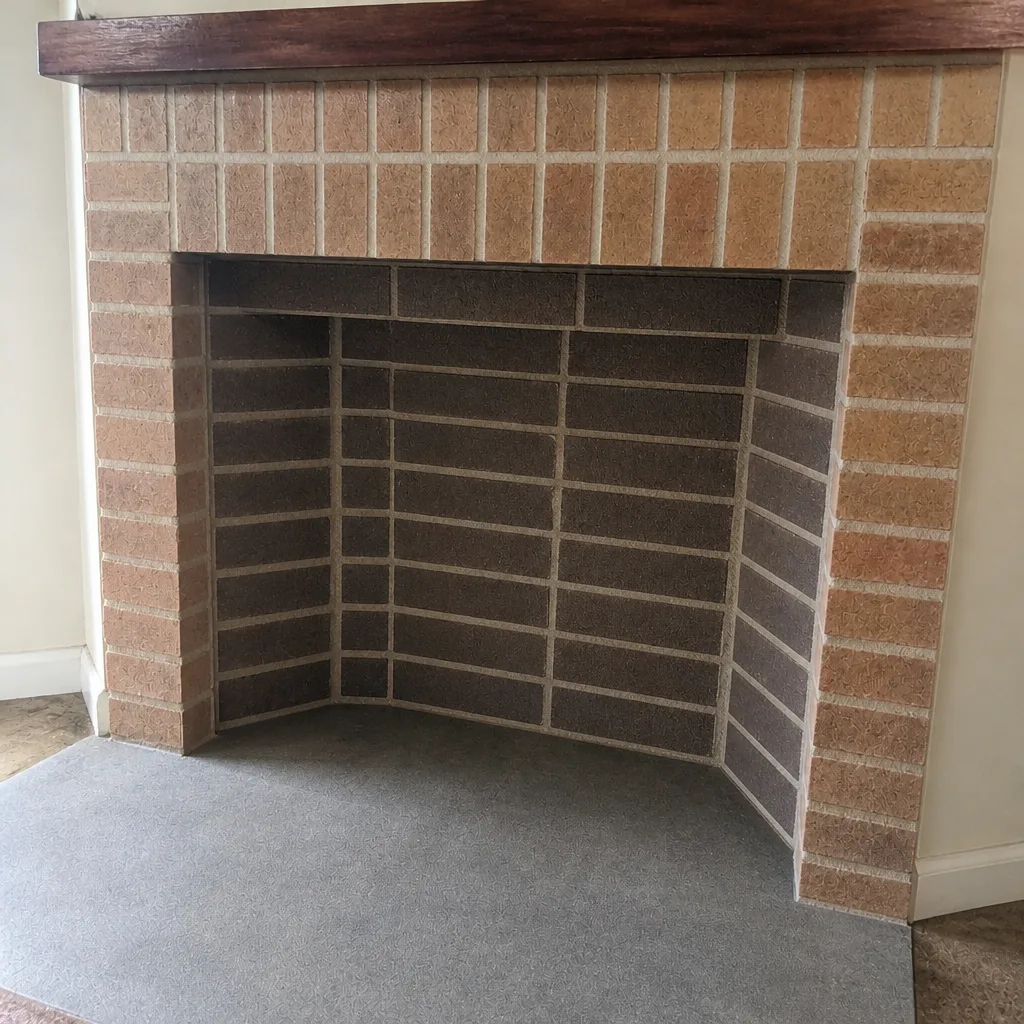 After
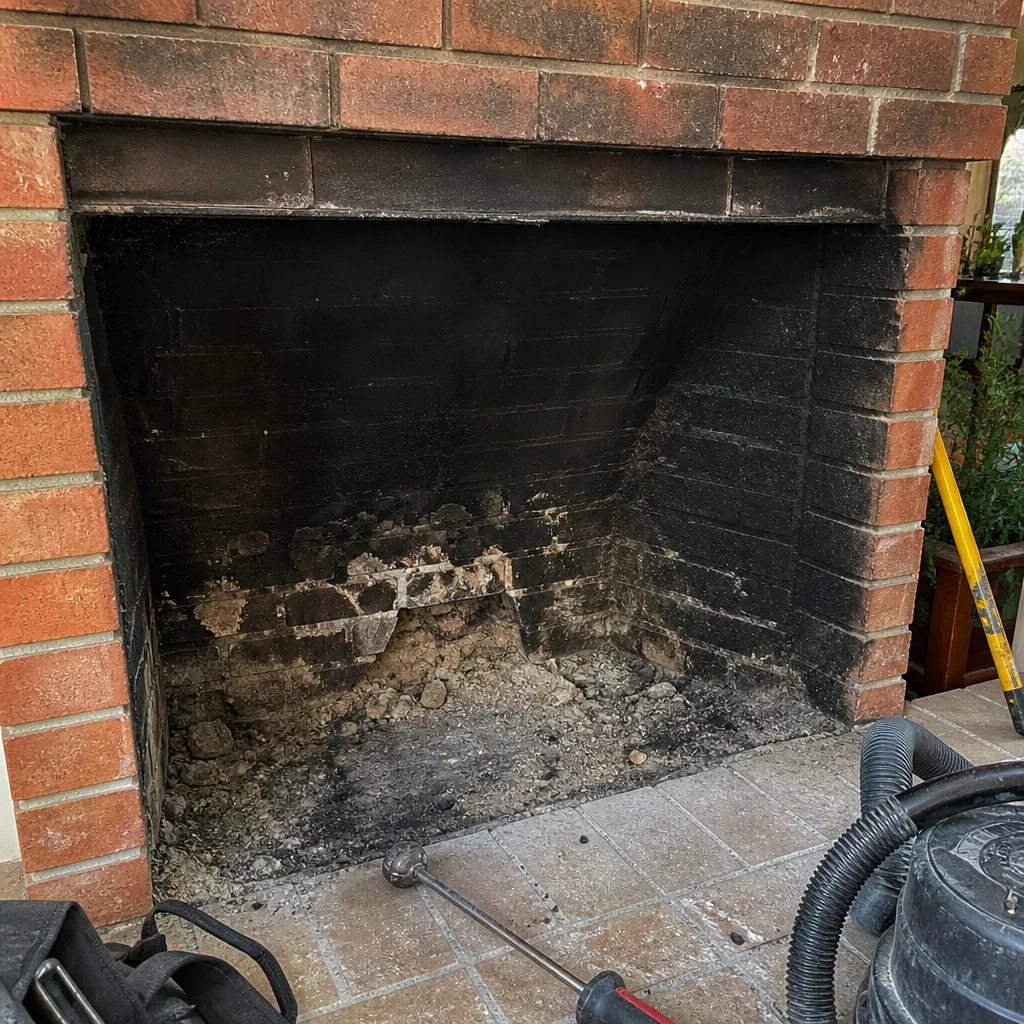 Before
 After
 Before
 After
When to Call a Professional
Some chimney work belongs in the hands of a trained professional, no exceptions. If your flue needs relining, that’s liner work. If the crown is cracked or the masonry is damaged, that’s structural repair. High-tension components, electrical work, and gas lines are not homeowner projects; anyone working around those needs to be qualified.
We diagnose first, and we tell you when work can wait. A camera inspection and photo report shows you the condition, and if there’s nothing needing repair, you’ll hear that plainly. If the flue is structurally sound but deteriorated, resurfacing with HeatShield may be an option instead of full relining. If a reline is needed, we install DuraFlex flexible liner systems, which are designed for chimney configurations where rigid liners can’t go. Every job starts with a flat-price sweep agreed before booking, and the written estimate sets the final price.
Chimney Sweep Orange offers free estimates in Orange. Call (833) 468-2987. We answer 24/7. Fast dispatch from 7am to 7pm, Sunday through Friday.
Frequently Asked Questions
Sweep based on use, not a fixed date. In Orange’s compressed burn season, a household that burns regularly should plan at least one cleaning at the end of the season and be ready for a mid-season cleaning if deposits build. The pre-dormant sweep in spring is the single most important one, because it stops creosote from hardening over the dry months. Call (833) 468-2987 for an exact quote, and estimates are free.
Yes. The first fire after a long dormant period is the highest-risk moment of the year in Orange. The system has sat closed for months, and animals, debris, or a cracked crown can develop unnoticed. An inspection with camera evidence shows you the actual condition before you commit to a fire. If the flue is clear, you’ll know it. Call (833) 468-2987 to book an inspection.
They do, in two ways. Wind events carry debris that can clog the cap and collect on top of the chimney, and strong wind can reverse the draft and push smoke back into the room. Checking the cap after a wind event and getting the chimney inspected if downdrafts become a problem is part of seasonal care in Orange. Call (833) 468-2987 if you’ve noticed wind-related drafting issues.
Small water problems become big ones. A cracked crown or an open mortar joint lets water into the masonry, and over Orange’s wet months that water stresses brick and mortar that’s already dried and UV-stressed. By the time spalling or a soft firebox floor shows up, the repair is larger than the crack would have been. That’s why we recommend a post-rain check of the crown, mortar joints, and firebox floor. Call (833) 468-2987 for an exact quote.
Sometimes. When a flue is structurally sound but deteriorated on the inside, resurfacing with HeatShield can restore it without full reliner replacement. When the flue needs a new liner, we install DuraFlex flexible liner systems, which work in tight and irregular configurations where rigid liners can’t go. The inspection determines which applies. Call (833) 468-2987 for a free estimate.
No. Until the chimney is inspected, you don’t know its condition. Creosote buildup is a fire risk, and a blocked or damaged flue can vent poorly, which is a carbon monoxide risk. Neither is worth guessing at. Get the inspection first, then burn with confidence. Call (833) 468-2987. We answer 24/7, with fast dispatch from 7am to 7pm, Sunday through Friday.
The Bottom Line
Chimney care in Orange works in phases, not a single annual task. Clean and protect the system before summer dormancy, so a season’s creosote doesn’t harden through the dry months. Inspect before the first fire, because a chimney that sat closed can develop problems unnoticed. Monitor the burn season and clean based on actual use. Then inspect the crown, mortar, and firebox floor after the rainy months, and check the cap after Santa Ana wind events. Treat each phase as its own job, and the system stays safe across the year.
We handle all of it in one place: sweep, inspection with camera evidence, fireplace repair, chimney repair, and cap and crown installation. Call (833) 468-2987 for a free estimate. We answer 24/7. Fast dispatch from 7am to 7pm, Sunday through Friday. One call covers inspection through repair, and you’ll get a flat-price sweep agreed before booking.
Written by the team at Chimney Sweep Orange.