
Last updated November 25, 2026
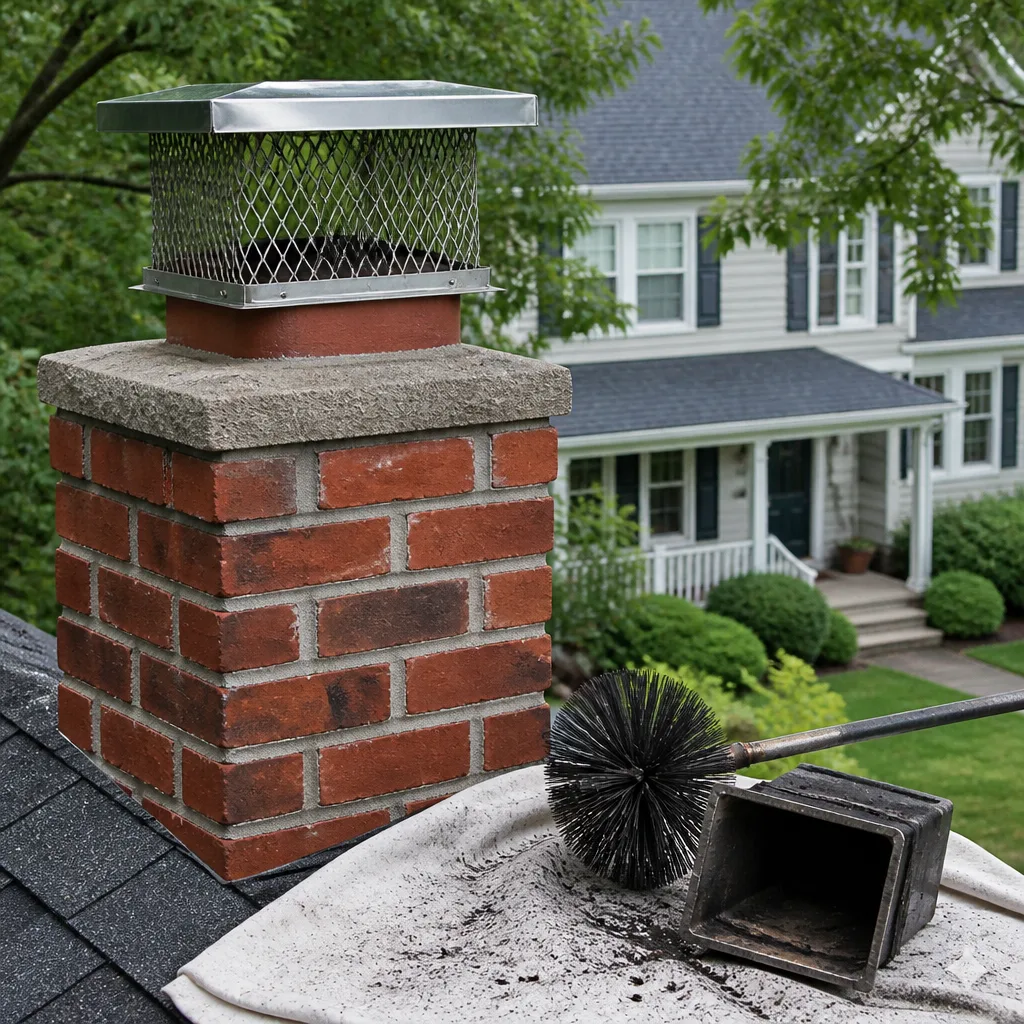 Sweep & inspection
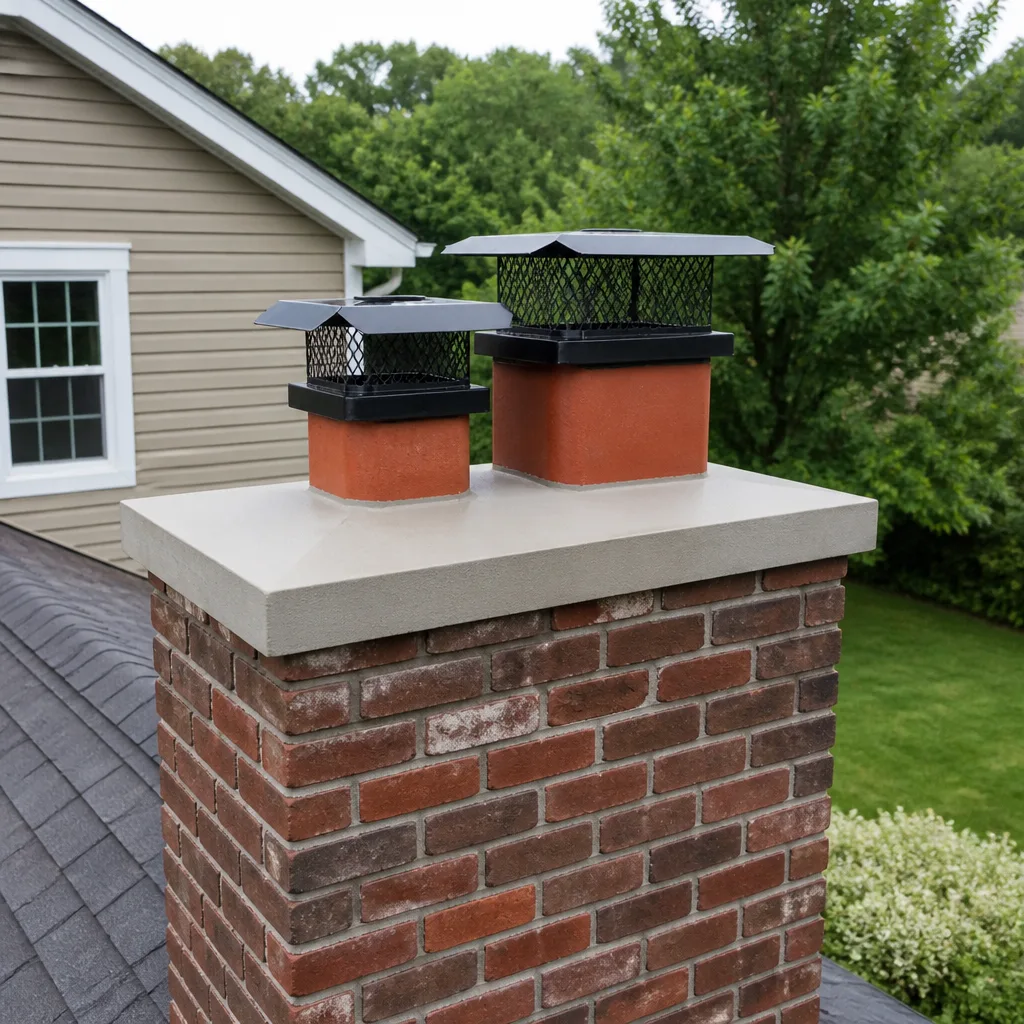 Caps & crowns
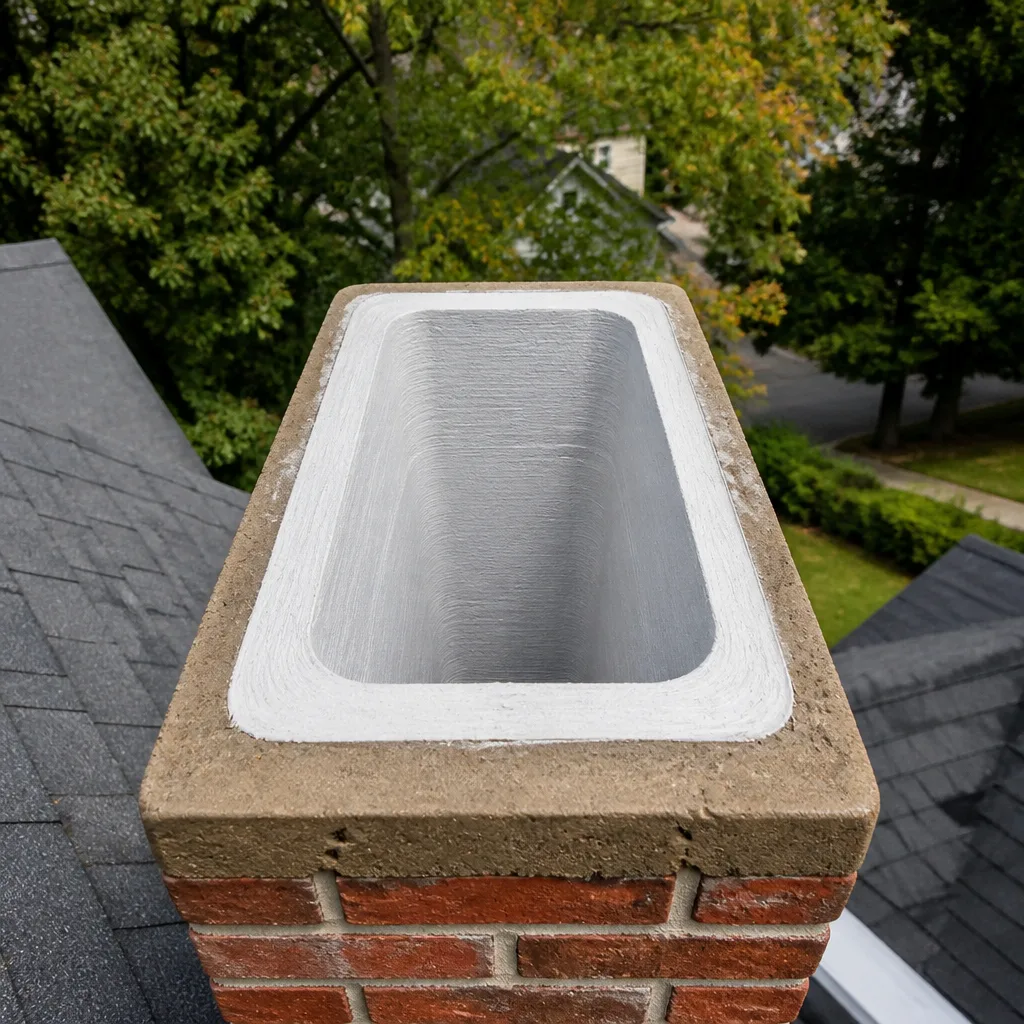 Flue relining
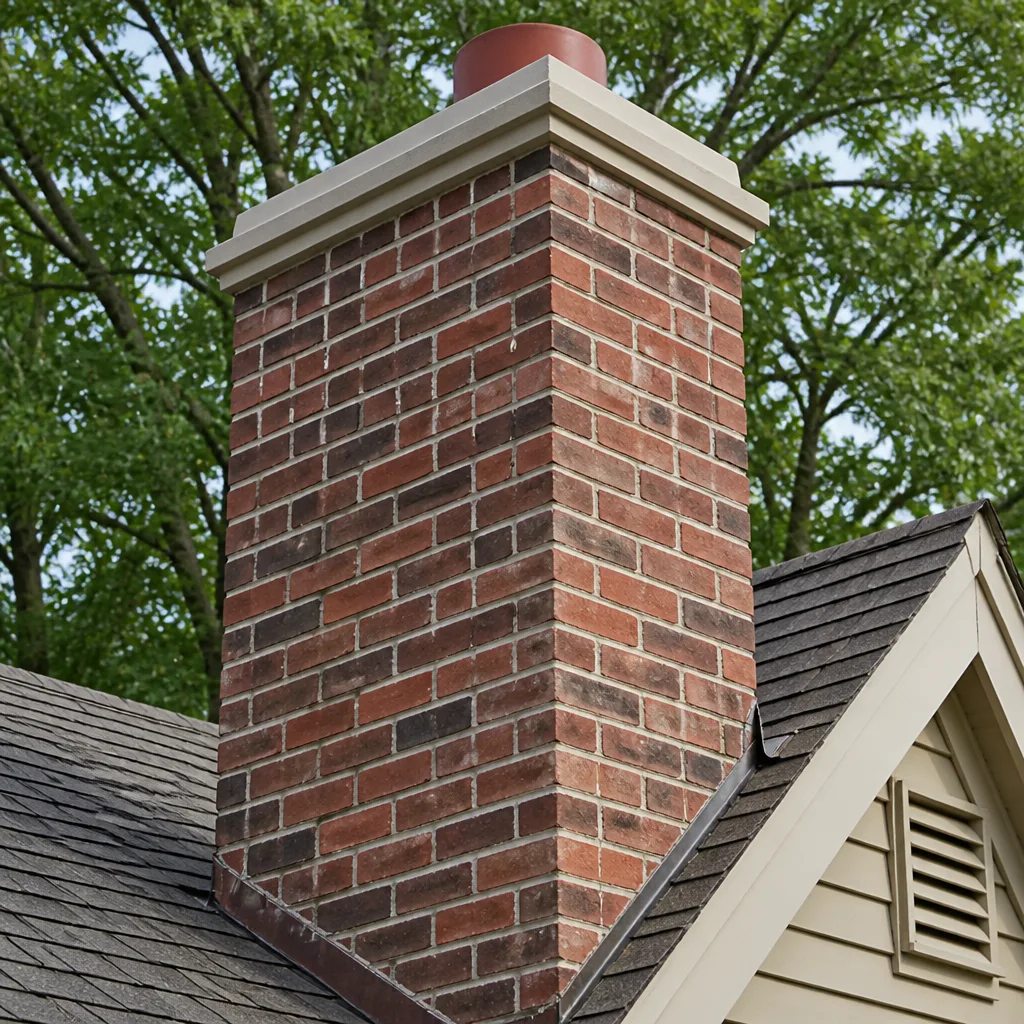 Masonry repair
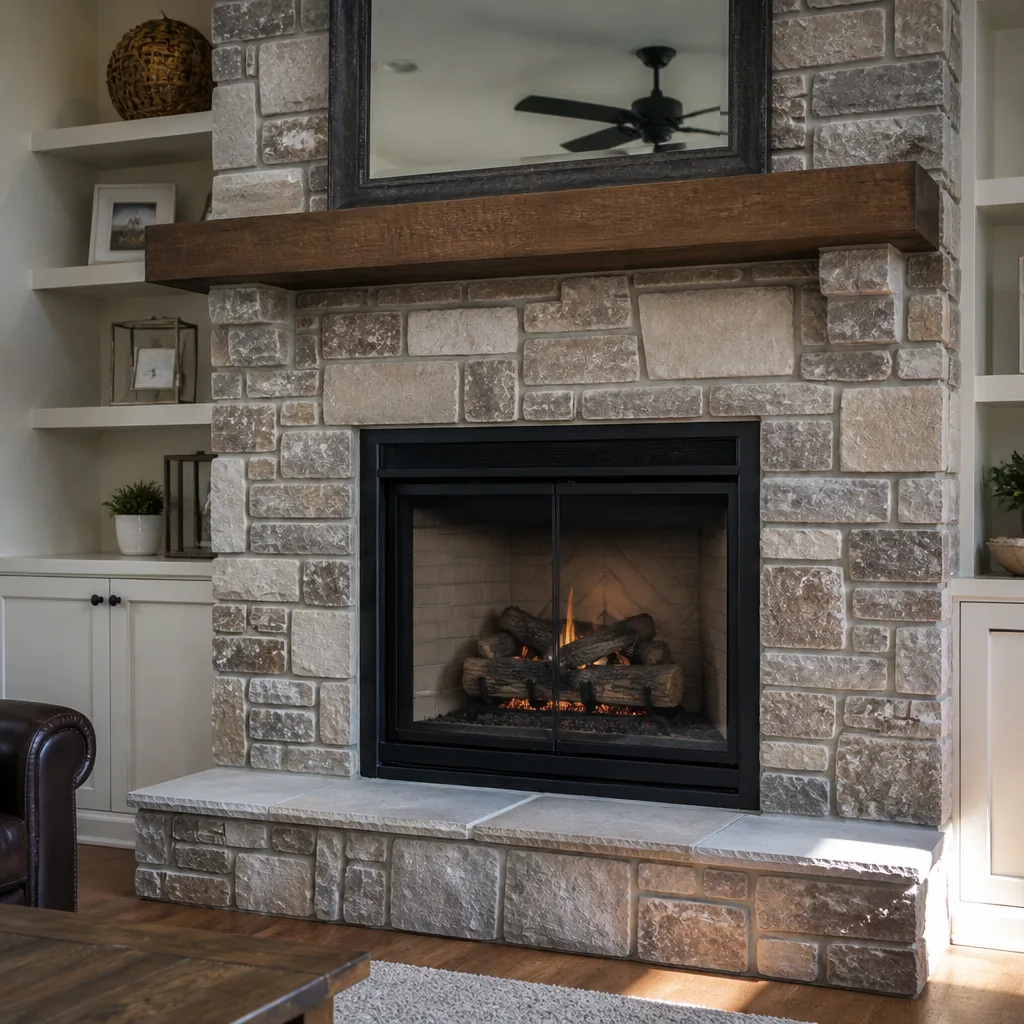 Gas fireplace service
Level 1 sweep and inspection to the NFPA 211 annual standard - flue, crown, cap, and flashing checked and photographed
Chimney sweep logs do not sweep chimneys. They loosen some creosote - which then falls where a brush and vacuum still have to collect it.
Chimney Cleaning Emergency Preparedness Guide for Orange Homes
Most chimney safety advice assumes the emergency is a chimney fire. In Orange, that assumption misses the bigger picture. The emergencies that actually catch homeowners off guard here are wildfire smoke events that force you to close and seal a chimney fast, and power outages that make an old, unused fireplace suddenly your only heat source. During the major California wildfire events of 2020 and 2021, homeowners across Southern California found their dampers rusted open or broken exactly when they needed to shut them. This guide covers how to prepare your chimney for those real scenarios in Orange, what to check before an emergency arrives, and when to stop and call a professional.
Quick Answer
Emergency chimney preparedness in Orange means three things: keeping your damper working so you can close the flue during a smoke event, knowing how to temporarily seal an unused chimney without creating a fire or carbon monoxide hazard, and having your chimney inspected before an outage forces you to burn wood in a flue that hasn’t been checked. A structurally sound, clean, properly capped chimney handles all three. A neglected one fails at the worst possible moment.
Styles & brands we work with
- Sweep & inspection
- Caps & crowns
- Flue relining
- Masonry repair
- Gas fireplace service
Table of Contents
- How to Seal a Chimney During a Wildfire Smoke Event
- Why Your Damper Is the First Thing to Check
- Is Your Fireplace Safe to Use During a Power Outage?
- Carbon Monoxide Risk During Emergency Use
- What Your Chimney Needs After Heavy Smoke Exposure
- The Orange Chimney Preparedness Checklist
- Why a Pre-Season Inspection Is Your Real Emergency Plan
How to Seal a Chimney During a Wildfire Smoke Event
When wildfire smoke fills the air over Orange, your chimney becomes a hole in the envelope of your house. Even with the damper closed, an old or poorly fitted damper leaks. Smoke finds its way in through gaps around the flue, and the smell lingers for days. Here’s how to think about sealing a chimney quickly and safely.
First, understand what you’re sealing. The flue is one opening, but the firebox, damper assembly, and any gaps at the smoke chamber are all part of the same path. Closing the glass doors on a fireplace helps, but it doesn’t seal the flue. The damper is your primary barrier, and if it’s stuck open or won’t seat, you need a temporary backup.
What works as a temporary seal:
- Foil tape over the firebox opening, applied to a clean, dry surface. This blocks the firebox mouth but not the flue above it. It is a short-term measure only.
- A snug-fitting firebox plug or inflatable flue blocker, if you already own one. These are made for this purpose and seat against the flue walls.
- Closing glass doors and sealing the gap with tape, then keeping interior doors to the room closed and running a HEPA purifier in the main living space.
What creates new hazards: never stuff insulation, rags, or plastic bags up into the flue. Those materials can ignite if the chimney is later used before they’re removed, and they’re difficult to retrieve. Never seal a chimney you plan to use for heat during the same event. And never block the flue on a gas appliance or furnace that vents through the chimney. That traps carbon monoxide in the home.
The permanent answer is a chimney cap and a damper that actually seats. A cap keeps rain, debris, and animals out year-round, and it slows smoke intrusion during events. If your damper is rusted, warped, or won’t close all the way, that’s a repair, not a seasonal inconvenience. In our experience, a damper that fails in a smoke event was already failing long before the smoke arrived.
Why Your Damper Is the First Thing to Check
Your damper is the single most important piece of hardware for everyday chimney control, and it’s the part most Orange homeowners never test until there’s a problem. A damper that works lets you close the flue when the fireplace is cold, keeping conditioned air in and outdoor air out. A damper that’s stuck open does the opposite: it lets smoke in during a wildfire event and lets your cooled air escape all summer.
How to test your damper in under a minute:
- Open the firebox doors and look up. Locate the damper handle or lever.
- Work it through its full range several times. It should move without grinding, sticking, or excessive force.
- Close it fully and look for daylight around the edges. Light coming through means it isn’t sealing.
- Look for rust, warping, or a damper that won’t stay in the closed position.
- Reach up carefully (gloves on) and check that the damper plate sits flat against its frame. A plate that hangs at an angle won’t seal.
Top-sealing dampers, which sit at the top of the flue rather than inside the firebox, are a common upgrade because they seal tighter and keep animals and weather out. If your damper is beyond repair, replacing it is a modest job compared to the cost of smoke infiltration every fire season. We work with brands like Olympia Chimney for damper and top-sealing components because they’re built to seat correctly and stay seated.
Test your damper twice a year. Once before the burn season starts, and once more when fire season peaks and you may need to close it fast. If it fails either test, get it looked at before the next smoke event, not during one.
Is Your Fireplace Safe to Use During a Power Outage?
A fireplace that hasn’t been used in years can be dangerous to fire up during a power outage, when your furnace, space heaters, and fans are all dead and you’re tempted to burn whatever’s on hand. The honest answer: it depends entirely on the condition of the flue, the firebox, and the chimney structure. None of which you can assess from the living room.
Here’s what to check before burning in an outage, and be honest with yourself about which ones you can’t verify:
- The flue is clear. Animal nests, leaf litter, and soot buildup can be present even in a chimney that looks fine from below. You cannot see the top of the flue from the firebox.
- The damper opens fully. A partially stuck damper sends smoke into the room instead of up the flue.
- The firebox has no cracked masonry. Cracks let heat reach framing and can start a fire inside the wall.
- The smoke chamber and flue liner are intact. A cracked or missing liner lets heat and carbon monoxide into the structure of the house.
- The chimney crown and cap are in place. A missing cap means water, animals, and debris are already inside.
If you can’t verify all five, the safe move during an outage is to use a battery-powered space heater, blankets, and a sealed room rather than lighting a fire in a chimney you’re not sure about. Wood heat is real heat, but an unsafe flue is a carbon monoxide source inside your home, not a rescue.
The way to avoid this dilemma entirely is a professional chimney inspection before fire season. An inspection confirms the chimney is safe to use before the grid goes down, so a power outage never forces you to gamble on an unverified fireplace.
Carbon Monoxide Risk During Emergency Use
Carbon monoxide is colorless and odorless, which is why the risk during emergency chimney use is so easy to miss. When a chimney drafts correctly, combustion gases go up and out. When it doesn’t, they come back into the room. The conditions in Orange that create backdraft and poor draft are specific, and they show up most often during emergency use.
What causes backdraft in an unmaintained chimney:
- A blocked or partially blocked flue. Soot, creosote, nests, or a collapsed liner section restrict flow, so smoke has nowhere to go but into the room.
- A cold flue. An unused chimney is cold, and cold air sinks. Warming the flue before lighting a fire helps, but a cold, oversized flue can still draft poorly.
- Negative pressure in the house. Kitchen exhaust fans, bathroom fans, and a tightly sealed home pull air from wherever it can, including down the chimney.
- A chimney that’s shorter than the surrounding roofline, which in Orange’s varied roof profiles is more common than homeowners expect.
How to recognize backdraft in real time: smoke rolling out of the firebox instead of going up, a fire that’s hard to keep lit, soot stains appearing around the firebox mouth, and a stuffy, heavy feeling in the room. Those are your cues to put the fire out and open a window. A carbon monoxide alarm is not optional in a home that uses a fireplace, and it should be on every level of the house, especially near bedrooms.
If anyone in the home develops headache, dizziness, nausea, or confusion while a fire is burning, get everyone outside and call 911. Do not try to diagnose it from inside. Once everyone is safe, that chimney needs a professional inspection and a documented reason before it’s used again.
What Your Chimney Needs After Heavy Smoke Exposure
After a heavy wildfire smoke event, your chimney needs more than a sweep. Smoke carries fine particulates and acidic compounds that settle on the flue walls, the smoke chamber, and the damper. Over time those deposits corrode metal components and degrade masonry, even in a chimney that wasn’t used for burning.
What we check after smoke exposure:
- The damper and its frame. Smoke residue accelerates corrosion on damper hinges and seats. A damper that worked before the event may not seat as tightly after.
- The smoke chamber and flue walls. Soot and acidic deposits need to be removed before they bond to the surface.
- The cap and crown. Ash and debris accumulate on top and can block the flue opening or crack the crown.
- The firebox and surround. Residue on masonry surfaces, especially porous materials, needs cleaning to prevent staining and long-term deterioration.
Here’s the point most homeowners miss: even a chimney that wasn’t used during the smoke event needs attention. Unburned deposits from wildfire smoke are corrosive, and they sit in the same places creosote does. Left alone, they shorten the life of the flue liner and the metal components of the damper assembly. A post-event inspection and cleaning is the difference between a chimney that’s ready for the burn season and one that’s quietly deteriorating.
For masonry that’s already deteriorated from smoke exposure or years of neglect, we use HeatShield resurfacing, which restores a damaged flue without full reliner replacement in many cases. That’s a repair option most sweep-only companies can’t offer, and it’s worth asking about if an inspection finds surface damage rather than structural failure.
The Orange Chimney Preparedness Checklist
Run through this once before fire season and once before the burn season. It takes about 20 minutes and gives you a clear picture of where your chimney stands.
- Test the damper through its full range and confirm it seats. Look for light around the edges when closed.
- Look up the flue from the firebox. Any daylight coming through the flue walls means a crack or gap. Note it and stop there; don’t use the fireplace until it’s checked.
- Check the firebox for cracked masonry, loose mortar joints, or gaps where the firebox meets the facing.
- Confirm the chimney cap is in place and intact. A missing cap is one of the most common issues we find on Orange-area chimneys.
- Look at the crown from the ground. Cracks, crumbling edges, or a crown that’s pulling away from the flue all signal water intrusion risk.
- Test every carbon monoxide alarm in the home and confirm there’s one on every level.
- Note any signs of creosote buildup on the flue walls: a flaky, glazed, or heavy soot layer. Creosote is the fuel for chimney fires, and a heavy buildup means the chimney needs a chimney sweep before it’s used.
- Write down what you find and date it. That record helps a professional inspection and gives you a clear before-and-after picture.
Anything on this list that fails is either a repair or a reason to stop using the fireplace. A stuck damper, a cracked firebox, or a missing cap are all fixable, and none of them should wait until an emergency forces the issue.
Why a Pre-Season Inspection Is Your Real Emergency Plan
The best chimney emergency plan is the one you never need to execute. A professional inspection before fire season and before the burn season confirms your damper works, your flue is clear, your liner is intact, and your cap and crown will keep the weather out. That way, when a smoke event rolls into Orange, you close the damper and it closes. When the power goes out, you light a fire with confidence instead of a gamble.
Our inspection includes a camera inspection of the flue and a photo report you can see for yourself. We diagnose first, then recommend. If the chimney can safely wait, we say so. If it needs a sweep, we do the sweep. If it needs repair, we do the repair. That’s the single-source model: the same company that inspects your chimney is the one that fixes it.
We install DuraFlex flexible liner systems where rigid liners can’t go, use HeatShield for resurfacing work on damaged flues, and work with cap and crown components from names like Olympia Chimney, Famco, and Copperfield. That’s a range of options most sweep-only companies can’t offer, and it means a repair recommendation comes with an actual material choice rather than a one-size-fits-all answer.
For firebox and damper repairs, we handle fireplace repair as part of the same visit. For structural issues in the chimney itself, we handle chimney repair with the same team. One call covers inspection through repair and finishing.
Common Mistakes to Avoid
- Never sealing the flue with flammable materials. Insulation, rags, and plastic bags stuffed into a flue can ignite if the chimney is used later, and they’re hard to remove. Use purpose-made blockers or foil tape at the firebox only.
- Assuming a cold chimney drafts fine. An unused, cold flue drafts poorly, especially in Orange’s mild climate where chimneys sit idle for long stretches. Backdraft is a real risk on the first fire of the season.
- Burning wood in an uninspected chimney during an outage. If you can’t verify the flue is clear and the firebox is intact, don’t light the fire. Use another heat source and keep the room sealed.
- Ignoring smoke exposure on a chimney you didn’t use. Wildfire smoke leaves corrosive deposits even in a cold chimney. A chimney that sat out the event still needs a post-event inspection.
- Skipping the cap and crown. Many Orange homeowners have a cap that’s missing or a crown that’s cracked and never noticed. Both let water in, and water is the long-term enemy of every chimney.
- Testing the damper only once. Dampers fail slowly and then suddenly. Test twice a year: before burn season and before peak fire season.
- Using a fire to “test” a questionable flue. If you have doubts about the flue, a fire is the wrong way to find out. Schedule an inspection.
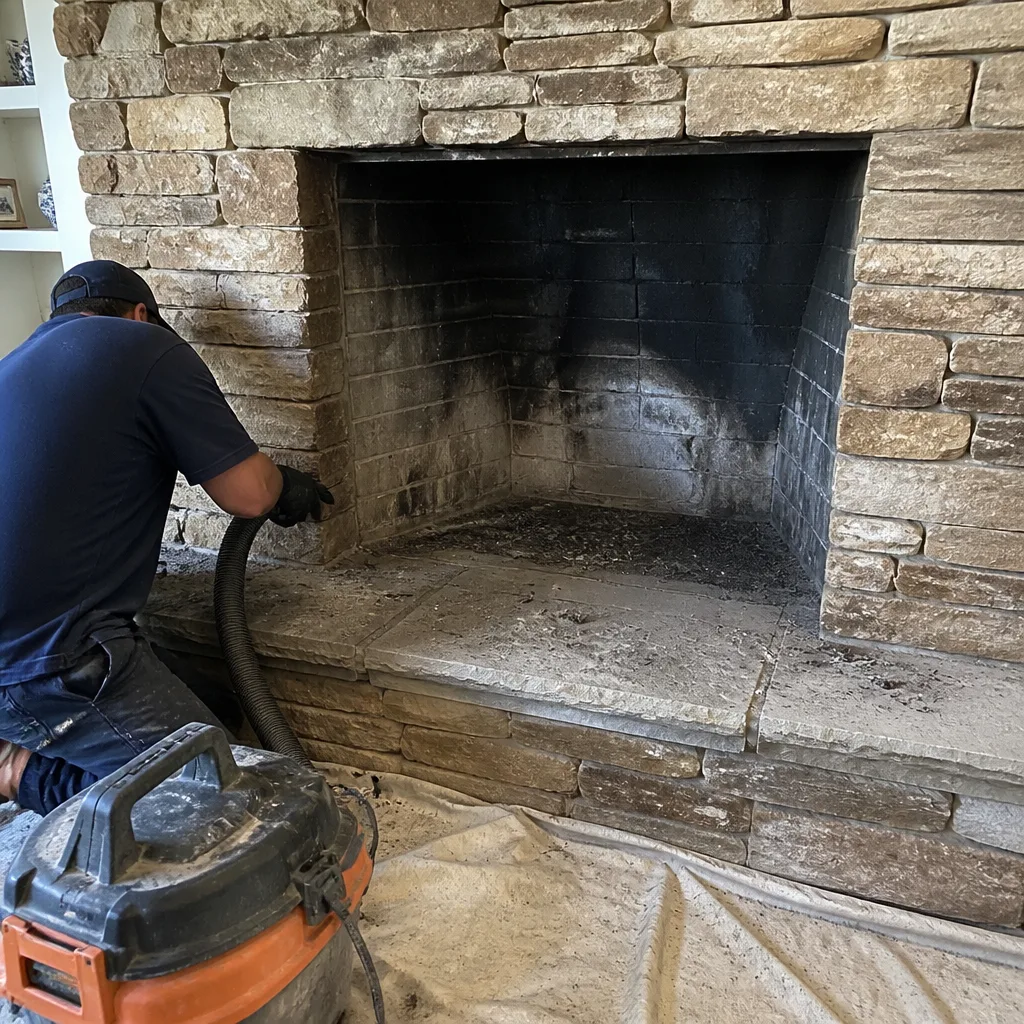
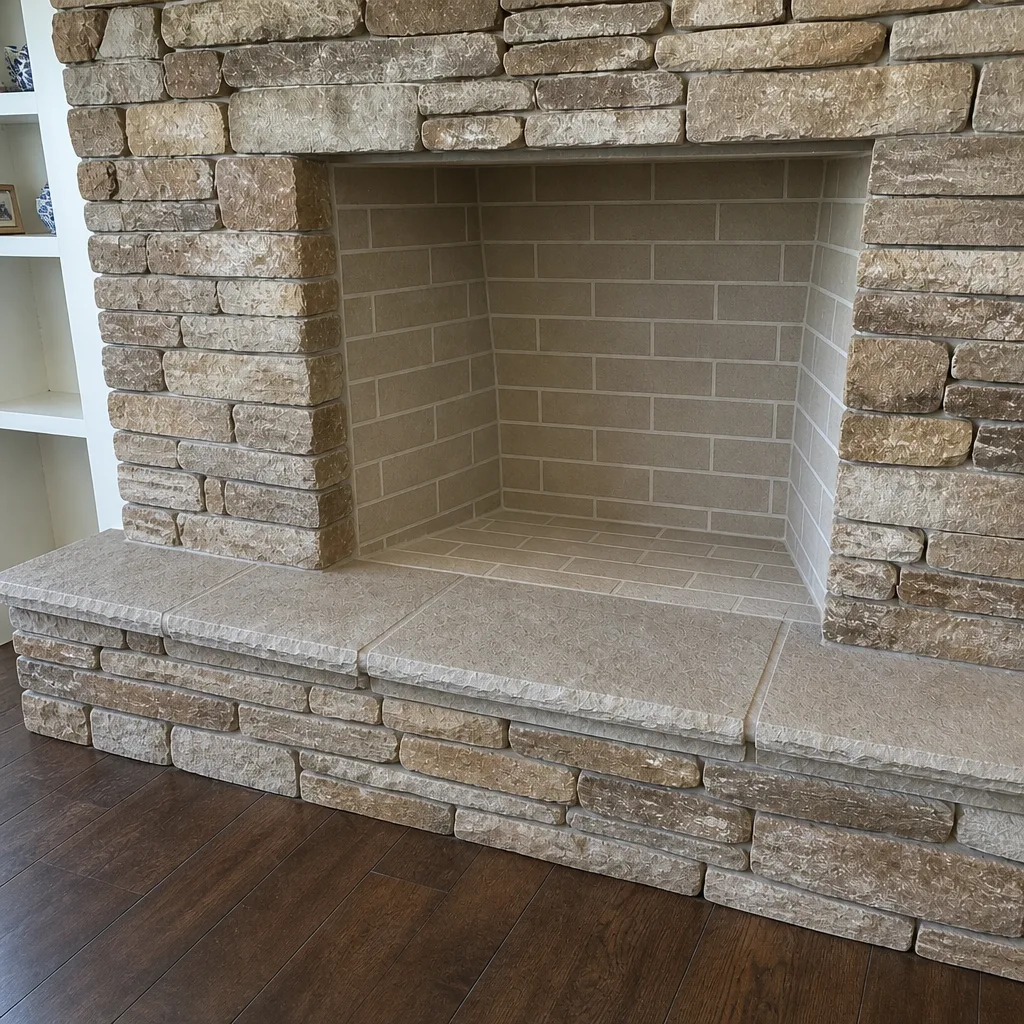
See the difference
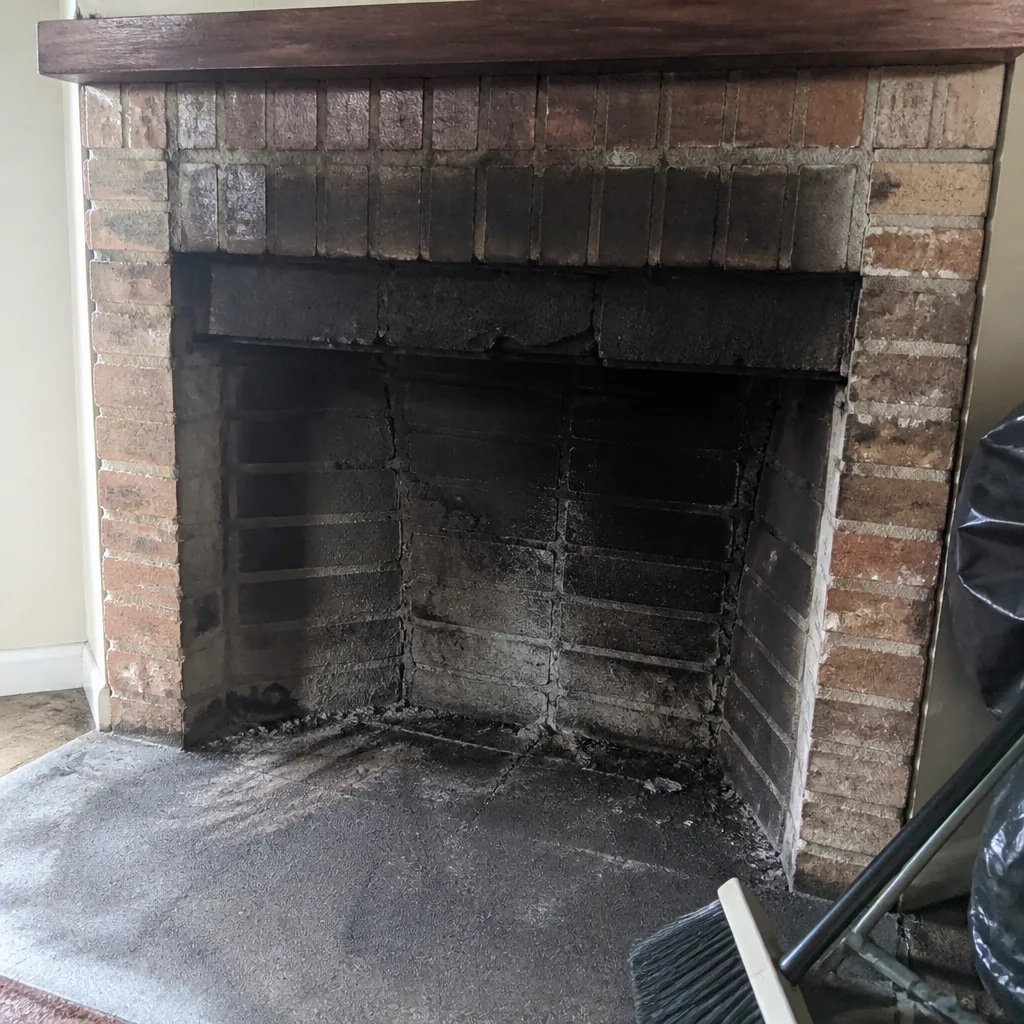 Before
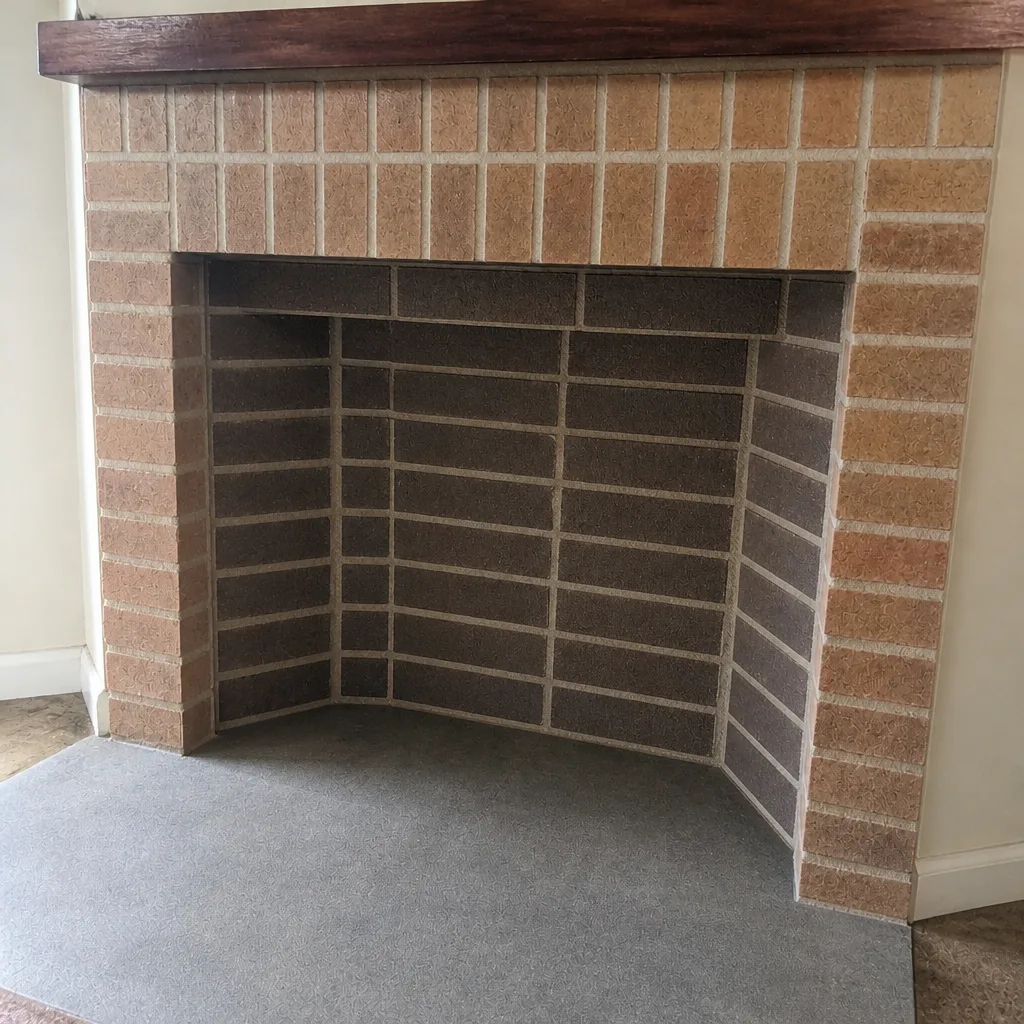 After
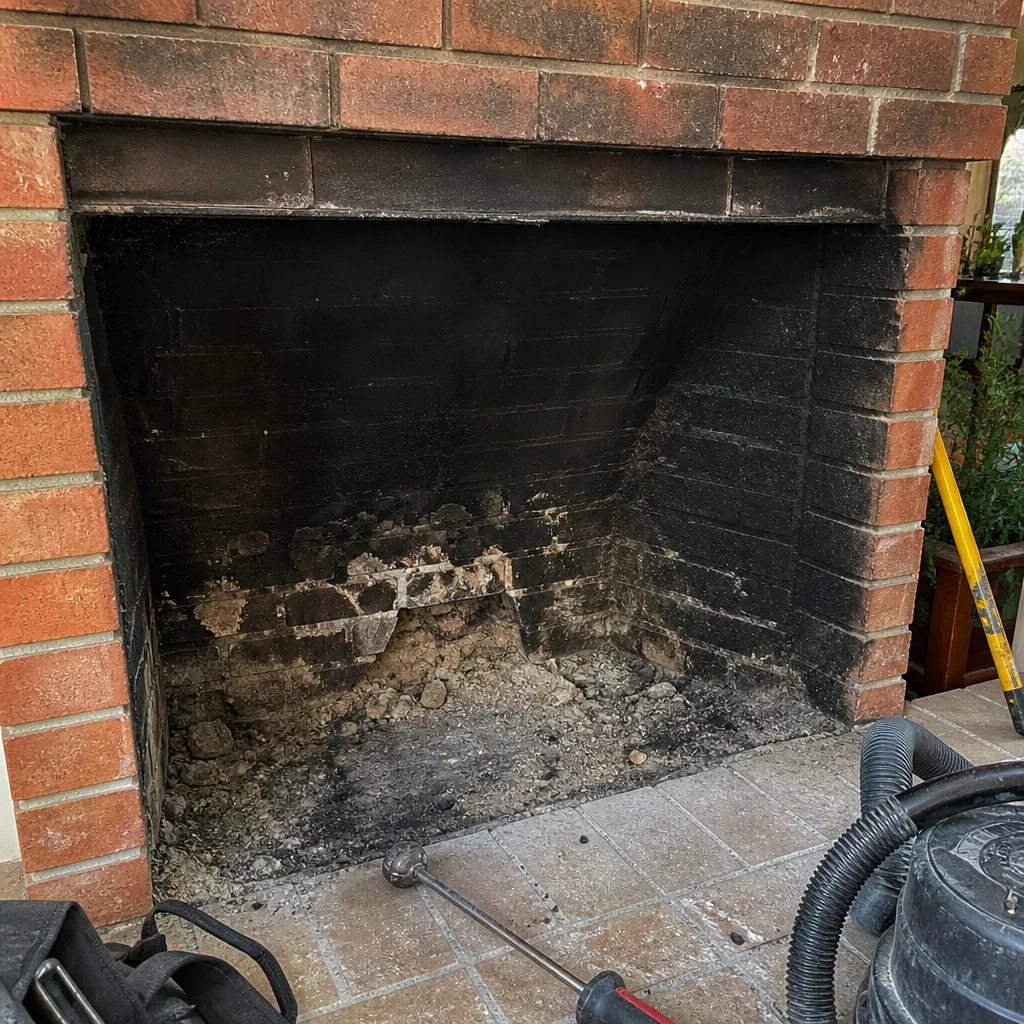 Before
 After
 Before
 After
When to Call a Professional
Call a professional when anything on your preparedness checklist fails, when your damper won’t close, when you see daylight through the flue walls, when your cap or crown is damaged, or when you notice heavy creosote buildup. Call if your chimney has sat unused for more than a season, or if it was exposed to heavy wildfire smoke. Call if anyone in the home has had a carbon monoxide scare, and call before you use a fireplace that hasn’t been inspected. Chimney Sweep Orange offers free estimates in Orange. Call (833) 468-2987 to get your chimney inspected before fire season and before the burn season, so an emergency never catches you without a plan.
Frequently Asked Questions
Close the damper fully, seal the firebox opening with foil tape or a purpose-made flue blocker, close the glass doors, and run a HEPA purifier in your main living space. Never stuff insulation or plastic into the flue, and never block the flue of a gas or furnace vent that runs through the chimney. Call (833) 468-2987 if your damper won’t seat, because a failed damper is the most common reason smoke gets in.
No, not safely. An uninspected chimney may have a blocked flue, a cracked firebox, or a failing liner, and burning in it can send carbon monoxide into the home. Use a battery-powered heater or blankets instead, and get the chimney inspected before the next outage. Call (833) 468-2987 for a free estimate on an inspection in Orange.
Backdraft happens when the flue is blocked, the chimney is cold, the house is under negative pressure from exhaust fans, or the chimney is too short for the roofline. Signs include smoke rolling into the room, a fire that’s hard to keep lit, and soot around the firebox. If you see those, put the fire out and call a professional.
Usually yes. Wildfire smoke leaves corrosive deposits on the flue walls and damper even in a cold chimney, and those deposits shorten the life of the liner and metal components. A post-event inspection tells you whether a cleaning is needed and confirms nothing structural was damaged. Call (833) 468-2987 to schedule one in Orange.
Once a year, plus a post-event inspection after any heavy smoke exposure or a prolonged unused period. Orange’s mild winters mean chimneys can sit idle for long stretches, which makes a pre-season inspection more important, not less. A camera inspection and photo report show you exactly what’s going on inside the flue.
Get it repaired or replaced before fire season. A damper that won’t close lets smoke in during a wildfire event and lets conditioned air out the rest of the year. Replacement is a modest repair compared to smoke infiltration, and top-sealing dampers are a common upgrade. Call (833) 468-2987 for a free estimate.
The Bottom Line
Chimney emergency preparedness in Orange comes down to three habits: test your damper twice a year, get your chimney inspected before fire season and before the burn season, and never light a fire in a flue you can’t verify. The emergencies that actually catch Orange homeowners off guard aren’t chimney fires. They’re smoke events where the damper won’t close and outages where the fireplace hasn’t been checked in years. A working damper, a clear flue, an intact cap and crown, and a camera inspection on file turn both scenarios into a non-event. One call covers inspection, cleaning, repair, and protective finishing, so you’re ready before the emergency arrives.
Call (833) 468-2987. We answer 24/7. Fast dispatch from 7am to 7pm, Sunday through Friday. Estimates are free, and the written estimate sets the final price.
Ready to get your chimney prepared? Start with Chimney Sweep Orange for a free estimate on inspection, cleaning, and repair across Orange.
Written by the team at Chimney Sweep Orange.