
Last updated November 25, 2026
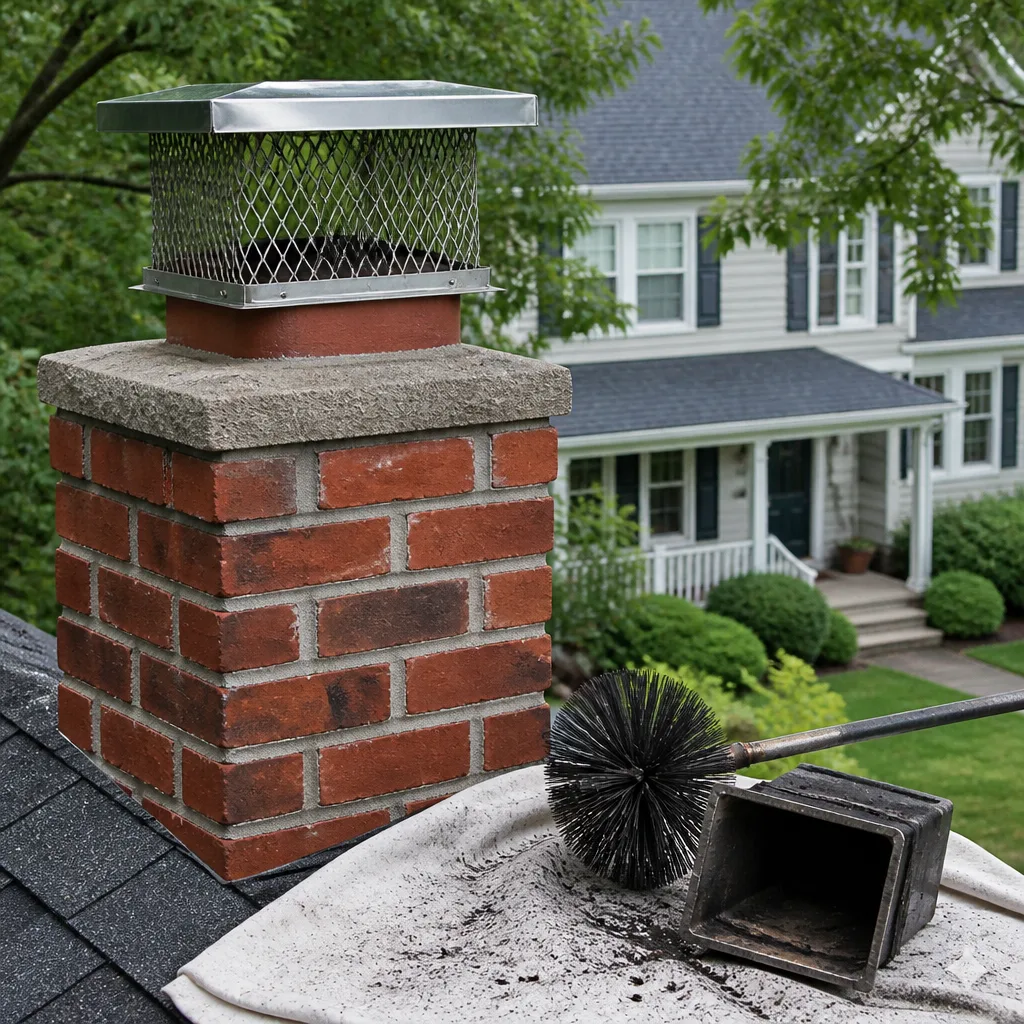 Sweep & inspection
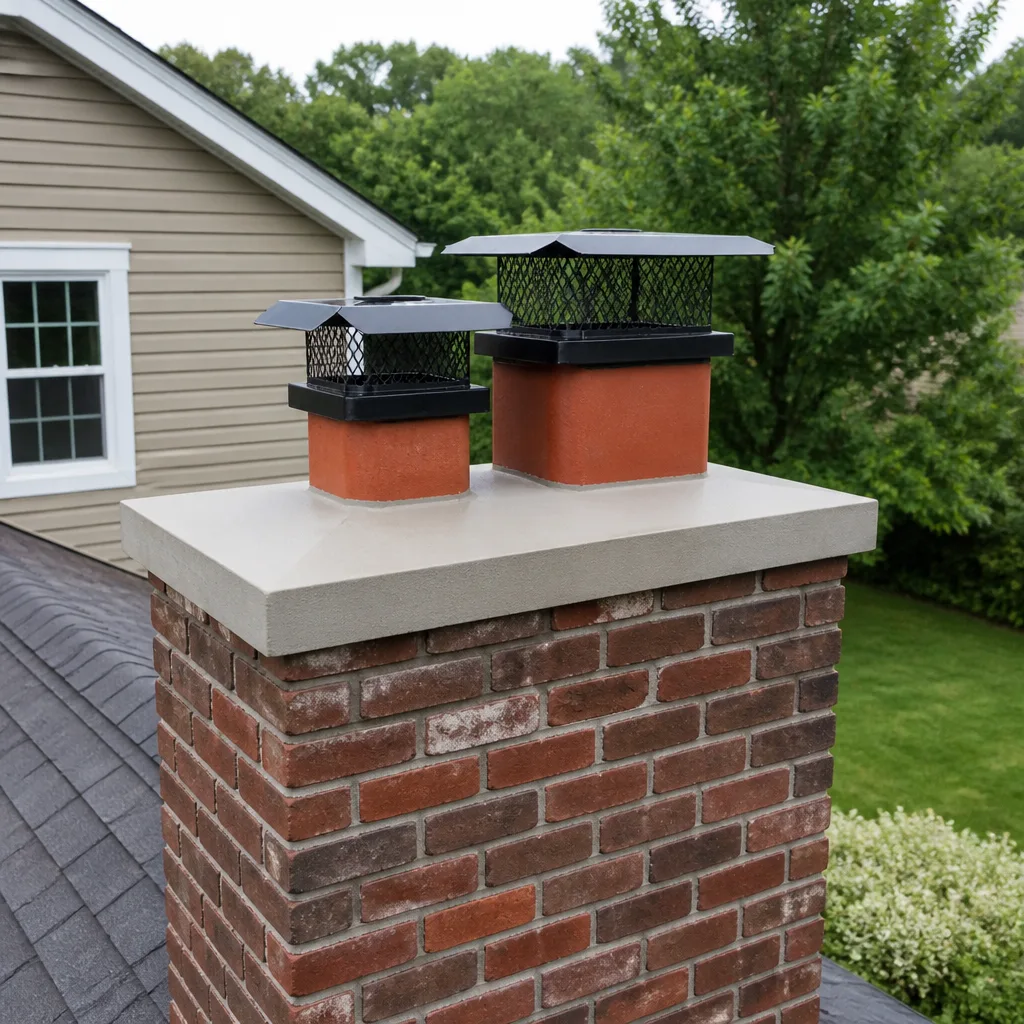 Caps & crowns
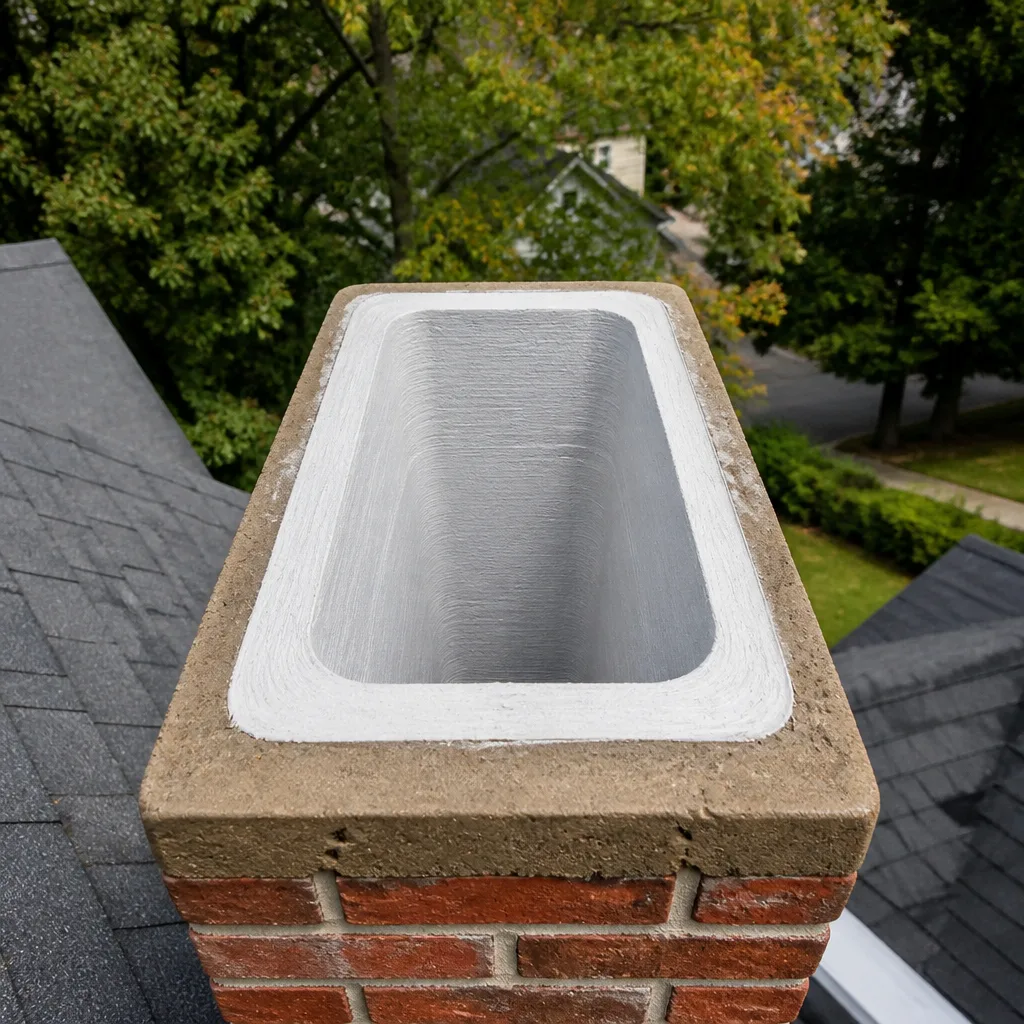 Flue relining
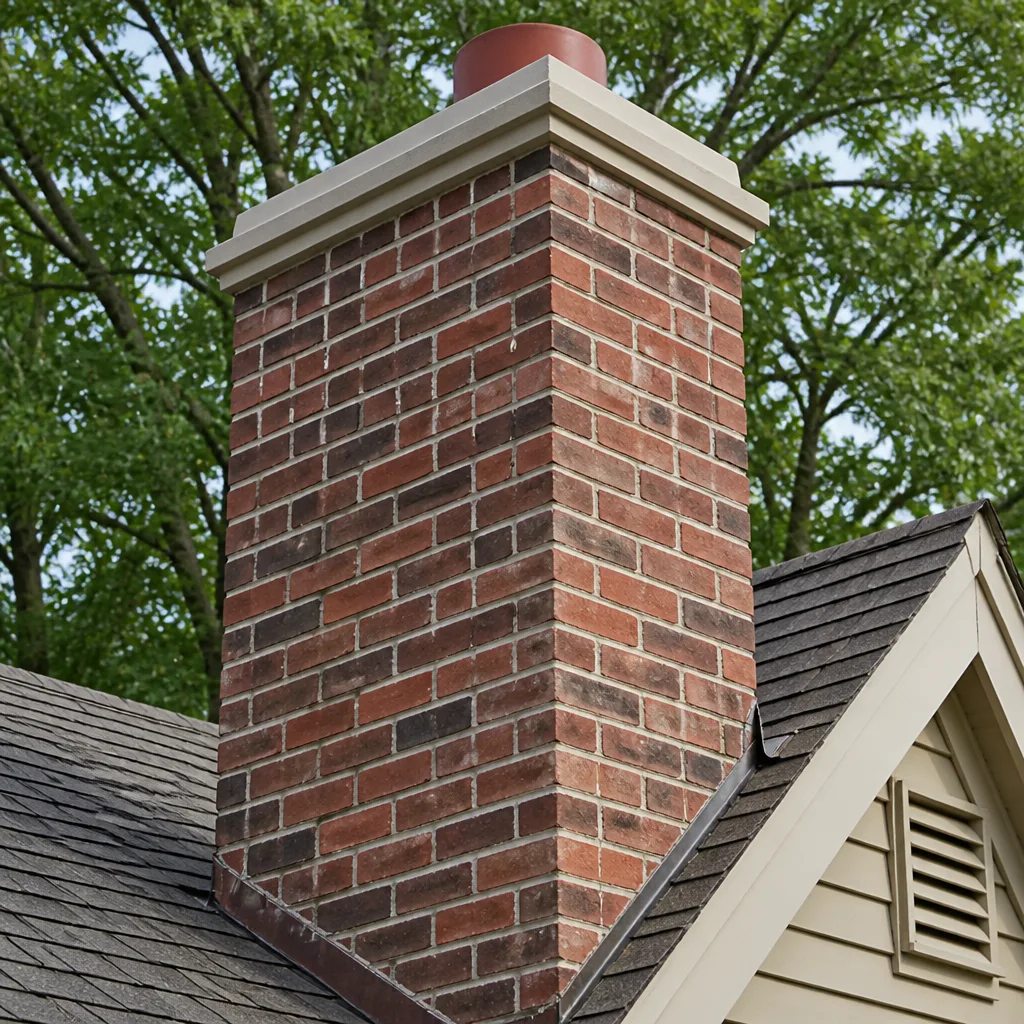 Masonry repair
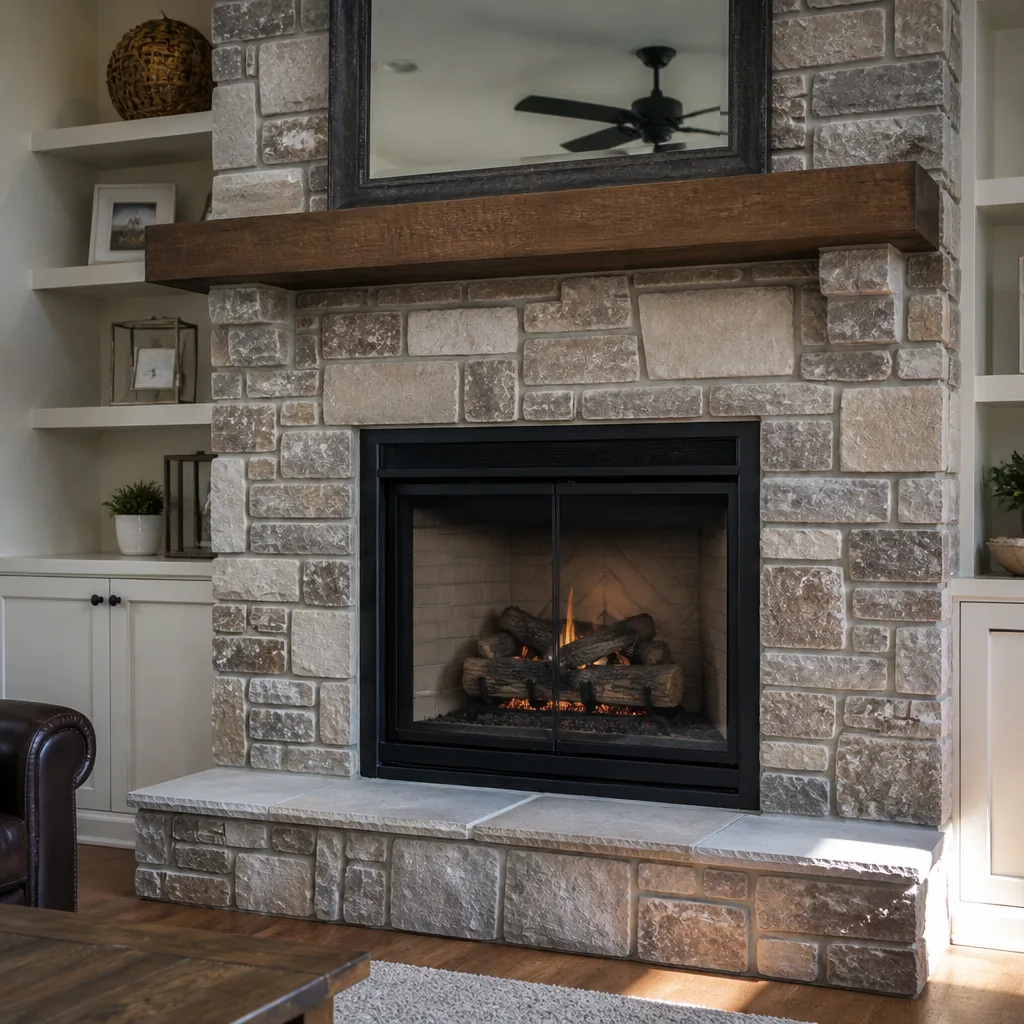 Gas fireplace service
Level 1 sweep and inspection to the NFPA 211 annual standard - flue, crown, cap, and flashing checked and photographed
Chimney sweep logs do not sweep chimneys. They loosen some creosote - which then falls where a brush and vacuum still have to collect it.
DIY vs Professional Chimney Cleaning: The Orange Homeowner’s Decision Guide
A $40 chimney brush kit from a big-box store will absolutely remove loose, powdery soot from a flue. That part is true, and we won’t pretend otherwise. But here’s the misconception that trips people up: the debate isn’t really about whether you’re brave enough to climb onto your roof. It’s about whether you can tell what you’re looking at once you’re up there. Most homeowners can’t distinguish a harmless Stage 1 dusting from the early glaze of Stage 2 creosote, and those two deposits demand completely different processes. This guide maps that competency boundary for Orange homeowners, so you can decide with clear eyes what belongs in your hands and what belongs with a trained technician.
Quick Answer
DIY chimney cleaning is only appropriate when your flue contains light, powdery Stage 1 soot and nothing else, which a homeowner can remove with a brush. Professional cleaning is the right call the moment there’s any chance of glazed Stage 2 or hardened Stage 3 creosote, any sign of liner or smoke chamber damage, or any gas appliance work, because the correct tool and the correct judgment come from someone who inspects flues for a living. In practice, most Orange homeowners should book a professional sweep and inspection first, then decide whether light seasonal upkeep between visits is worth doing themselves.
Styles & brands we work with
- Sweep & inspection
- Caps & crowns
- Flue relining
- Masonry repair
- Gas fireplace service
Table of Contents
- The Three Stages of Creosote and Why Only One Is DIY-Friendly
- What a Brush Kit Can and Can’t Do That a Pro System Can
- The Inspections That Require a Trained Technician
- Gas Fireplace Upkeep: DIY Pilot Care vs Professional Service
- Why Orange’s Short Burn Season Makes Visual Confidence Risky
- A Step-by-Step Decision Process for Orange Homeowners
- Common Mistakes to Avoid
- When to Call a Professional
The Three Stages of Creosote and Why Only One Is DIY-Friendly
Creosote is the residue left behind when wood smoke cools on its way up the flue, and it doesn’t form all at once. It builds in recognizable stages, and each stage looks, feels, and behaves differently. Knowing these three stages is the entire foundation of deciding what you can safely clean yourself.
Stage 1: Fluffy, Powdery Soot
Stage 1 is the light, dry, flaky deposit that coats the inside of the flue after a season of normal burning. It looks like gray-black dust or thin soot. Rub it between gloved fingers and it crumbles. A stiff chimney brush removes it cleanly. This is the only stage a homeowner should ever attempt to brush, and even then, only after a professional inspection has confirmed the flue is otherwise sound.
Stage 2: Glazed and Flaky Creosote
Stage 2 creosote is where the trouble begins. It’s a crusty, sometimes thin and shiny, sometimes crumbly deposit that has baked onto the flue walls through repeated heat cycles. Simple brushing may knock a little off the surface, but it won’t remove the layer. Stage 2 requires rotary cleaning equipment: a motorized spinning head with specialized chains or whips that scour the deposit off without damaging the flue lining. This is a job for a trained technician, not a hand brush.
Stage 3: Hard, Heavy, Fuel-Rich Deposit
Stage 3 is the worst case. It’s a dense, hard, tar-like layer that behaves like solid fuel. When it catches, it burns hot and long. It’s the root of serious chimney fires, and it can be so hard that removing it takes heavy rotary equipment, chemical treatment, or in some cases a full flue resurfacing. No homeowner should touch Stage 3. If you can see or feel anything that resembles glazed or tarred deposit, stop and call a professional.
When we inspect a flue, identifying the stage is the first job. If the deposit is Stage 1, we sweep and we’re done. If it’s Stage 2, we bring out the rotary system. If it’s Stage 3 or close to it, we typically need to assess liner condition before we go further, because a deposit that severe often points to a lining that has been under stress.
What a Brush Kit Can and Can’t Do That a Pro System Can
Consumer brush kits and professional cleaning systems both involve scraping carbon off a flue, but the comparison ends there. On the surface it looks like the same job. In practice, they aren’t in the same category, and knowing the difference helps you choose correctly.
What a Consumer Brush Kit Handles
- Light Stage 1 soot from a modest burn season
- A flue with a straight, simple run and no significant offsets or shoulders
- Topping up between professional sweeps, in a flue already confirmed sound
- Cleaning out the firebox of loose ash and residue
What Professional Equipment Does That a Brush Kit Cannot
- Rotary cleaning heads. Spinning cable-driven heads with specialized chain whips remove Stage 2 and Stage 3 deposits that a hand brush can’t scrape. They also flex around offsets that would defeat a straight brush.
- Inspection cameras. A video camera run through the flue lets a technician see every inch of the liner, including the smoke chamber and the upper flue, where damage and deposit often hide.
- HEPA containment and vacuums. Industrial HEPA vacuums keep the workspace clean, keep soot out of the room air, and confine any looseness while the flue is open. Consumer brush kits rarely have a way to pull dust back toward the opening, so soot travels with the brush.
- Chemical treatments. Severe glazed deposits often need chemical reagents that a homeowner can’t buy or shouldn’t use without training. For flues that are structurally sound but internally deteriorated, we use HeatShield resurfacing as a proper repair step before we sweep again.
- Proper diagnostic sequencing. A technician confirms the liner and firebox are sound before cleaning. Cleaning a damaged flue first can make a crack worse or push loosened material where it shouldn’t go.
What this comes down to is judgment: the right tool won’t help if you can’t tell what you’re removing. A homeowner with a brush kit is essentially cleaning blind. A sealed, industrial-grade sweep follows inspection, so the cleaning step matches what the flue actually has.
The Inspections That Require a Trained Technician
Sweeping and inspection are two different functions, and only one of them is a reasonable homeowner task. Cleaning removes deposit. Inspection evaluates condition, and condition is where the money, the safety, and the honest recommendation live.
Liner Condition
The liner is the flue-side wall that shields the chimney structure from heat and combustion products. Cracks, spalling, separation, and gaps at joints are common and mostly invisible from below. A technician inspects the liner with a camera and a light, documents what it looks like, and can show you the footage. This is also where the decision between a repair and a reline gets made. If the liner is deteriorated but the surrounding structure is intact, we can use HeatShield resurfacing to restore the flue without full reliner replacement. If the liner itself has failed, we turn to DuraFlex flexible liner systems, which are built for real-world chimney configurations where a rigid liner won’t go.
Smoke Chamber Parging
The smoke chamber is the transition space above the firebox where smoke collects and turns upward. Its walls should be smooth and proud of the damper. If they’re rough, eroded, or coated with Stage 2 or 3 deposit, smoke doesn’t flow cleanly and creosote accumulates faster than it should. Parging repairs the surface, and it’s a repair most homeowners can’t reasonably perform.
Firebox Structural Assessment
The firebox takes the most heat of any component in the system. Brick spalling, mortar joint erosion, and cracked refractory panels are all common, and they’re signs of a system under stress. We assess firebox condition on every inspection, because what happens in the firebox frequently explains what happened in the flue.
This is the level of assessment an inspection is for. If you sweep your own flue for a couple of seasons and never look inside with a camera, you’re only doing half of what the chimney needs. Our technicians have up to 14 years of experience reading these signals, and that’s why we lead every job with diagnosis first. If the inspection finds repairs, we can handle them, because we’re a chimney specialist rather than a sweep-only crew.
Gas Fireplace Upkeep: DIY Pilot Care vs Professional Service
Gas fireplaces change the DIY math. The flue stays cleaner, but the appliance is more delicate, and the DIY work that’s safe to do is much narrower than most homeowners assume.
What a Homeowner Can Reasonably Do
- Read the manual and follow the manufacturer’s cleaning schedule
- Wipe down the glass and exterior surfaces with a manufacturer-approved cleaner
- Dust off the outer surrounds and check for obvious soot streaks
- Confirm the pilot is lit and note whether the flame is steady and blue
- Keep the vent area outside the chimney free of debris and nesting material
What Professional Gas Service Covers
- Combustion analysis to confirm the appliance is burning cleanly and venting correctly
- Inspection of the venting system, including any liner or termination cap
- Cleaning of the burner ports and heat exchanger surfaces per the manufacturer’s spec
- Check of the gas connections and safety shutoff function
- Carbon monoxide verification, which is where gas work gets serious
The carbon monoxide point deserves a plain sentence: gas appliances can produce CO when they aren’t burning or venting correctly, and those failures often don’t produce a visible sign. That’s why we recommend professional service for gas appliances rather than encouraging DIY hands-on care. The right answer for a gas fireplace is professional service on the manufacturer’s schedule, plus simple homeowner maintenance of what’s visible and safe to touch.
Why Orange’s Short Burn Season Makes Visual Confidence Risky
Orange winters are mild. Many homeowners burn wood fewer than sixty evenings a season, and quite a few burn only a dozen. It’s easy to look at a lightly used firebox, see little soot, and assume the flue is fine. The mild climate here is exactly why that assumption is worth double-checking.
Deposit forms where smoke cools, and smoke cools wherever the flue is cooler than the smoke, not just where the fire was hottest. In an Orange home with a short burning season, a fireplace that gets used on a handful of chilly nights can still leave a cool upper flue and a ridge of Stage 2 deposit where the smoke lingers. Warm, dry conditions make the firebox look clean, so annual visual confidence becomes less reliable here than in colder regions. The homeowner who burns lightly for two seasons and skips a professional sweep entirely can end up with more deposit than expected, deep in the flue and out of sight.
That’s why we treat the annual sweep in Orange as a baseline, not as a response to a visible problem. Proper professional cleaning catches what a homeowner’s quick glance at the firebox cannot, because it looks at the whole flue, not just the part you can see. The mild local climate is also why we don’t get exercised about a little summer dust through the off-season. If a flue looks well-swept in spring, a second sweep before the next burn season is often optional, not urgent. A professional can tell you when work can safely wait, and we say so plainly when that’s the case.
We recommend professional inspection and sweeping once a year for a home that burns wood at all, plus extra attention after any season where you burned more than usual or noticed smoke backing into the room. The right schedule for your home depends on your habits, and the honest way to set it is with an inspection, not a guess.
A Step-by-Step Decision Process for Orange Homeowners
If you’re trying to decide right now whether to brush your own flue or call a professional, work through the following steps in this order. It keeps the decision grounded in what your chimney actually needs, rather than what you’d like it to need.
- Check your last professional inspection report. If you can’t find one, or if the last one is more than a year old, that’s your answer. Book an inspection before doing anything else.
- Look at the firebox and flue opening with a light. If you see only dry, fluffy gray-black dust, your flue may be a candidate for light upkeep. If you see shiny, crusty, or tar-like material, stop here and call a professional.
- Confirm the flue is sound before cleaning anything. A brush on a cracked liner can make the problem worse. If you don’t have a recent inspection, you don’t have confirmation.
- Book a professional sweep and inspection for the first clean of the season. This is the step that establishes what stage of deposit you have and what condition your flue is in.
- Ask for the camera footage. Any chimney professional should be able to show you what they see. If they can’t, find someone who can.
- Handle your own upkeep only in the confirmed Stage 1 flue. If the pro confirms a light deposit and a sound liner, brushing between visits is a reasonable seasonal task if you’re comfortable on a roof.
- Treat cap, crown, and liner work as preservation, not upsell. Water intrusion and liner damage cost far more to fix later than to protect against now. If we recommend a new cap or crown, we’ll show you the evidence that prompted it.
This is what Chimney Sweep Orange does every time. We inspect first, sweep what’s there, and recommend only what the inspection supports.
Common Mistakes to Avoid
- Cleaning a stage you can’t name. Plenty of homeowners brush a flue they believe is Stage 1 and are actually scraping the surface of Stage 2. If you can’t tell the difference, don’t trust the brush. The deposit you leave behind is what gets dangerous.
- Skipping inspection because the firebox looks fine. A clean firebox tells you almost nothing about the upper flue, the smoke chamber, or the liner. In Orange’s mild climate, that visual confidence is especially tempting and especially unreliable.
- Using candle wax or cardboard to “test” the draft after cleaning. The wax, the smoke, and the fire risk all stay in your home. Draft is checked with proper tools, from a safe position, by a technician.
- Brushing a gas-appliance vent like it’s a wood flue. Gas venting requires different cleaning and different inspection. Brushing it like a wood flue can damage the vent or skip the combustion check that matters for carbon monoxide.
- Climbing the roof without fall protection. A roof is a fall hazard, and a sweep on a ladder with a brush overhead is a bad combination. The professional system exists partly because the roof is the wrong place for a homeowner.
- Doing a full sweep and then not addressing a damaged cap or crown. A chimney that lets water into the flue is a chimney that will need repairs you didn’t plan for. Cap and crown work is preservation, not optional decoration.
- Assuming a short Orange burn season means skipping the annual sweep. Light use doesn’t eliminate deposit, especially in a longer, cooler portion of the flue. Skip the sweep and you may find out at the worst time.
When to Call a Professional
Call a professional before you ever touch a brush if any of these apply to your home.
- You can see shiny, crusted, or tar-like deposit in the firebox or at the flue opening
- You notice smoke backing into the room, a sluggish draft, or a stronger smell after use
- Your last inspection is more than a year old or you can’t find the report
- You have a gas fireplace and it’s due for its scheduled service
- You notice loose brick, eroded mortar, or missing cap or crown pieces
- You’re considering a fireplace change that affects the flue, or you’re buying or refinancing a home
Chimney Sweep Orange offers free estimates in Orange. Call chimney sweep at (833) 468-2987. We answer 24/7. Fast dispatch from 7am to 7pm, Sunday through Friday. The same visit covers inspection, sweeping, and, if needed, the right fireplace repair or chimney repair so you don’t have to call a second contractor.
See the difference
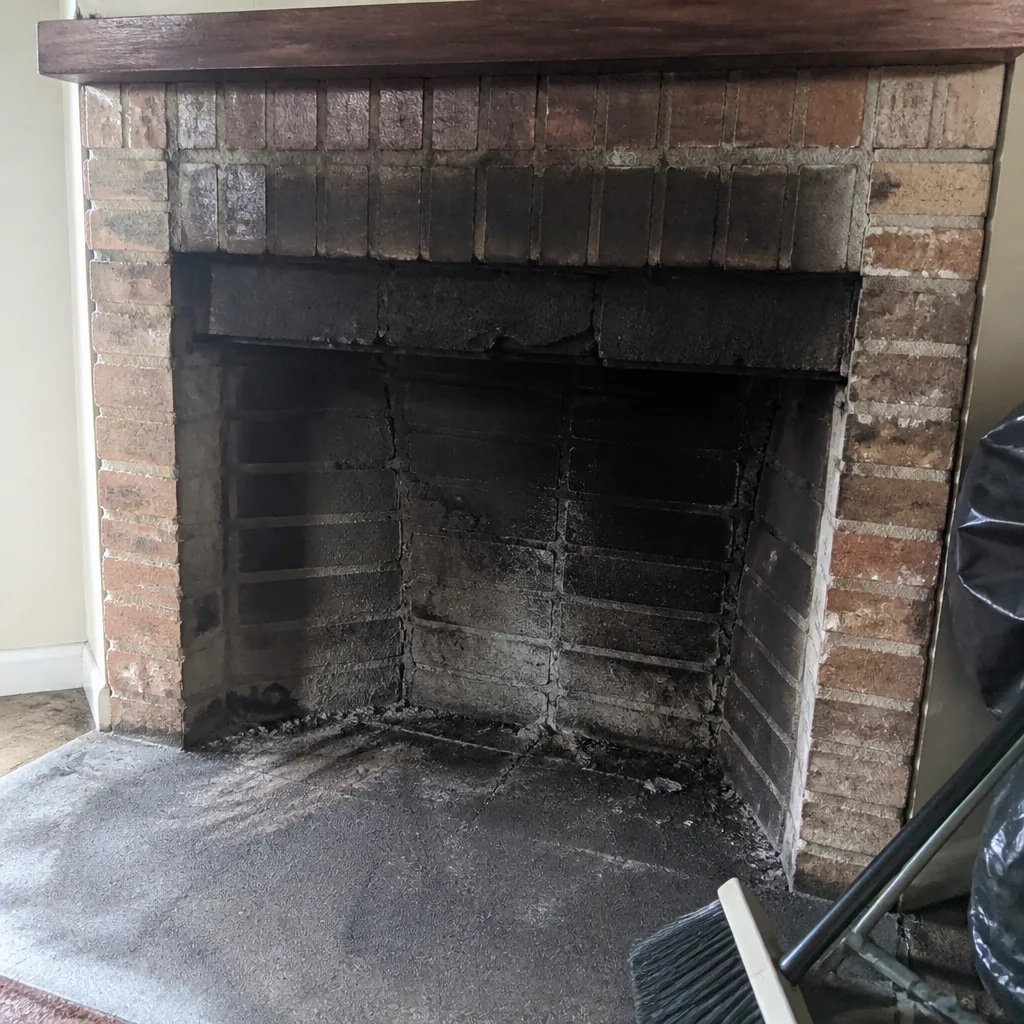 Before
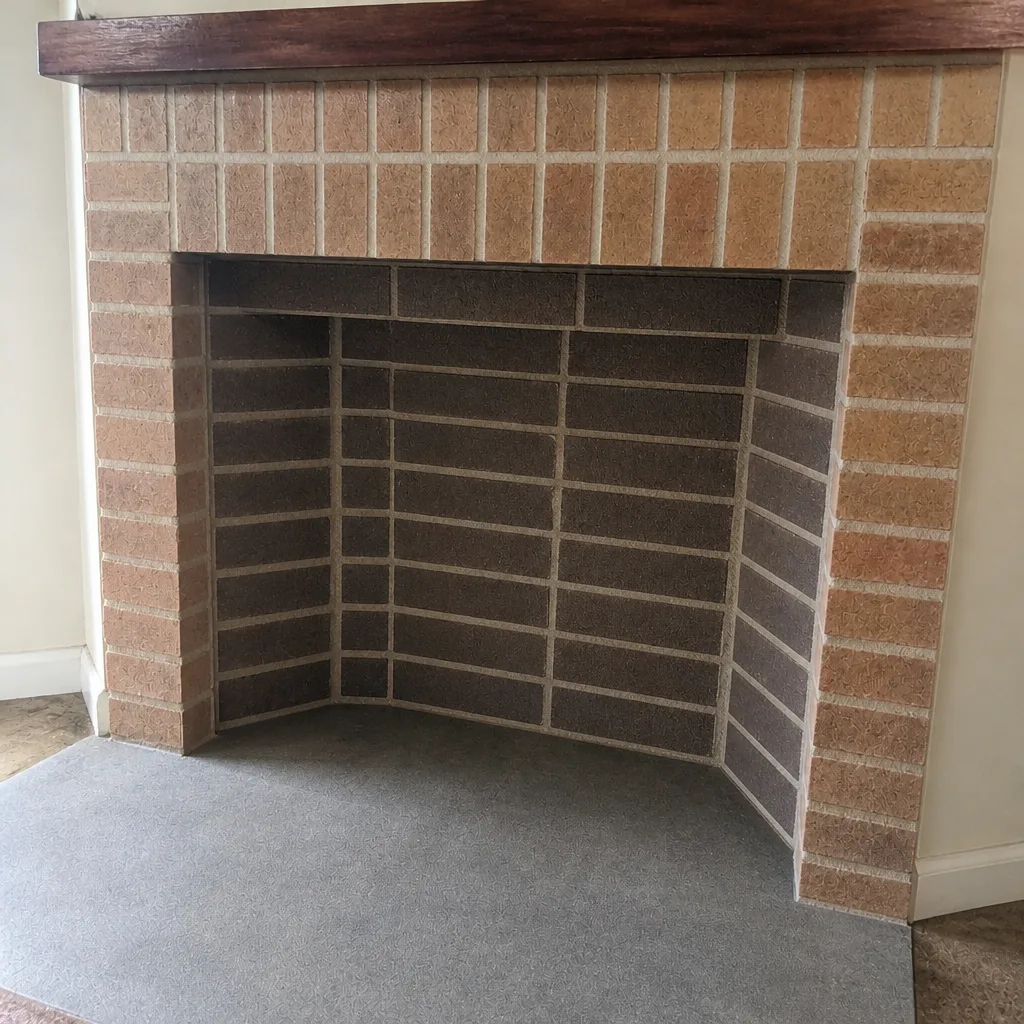 After
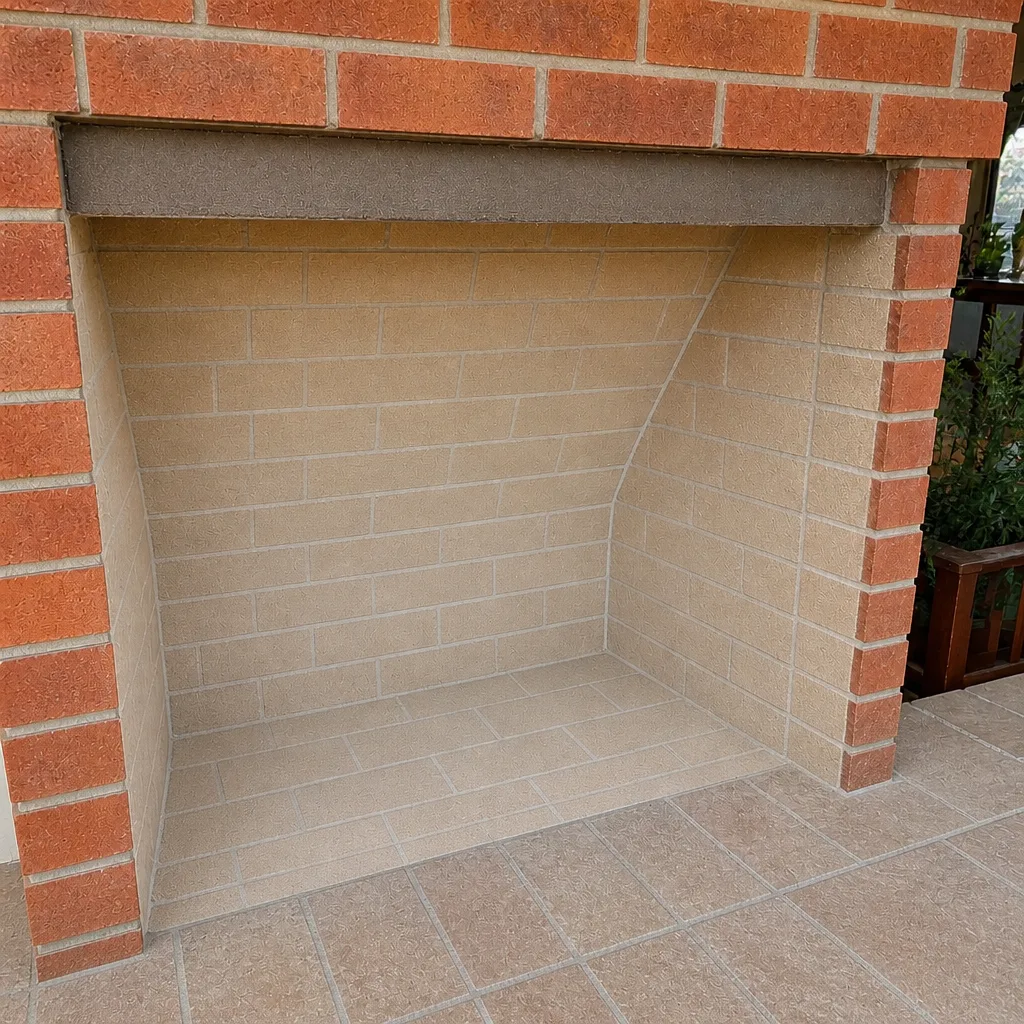
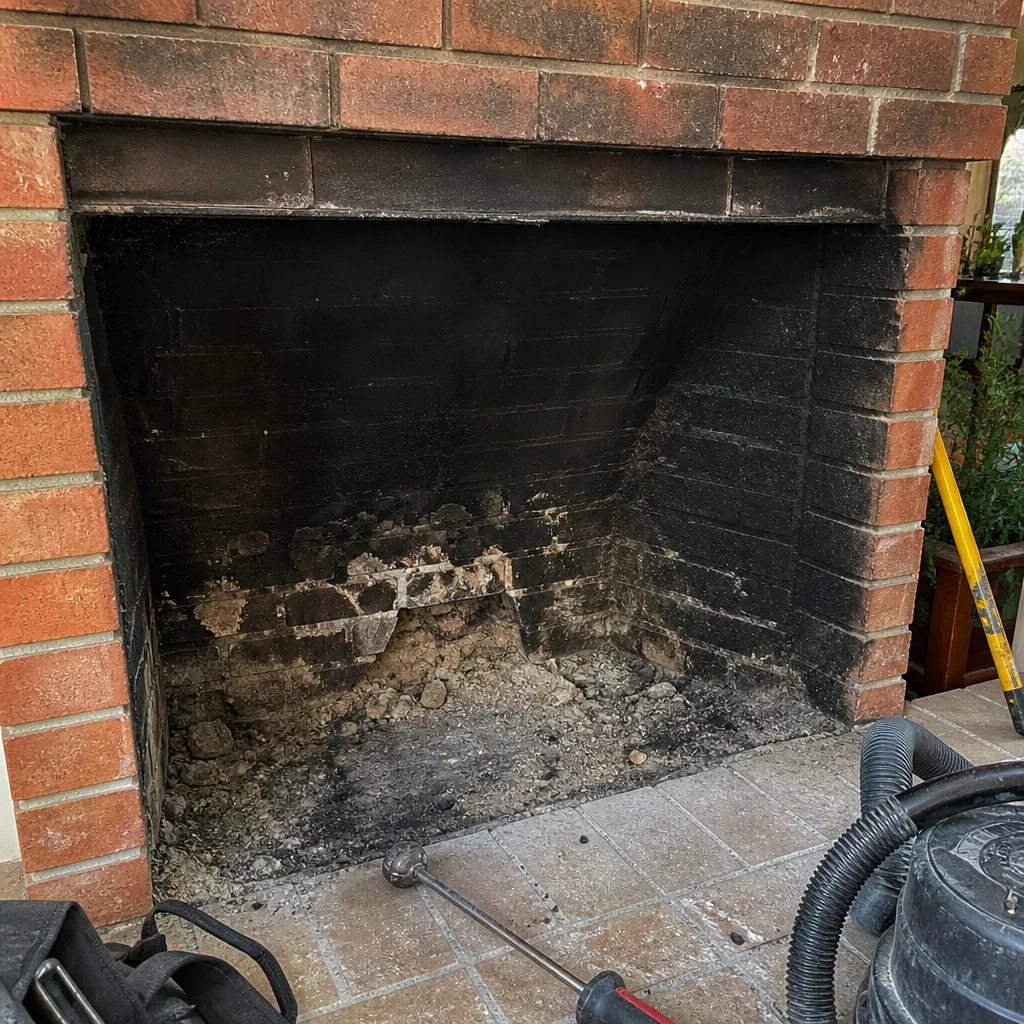 Before
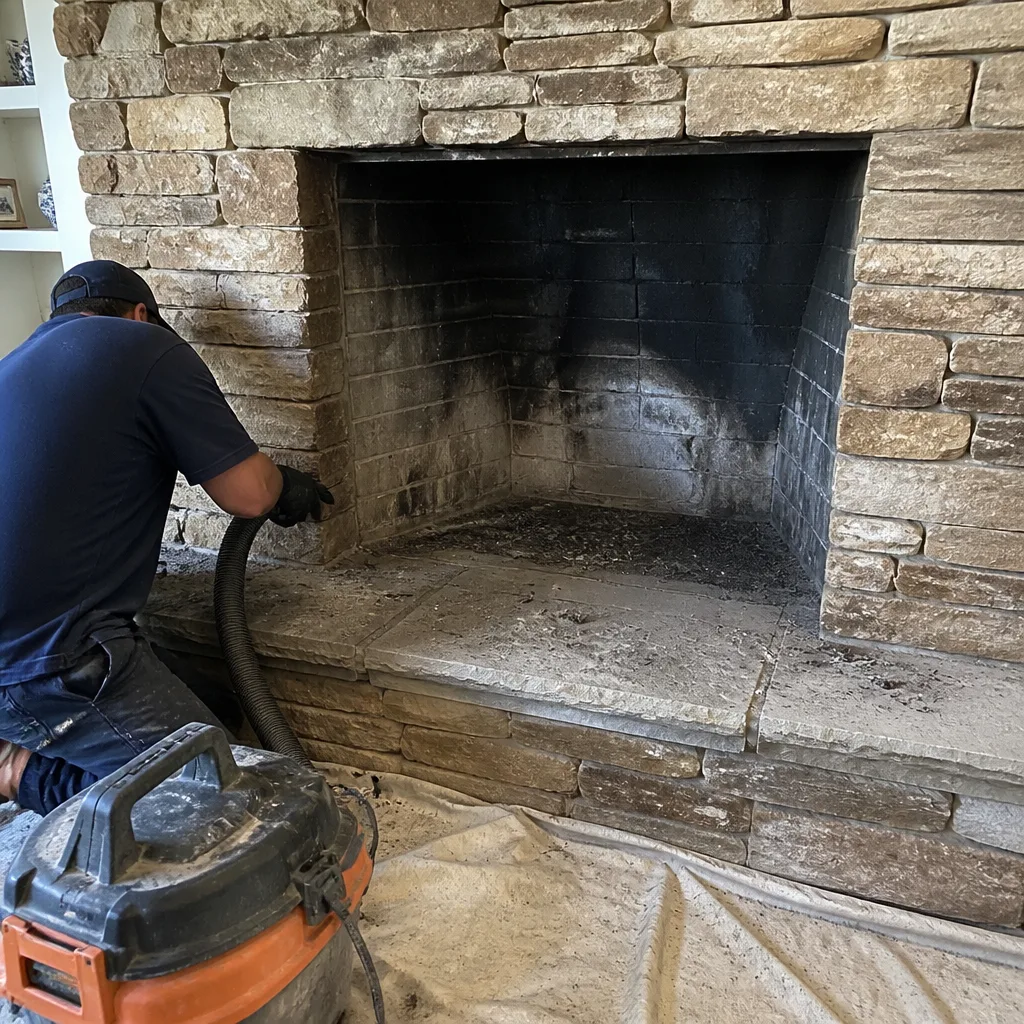
 After
 Before
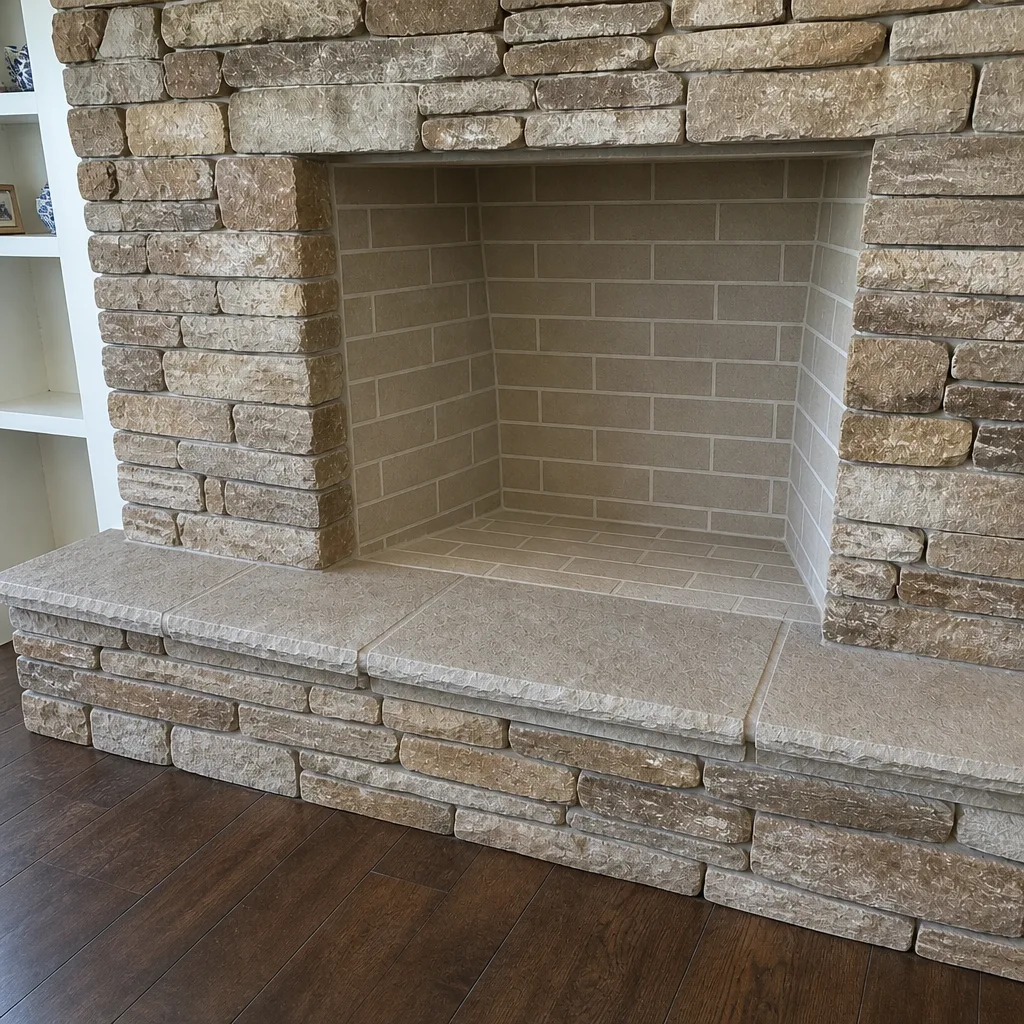 After
Frequently Asked Questions
You can safely clean Stage 1 powdery soot from a flue that a professional has already confirmed is sound. You cannot safely clean Stage 2 or Stage 3 creosote, and you can’t make the soundness judgment on your own. If you have a current inspection report confirming a clean flue and light deposit, brush away between professional visits. Otherwise, book the sweep first. Call (833) 468-2987 for an exact quote; estimates are free.
Once a year for any home that burns wood, and once a year for gas fireplaces on the manufacturer’s service schedule. In Orange’s mild climate, the short burn season makes a visual check less reliable, not more, so the annual professional sweep does work a glance at the firebox can’t. If your burning habits are light, ask during the inspection how often you actually need it. Call (833) 468-2987 to schedule.
Stage 1 is dry, fluffy, and crumbles to dust between gloved fingers. Stage 2 looks shiny or crusty and stays put when you brush it, because it has baked onto the flue. If you’re not sure which one you’re looking at, assume it’s Stage 2 and call a professional. The difference matters because the right treatment is completely different. Call (833) 468-2987 for an exact quote; estimates are free.
You need the inspection, because sweeping without it is cleaning blind. The inspection is how we assess liner condition, smoke chamber parging, and firebox structure, and it’s how we confirm the deposit stage before we clean. A sweep-only service that doesn’t inspect misses the part that matters most. We use DuraFlex and HeatShield where relining or resurfacing is the right move, and we won’t recommend either without camera evidence you can see. Call (833) 468-2987.
A sweep removes deposit; a full chimney service includes inspection, cleaning, and any repair the inspection supports. At Chimney Sweep Orange, one call covers inspection through repair, including cap and crown work, so the same company that finds a problem is the one that fixes it. That single-source arrangement is why we can show you the evidence and stand behind the repair. Call (833) 468-2987 to book the visit.
Often yes, if the flue structure is sound but the interior surface is deteriorated. HeatShield resurfacing is a repair option for exactly that situation, and it’s a capability most sweep-only companies can’t offer. If the liner itself has failed, we move to DuraFlex flexible liner systems, which are designed for the real-world configurations a rigid liner won’t fit. The right answer depends on what the inspection finds, not on a sales pitch. Call (833) 468-2987.
Deposit keeps building, and Stage 1 can become Stage 2 without looking dramatic from below. The longer it sits, the more likely it is to need rotary cleaning, chemical treatment, or repair. It can also put stress on the liner and the smoke chamber, which turns a maintenance visit into a repair job. A sweep now is less invasive than the alternatives later. Call (833) 468-2987; estimates are free.
The Bottom Line
DIY chimney cleaning is a real option, but only in a narrow set of circumstances: a confirmed Stage 1 deposit, a flue the professional has already declared sound, and a homeowner comfortable working safely at height. Everything outside that window, which includes Stage 2 and Stage 3 creosote, liner questions, smoke chamber erosion, firebox assessment, and any gas appliance work, belongs with a trained technician. The good news for Orange homeowners is that the decision is easy to make with a current inspection. Book the sweep, ask to see the camera footage, and let the evidence drive the repairs. Our technicians have up to 14 years of experience. We work with recognized chimney brands, including DuraFlex, HeatShield, Gelco, and Copperfield, and one call covers the whole system. Call (833) 468-2987. We answer 24/7. Fast dispatch from 7am to 7pm, Sunday through Friday.
Written by the team at Chimney Sweep Orange.