
Last updated November 25, 2026
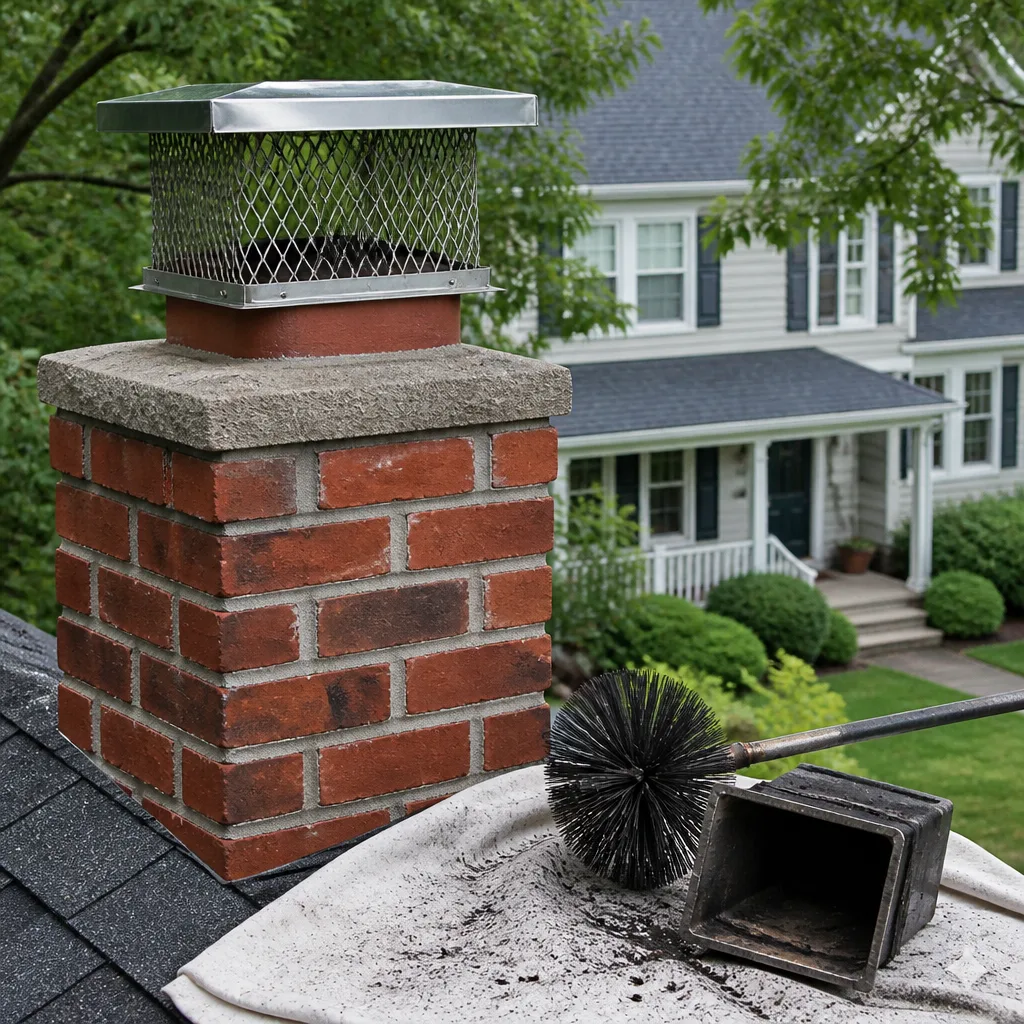 Sweep & inspection
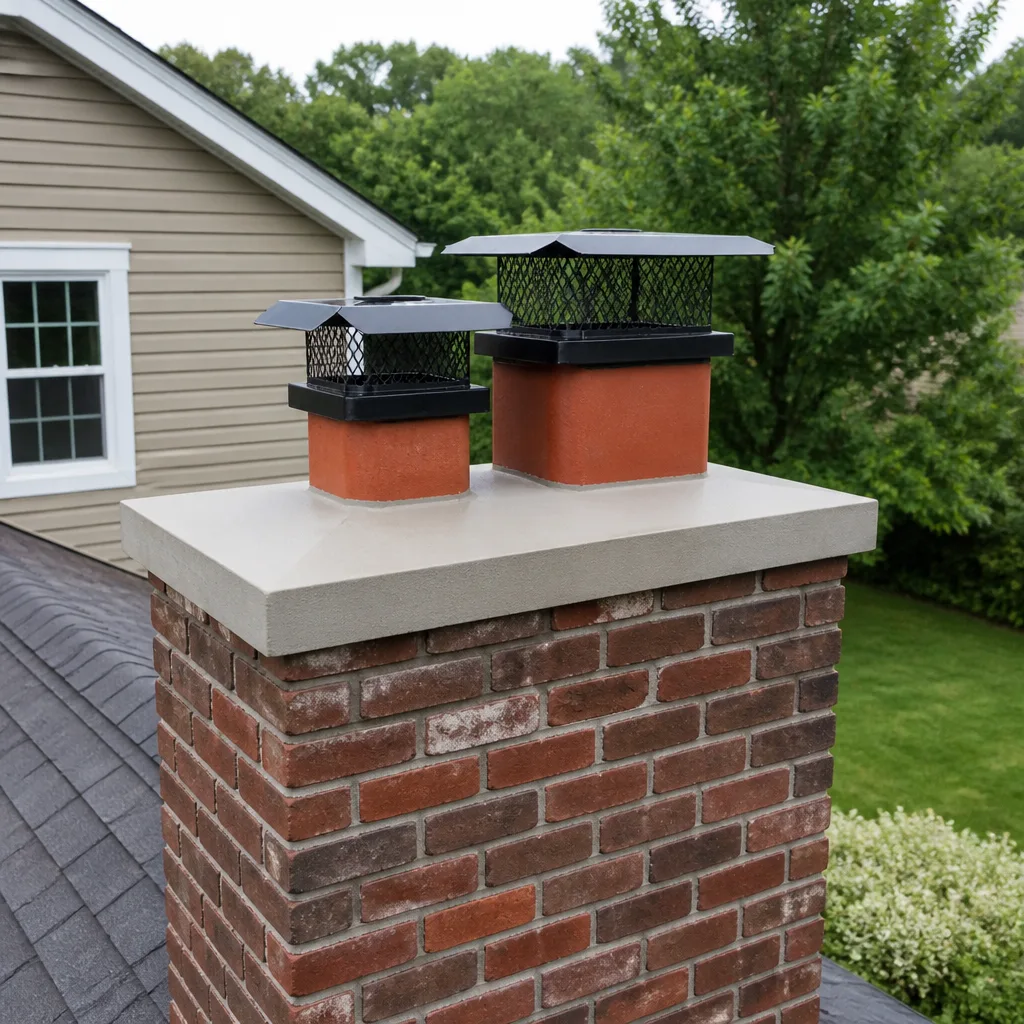 Caps & crowns
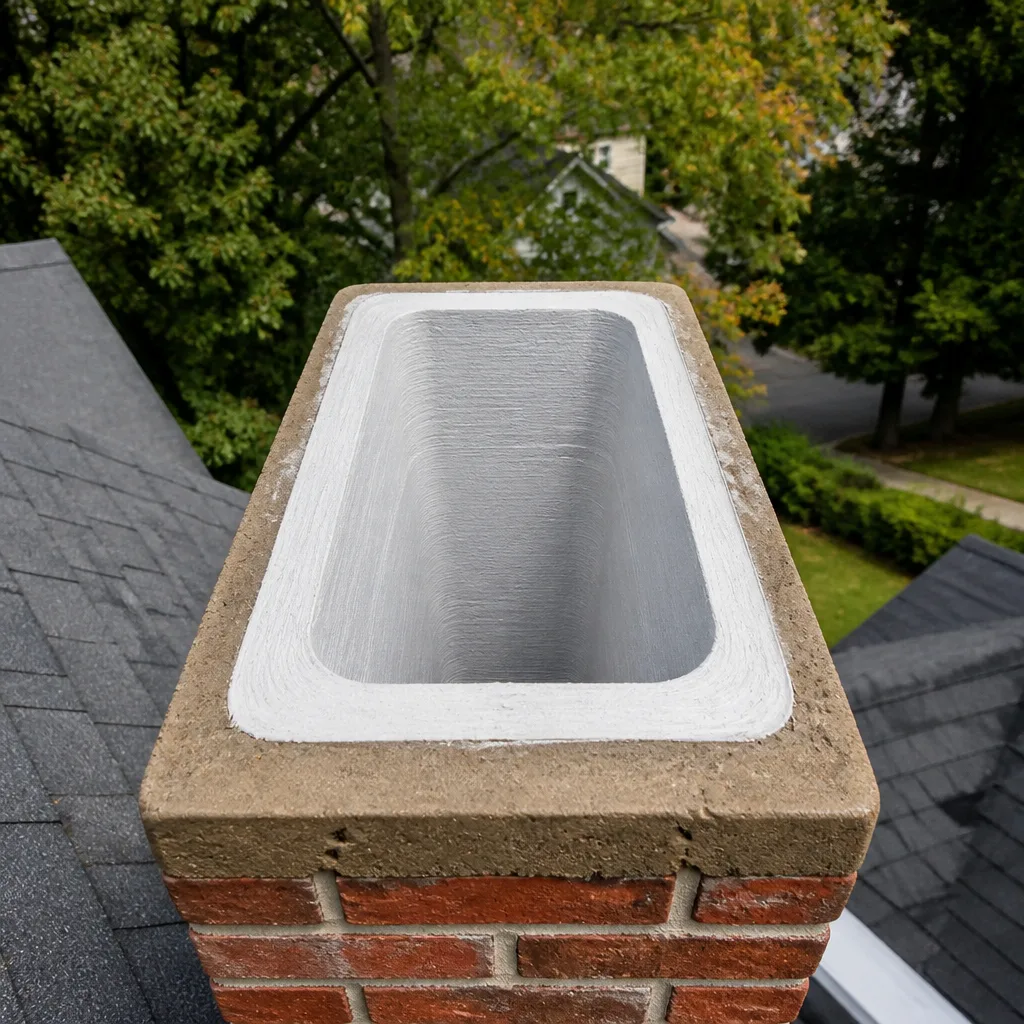 Flue relining
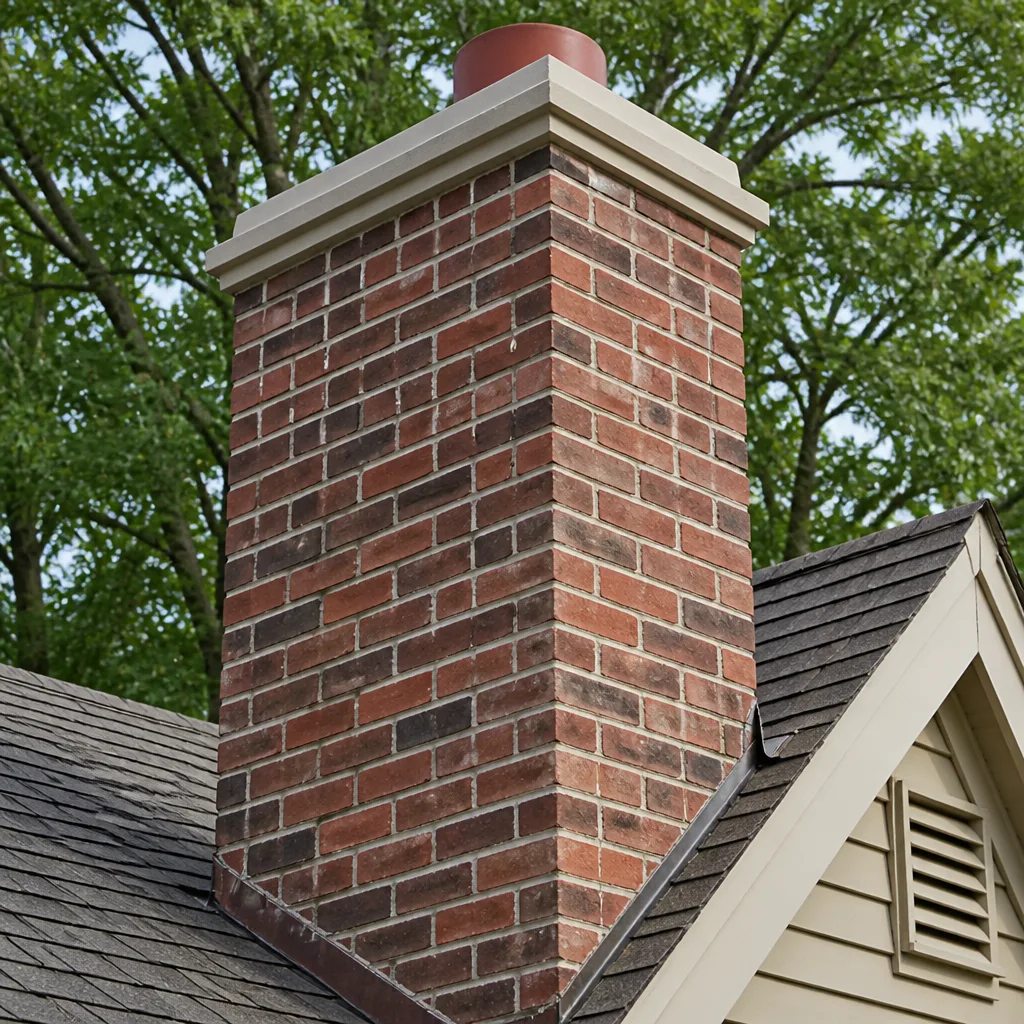 Masonry repair
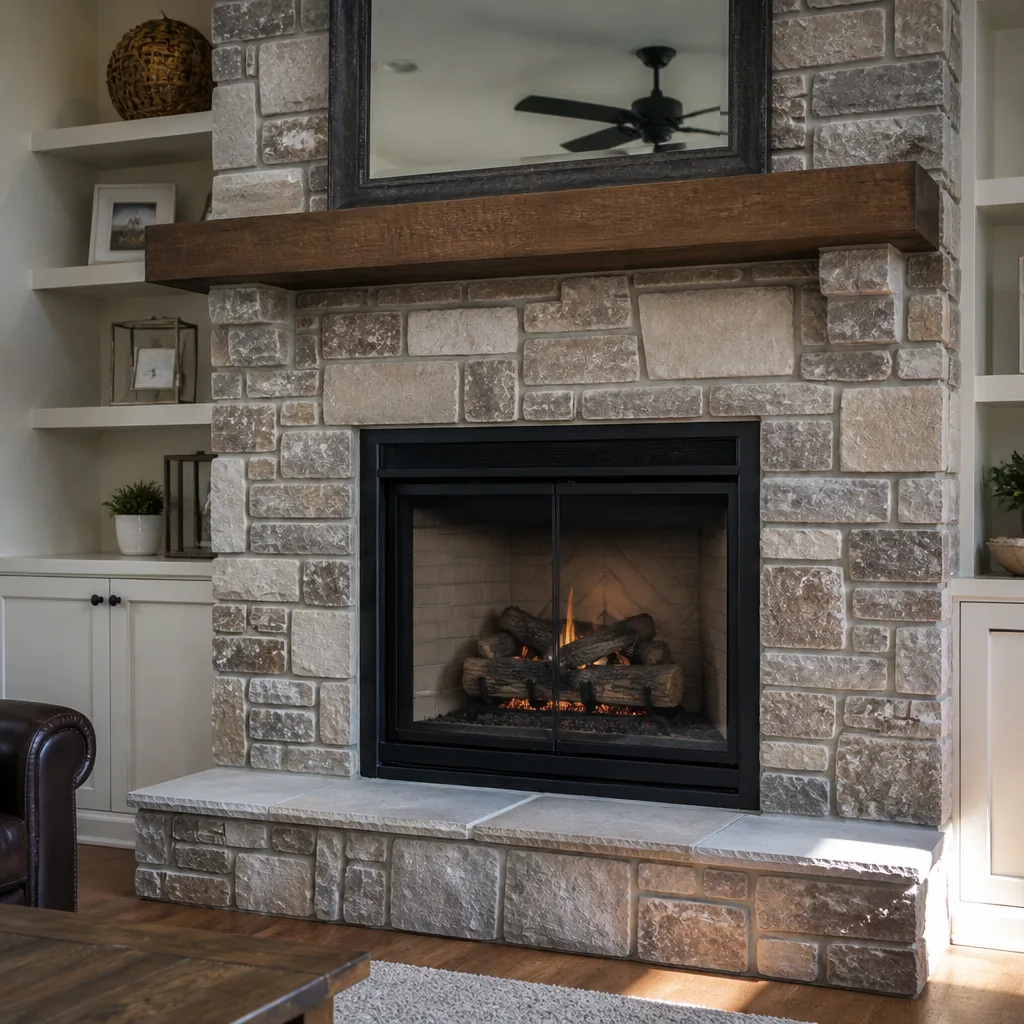 Gas fireplace service
Level 1 sweep and inspection to the NFPA 211 annual standard - flue, crown, cap, and flashing checked and photographed
Chimney sweep logs do not sweep chimneys. They loosen some creosote - which then falls where a brush and vacuum still have to collect it.
How to Hire a Chimney Cleaning Contractor in Orange: A Step-by-Step Guide
California doesn’t issue a chimney sweep license. That’s the uncomfortable fact at the center of this whole decision. The person who quotes your cleaning can have opened a business last month, and nothing on the truck, the invoice, or the website will legally stop them. So the gap between a qualified specialist and a stranger with a brush comes down to what you ask, what you check, and what the paperwork proves. In this guide we walk through the vetting framework we think every Orange homeowner should run before booking, from CSIA certification checks to reading a Level II report.
Quick Answer
To hire a chimney cleaning contractor in Orange, verify current CSIA certification, confirm the company does full-service work (inspection, repair, relining, and cap and crown), ask which named-brand materials they specify, and demand a written report backed by photos or camera video before agreeing to any repair. Price comes last, because a cheap sweep that misses a cracked flue costs far more than a proper one.
Styles & brands we work with
- Sweep & inspection
- Caps & crowns
- Flue relining
- Masonry repair
- Gas fireplace service
Table of Contents
- Why California Has No Chimney Sweep License
- What CSIA Certification Actually Means
- The Five Questions to Ask Before Booking
- Red Flags in a Chimney Quote
- Why Named-Brand Materials Matter on an Estimate
- How to Read a Post-Service Report
- Inspection Levels Explained
- Chimney Work in Orange: Timing and Local Conditions
Why California Has No Chimney Sweep License
California does not require a specific chimney sweep license, so anyone can print “chimney cleaning” on a business card and start taking calls. What the state does require, generally, is a contractor license for work above a certain dollar threshold and for structural or masonry work; a simple cleaning may fall outside that. The practical consequence is uneven: the trade has no single gate that keeps unqualified operators out. In Orange, where a lot of older homes still run wood-burning fireplaces, that means the quality of your sweep depends almost entirely on the questions you ask.
This is why we tell homeowners to stop treating reviews as the first filter and start treating credentials and process as the first filter. Reviews tell you whether someone showed up on time and was pleasant. They don’t tell you whether the flue was actually inspected, whether the technician knew what to look for, or whether the “cleaning” was a brush down the chimney with no follow-up assessment at all. We’ve seen enough variation in this trade to say plainly: a five-star rating is a starting point, not proof.
What fills the gap? A combination of industry certification, a documented inspection process, and named materials on estimates. Any one of those alone can be faked or glossed over. Together they form a picture that’s hard to fake across a whole job. That’s the framework this guide builds.
What CSIA Certification Actually Means
CSIA stands for the Chimney Safety Institute of America, and its Certified Chimney Sweep credential is the most widely recognized mark in this trade. Getting it requires passing an exam that covers sweeping, inspection, venting, and codes, plus a signed code of ethics. Keeping it requires continuing education and renewal on a fixed cycle, which is the detail most homeowners miss. A certification that lapsed two years ago is not a certification.
Here’s what to actually check:
- Verify it’s current. The CSIA maintains a public directory of certified sweeps. Look the person or company up there rather than trusting a logo on a website, because logos are easy to copy and paste.
- Match names. If the business card says “certified” but the directory shows a different company name, ask why. Certification attaches to individuals, and the company should be able to tell you which technician holds it.
- Ask about renewal. A technician who can tell you when their credential renews is a technician who’s paying attention to it.
Certification is not a guarantee of perfect work. It is a signal that the person has been tested on the fundamentals and has agreed to a standard of conduct. In a state with no sweep license, that signal is worth a lot. When you call a company for a chimney sweep, ask directly whether a CSIA-certified technician will be on the job, and don’t accept a vague answer.
One more thing worth knowing: certification doesn’t cover everything. It doesn’t automatically mean the company installs liners, resurfacing, or caps. That’s a separate question about scope, which we get into next.
The Five Questions to Ask Before Booking
These five questions separate a full-service chimney company from a sweep-only visit dressed up as an inspection. Ask them on the phone before you schedule, and listen for specificity. Vague answers are the tell.
- “Will you do a Level I or Level II inspection, and what does that include?” A sweep-only operator often can’t answer this precisely. A full-service company will tell you the level, whether a camera goes in the flue, and what the written report covers.
- “Do you handle repairs in-house, or would I need a second contractor?” If the answer is “we just clean,” then any problem they find becomes your problem to re-shop. One company that inspects, repairs, and protects means no handoff and no finger-pointing.
- “Which brands do you specify for liners and resurfacing?” Listen for named products. A company that names DuraFlex for relining or HeatShield for flue resurfacing is telling you they work with professional-grade materials rather than anonymous supplies.
- “What does the post-service report look like?” Ask whether you’ll get photos, a camera video, and written findings, or just a receipt. This one question filters out a surprising number of operators.
- “Do you install caps and crowns?” This is the protective layer that keeps water out of everything else they repair. Many sweep-only companies skip it or subcontract it, which means nobody owns the whole system.
You don’t need to interrogate anyone. Ask the five, take notes, and compare. The company that answers all five with specifics is the one worth booking.
Red Flags in a Chimney Quote
A quote is a document, and like any document it can be written well or badly. The problem is most homeowners have nothing to compare it against. Here are the patterns that should slow you down.
- Vague line items. “Chimney work: $1,200” tells you nothing. A legitimate quote breaks out sweeping, inspection, any liner or masonry work, and cap and crown installation separately.
- No mention of equipment. Did they use a camera? A rotary brush? A drop cloth and vacuum to keep the room clean? A quote or report that never mentions equipment is one that may not have used much.
- Pressure to book the same day. We diagnose first, and a proper assessment takes time. Anyone pushing you to commit on the spot, before an on-site assessment, is selling urgency rather than work.
- A quoted repair with no evidence. If someone tells you the flue needs relining but can’t show you the camera footage or photos, walk away. You should be able to see what they saw.
- No written report after the fact. A one-line receipt is not an inspection record. If you can’t tell from the paperwork what was found and what was done, the paperwork isn’t doing its job.
- Unwillingness to name brands. Ask what liner or resurfacing product they’d use and watch the answer. Specific product names are a good sign; “we use whatever’s best” is not.
None of these red flags is proof of fraud on its own. They’re patterns, and patterns matter when the trade has no license to fall back on. If you’re ready to compare, we’re happy to walk through a free estimate and put our answers to all five questions on paper. Call (833) 468-2987.
Why Named-Brand Materials Matter on an Estimate
When an estimate names a specific product, you can research it. When it says “liner replacement” with no product name, you have no way to know whether you’re getting a system designed for your flue or the cheapest roll of material available that day. That distinction matters most on the parts of the job you’ll never see again once the chimney is closed up.
Here’s what the named brands signal in practice:
- DuraFlex flexible liner systems are built for real-world chimney configurations, the offsets and bends where a rigid liner simply won’t pass. If a company specifies DuraFlex, they’re at least accounting for the shape of your actual flue rather than assuming a straight shot.
- HeatShield is a chimney resurfacing system that can restore a damaged flue without full reliner replacement, provided the structure itself is sound. That’s a repair option sweep-only companies generally can’t offer, and it can save significant cost when it’s appropriate.
- Gelco and Olympia Chimney and Copperfield appear in professional-grade cap, crown, and liner work, and the same principle applies: a named product is one you can look up, ask about, and hold the installer to.
We work with a curated set of these brands because the materials need to match the job, not the other way around. The right liner for your flue is a technical decision, and it should show up on the estimate by name. When you’re ready to talk materials for your Orange home, call for a free estimate – we’ll tell you exactly what we’d specify and why.
How to Read a Post-Service Report
The report is the part of the job most homeowners glance at and set aside, and it’s the part that matters most six months later when you’re trying to remember what was found. A legitimate Level II inspection write-up has a recognizable shape. A one-line receipt has none.
Here’s what to look for in a proper report:
- Inspection level stated. Level I, II, or III should be named, with what was checked at that level.
- Components addressed individually. The firebox, damper, smoke chamber, flue, crown, and cap should each get a mention, even if the finding is “in good condition.”
- Condition ratings or descriptions. Not just “chimney okay,” but what the technician observed at each component.
- Photos or camera footage. A camera inspection should produce images you can look at. If the report says “creosote buildup in flue,” you should be able to see the creosote in the photos.
- Recommendations tied to evidence. Any recommended repair should reference the specific finding that prompted it, so you can connect the two.
- What can wait. A good report tells you plainly when something is fine for now and when it isn’t. That’s how you know the recommendations aren’t just a sales list.
This is the framework we use on every job. Nothing gets recommended without camera evidence you can see for yourself, and we’ll tell you when a repair can safely wait. If you want your chimney inspected and documented properly, Chimney Sweep Orange offers free estimates – call (833) 468-2987.
Inspection Levels Explained
The chimney industry uses three inspection levels, and knowing which one you’re getting is half the battle. A sweep-only visit is not the same as a full inspection, even if the invoice uses similar words.
- Level I. A visual inspection of readily accessible parts of the chimney and fireplace, with no camera and no tools that disturb the structure. Appropriate for a chimney in continued use with no known problems, and typically part of a routine cleaning.
- Level II. A more thorough inspection that includes a camera run through the flue, and access to areas a Level I doesn’t cover. This is the standard when you’ve had a chimney fire, a change in fuel type, a new appliance, or a property transaction.
- Level III. The most involved inspection, used when specific parts of the chimney need to be opened up or removed to investigate a problem. Rare outside of serious structural questions.
If you’re hiring a contractor in Orange, ask which level the cleaning includes as standard. Most regular cleanings come with a Level I; anything more should be a deliberate decision, explained to you in advance. If a company can’t tell you the difference, that’s a meaningful answer in itself.
The level matters because it determines what gets found. A Level I catches visible buildup and obvious damage. A Level II catches what’s hiding in the flue where you can’t see it. Which one you need depends on your chimney’s history, and a careful contractor will tell you honestly rather than defaulting to the expensive option.
Chimney Work in Orange: Timing and Local Conditions
Orange’s climate is mild compared to what most of the country thinks of as chimney weather. Winters don’t bring deep freezes, so the classic freeze-thaw damage that dominates chimney advice elsewhere isn’t the main story here. What does matter is that mild weather doesn’t mean the chimney sits idle. Wood-burning fireplaces still get used across Orange, and creosote still accumulates the same way it does in colder places. The mild season just gives you more windows to have the work done without waiting for a cold snap.
Timing your work matters in two ways. First, creosote buildup isn’t seasonal; it builds with every fire, and a chimney that was clean in spring can be ready for another sweep by fall. Second, if a repair is needed, doing it in a mild season means the chimney is ready when you actually want to use it, rather than discovering a cracked crown the week you want a fire.
We book a sweep in advance and work through repairs in a sensible order: inspection first, then cleaning, then any repair the findings call for, then cap and crown to protect the whole system. If you’ve been putting it off because the weather hasn’t felt urgent, this is the calm stretch to get ahead of it. Call (833) 468-2987 to get on the schedule. We answer 24/7. Fast dispatch from 7am to 7pm, Sunday through Friday.
One local note: if your home has a tile or masonry chimney typical of older Orange housing stock, the crown is often the first thing to weather. A cracked crown lets water in, and water is the enemy of everything above the firebox. Cap and crown work is the protective finisher that many competitors skip. If your last sweep didn’t mention the crown, ask about it.
Common Mistakes to Avoid
- Booking on price alone. The lowest quote is often the one without camera inspection or a written report. You’re comparing a sweep to an inspection, and they aren’t the same service.
- Treating “certified” as enough without checking. Plenty of companies say “certified” on the website. Run the name through the CSIA directory before you book, because an expired credential is not a credential.
- Accepting a repair recommendation without evidence. If the flue “needs relining,” ask to see the camera footage. You should never pay thousands for work you can’t verify – and a good contractor will be glad to show you.
- Skipping the cap and crown. This is the step that protects every other repair. A sweep-only crew may leave it off entirely, which means water gets back in and undoes the money you spent.
- Ignoring the equipment question. Ask what tools they use. A company that runs a camera and a rotary brush is operating at a different level than one with a handheld brush and a shop vac.
- Not reading the report. The post-service report is your record. If it’s a one-line receipt, you have nothing to show a future buyer or a future contractor about the state of your chimney.
- Assuming the mild climate means less frequent sweeping. Creosote builds by the fire, not by the season. Stay on a regular cleaning schedule regardless of how mild Orange winters are.
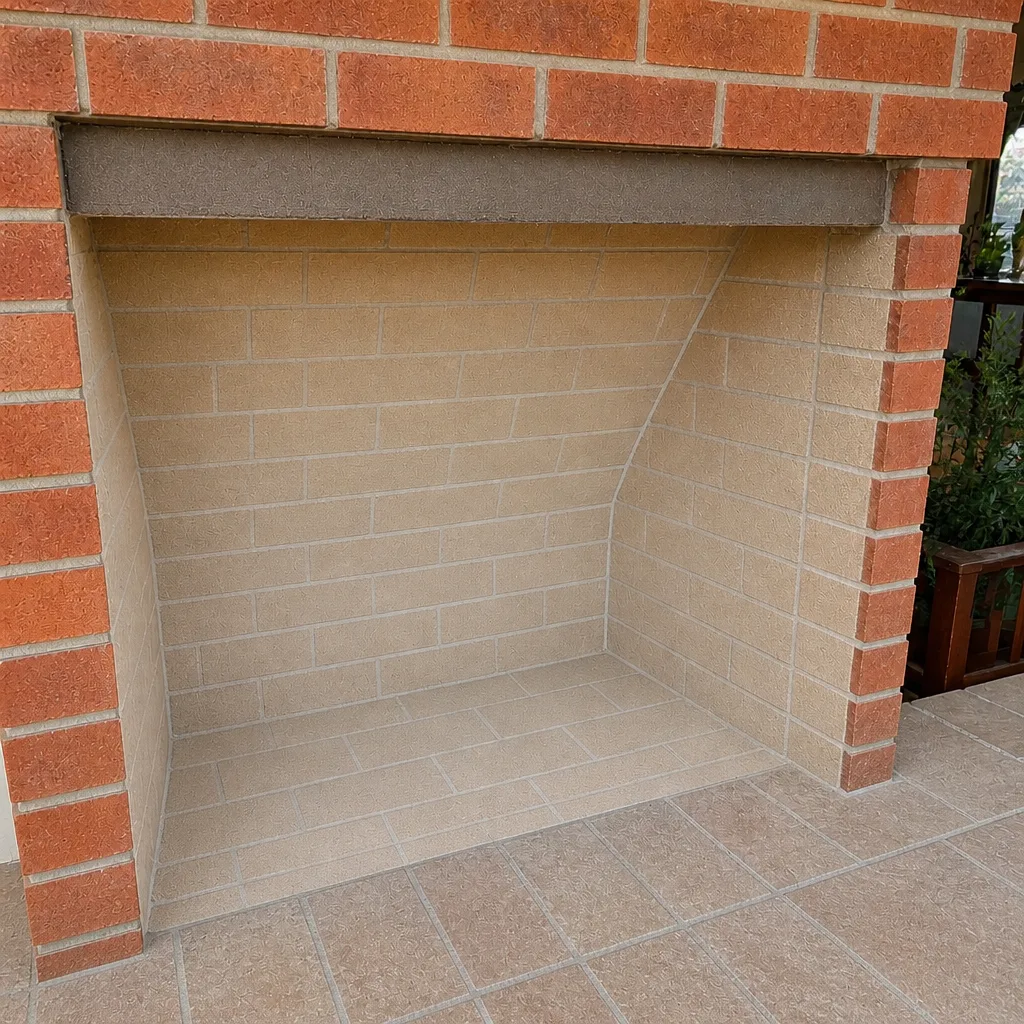
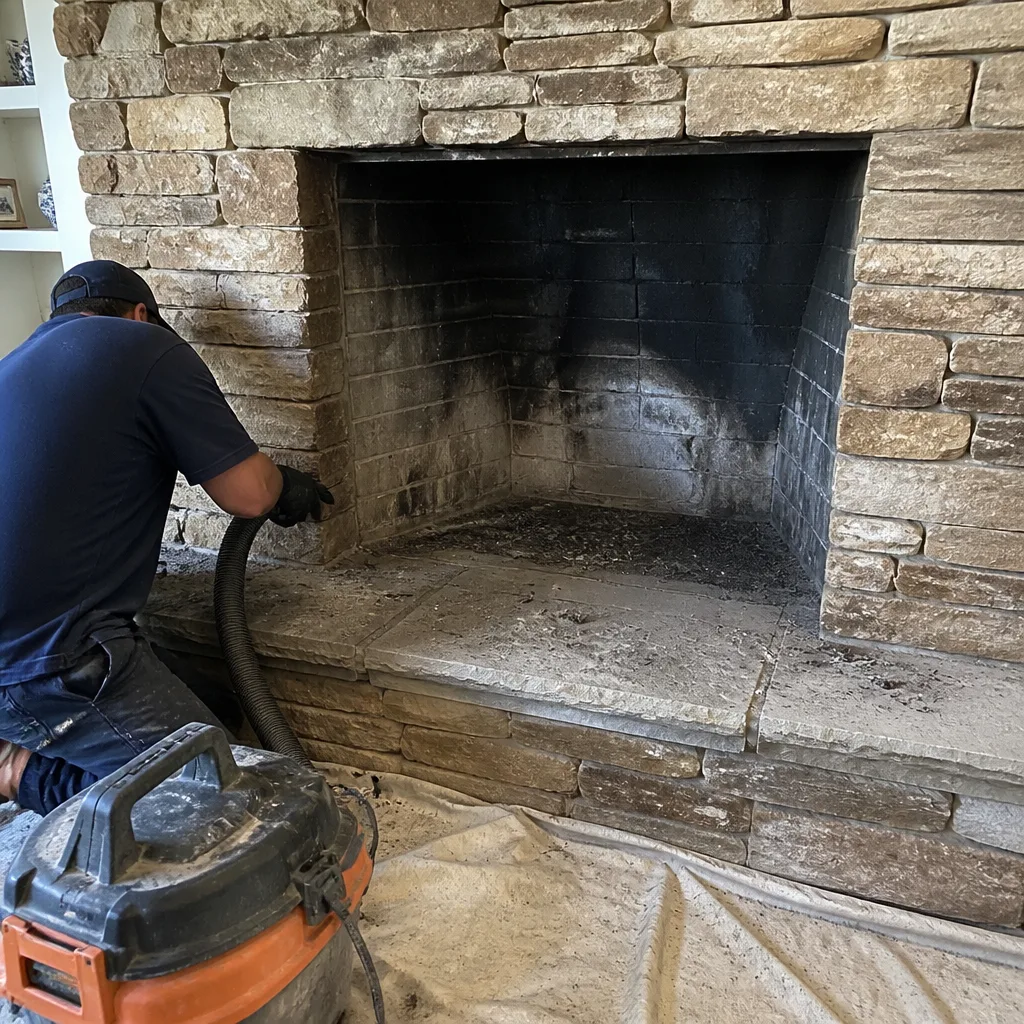
See the difference
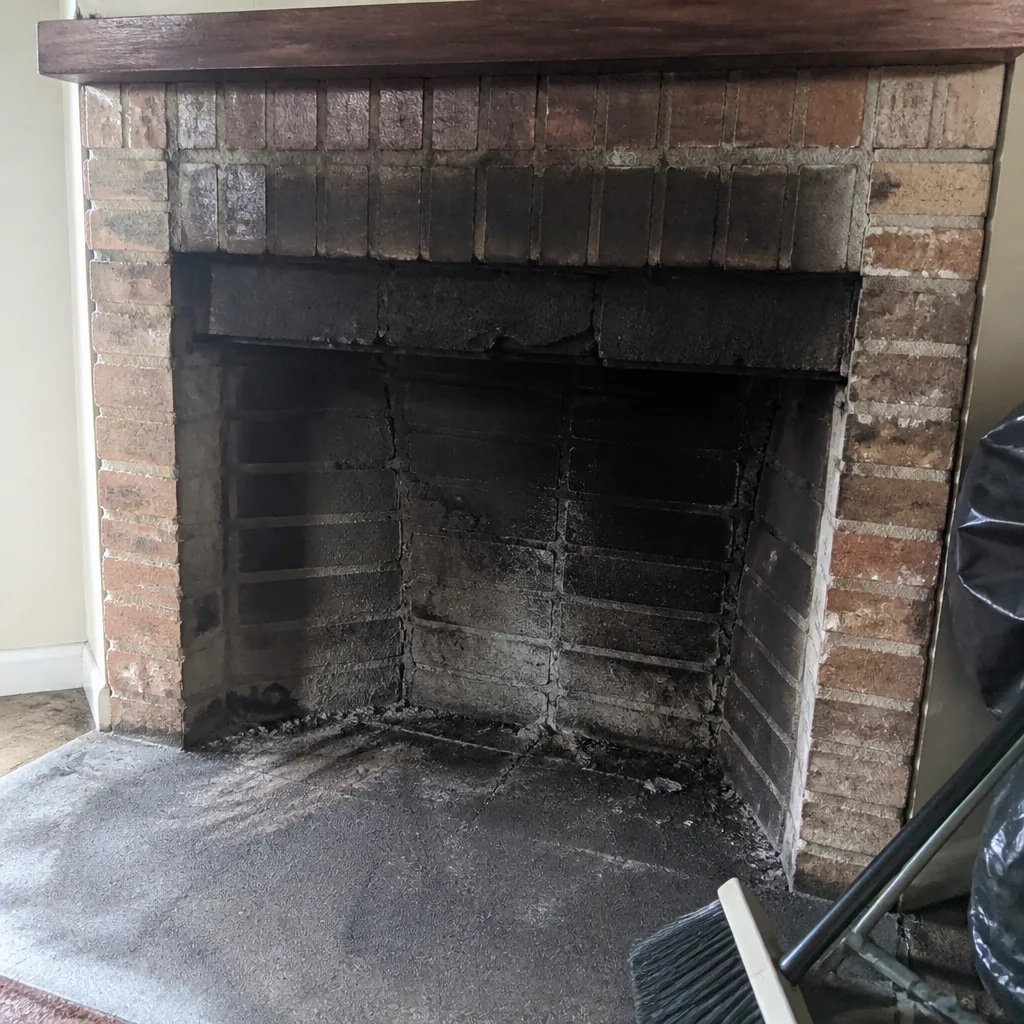 Before
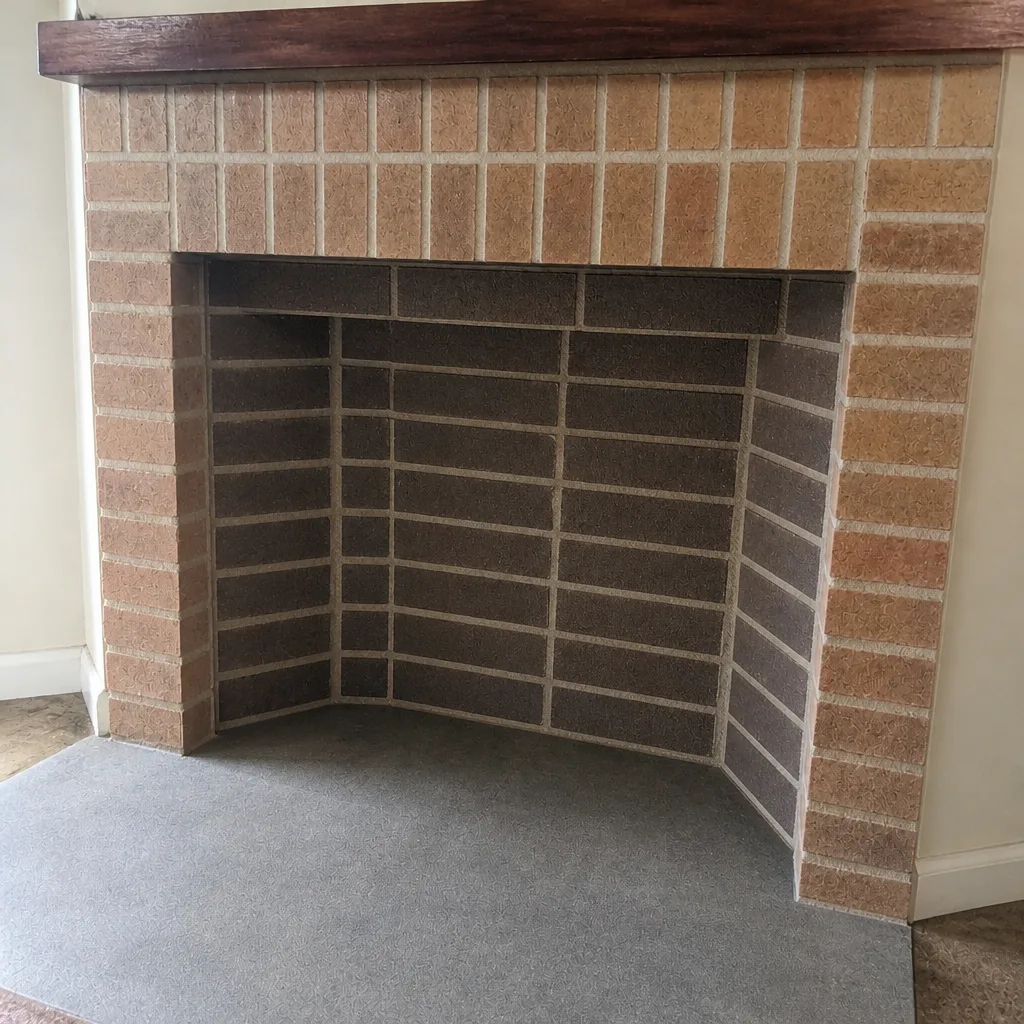 After
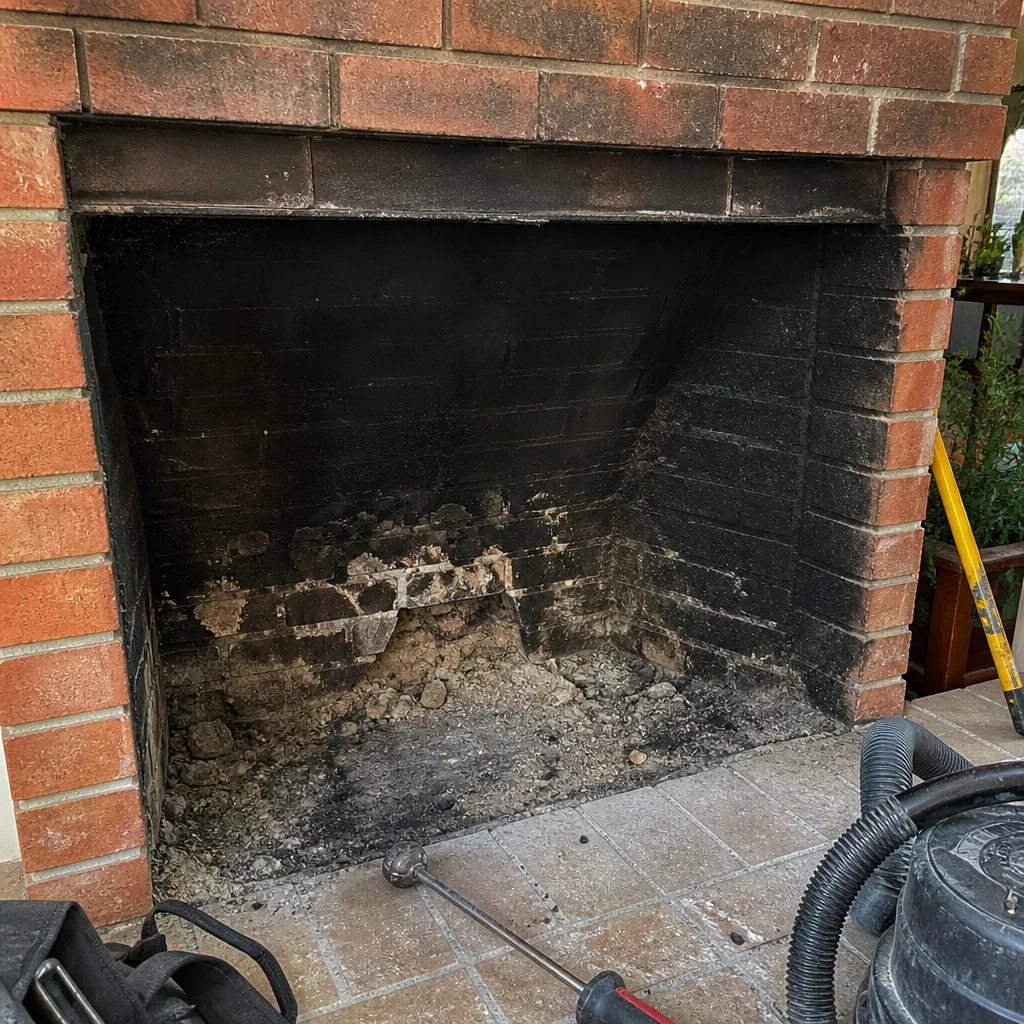 Before
 After
 Before
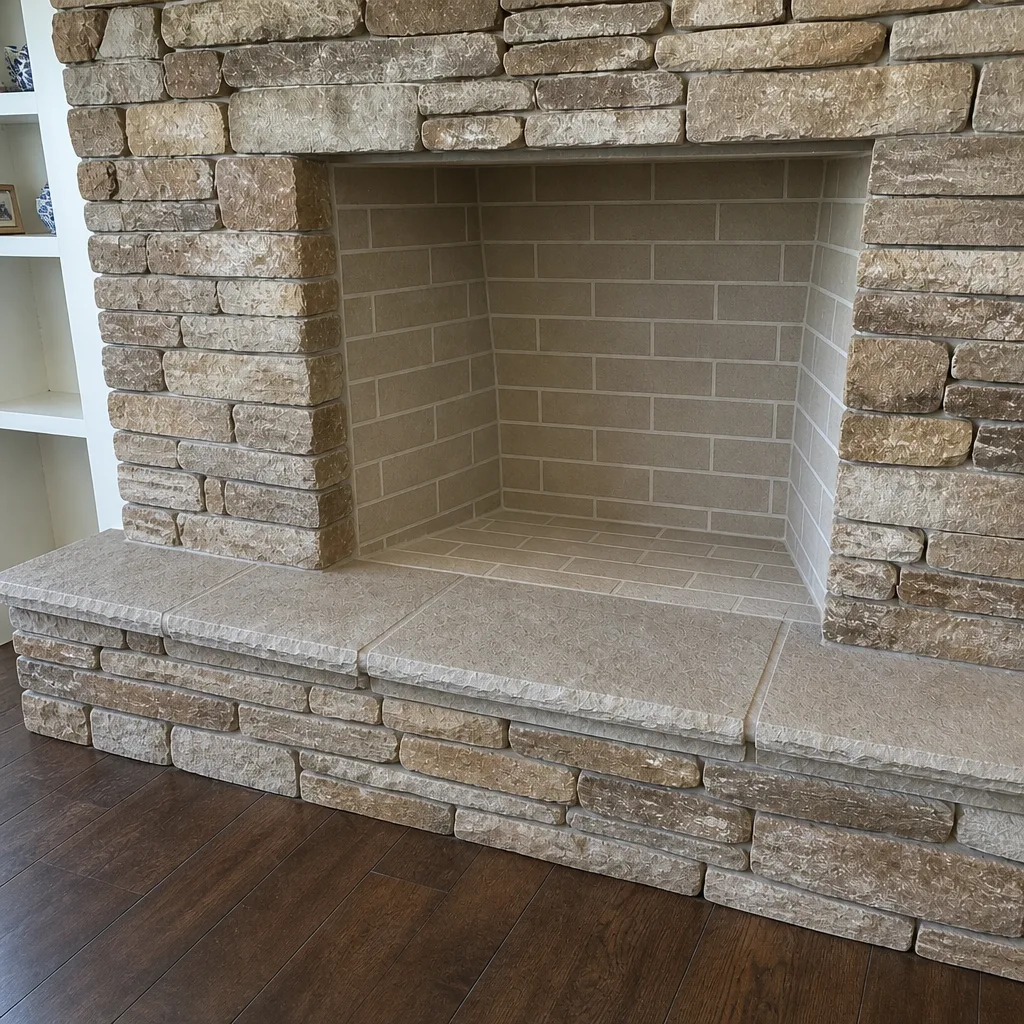 After
When to Call a Professional
Some situations clearly call for a trained professional rather than a DIY attempt or a delay. Call if you’ve had a chimney fire, even a small one, because the flue needs a Level II inspection to see what the heat did. Call if you notice a strong creosote smell, visible soot or debris inside the firebox, or smoke backing into the room when you light a fire. Call if the damper sticks or won’t seal, if the firebox shows cracked masonry, or if the crown or cap looks weathered. And call if it’s simply been a while since the last cleaning – regular sweeping is the cheapest way to avoid the expensive repairs that come from neglect. High-tension chimney components, electrical work, and gas line connections are not jobs for a homeowner; a trained professional should handle anything structural or gas-related. Chimney Sweep Orange offers free estimates in Orange – call (833) 468-2987.
Frequently Asked Questions
A standard sweep in Orange is typically priced per job by a written estimate, quoted after the technician sees the chimney and confirms whether a Level I or Level II inspection is needed. The final price is set in writing before work begins, so there are no surprises. Call (833) 468-2987 for a free estimate.
Only if the inspection shows the existing flue is unsound, and you should see the camera evidence before agreeing. Some damaged flues can be restored with HeatShield resurfacing rather than full reliner replacement, which is why the assessment comes first. If the footage doesn’t show a problem, you don’t need the work – and a good contractor will say so. Call (833) 468-2987 to have yours inspected.
Most wood-burning fireplaces should be swept roughly once a year, or more often if you burn heavily or notice creosote buildup. Gas fireplaces generally need less frequent sweeping but still benefit from periodic inspection. In Orange’s mild climate the buildup still happens by the fire, not by the season, so don’t skip a year just because it didn’t feel cold. Call (833) 468-2987 to book a sweep.
Creosote accumulates with every fire, and enough of it becomes a chimney fire risk; a blocked or damaged flue can also let carbon monoxide back into the home. Skipping a sweep doesn’t cause a problem on a schedule, but it means you won’t know the flue is compromised until you have a symptom. The safe move is regular inspection so small issues get caught early. Call (833) 468-2987 for a free estimate.
A sweep is the physical cleaning of the flue. An inspection is the assessment of the chimney system – Level I visual, Level II with camera, or Level III for serious structural investigation. A full-service job includes both, and you should ask which inspection level your sweep includes before booking. Call (833) 468-2987 to talk through what your chimney needs.
Usually not, and that’s the main reason to vet for full-service scope up front. A sweep-only operator cleans the chimney and hands you a recommendation, then you’re shopping for a second contractor to do the actual repair. Choosing one company that inspects, cleans, repairs, and installs the cap and crown means there’s no handoff and no one to point at. If you’re not sure whether a company does full-service work, ask the five questions in this guide before you book.
The Bottom Line
Hiring a chimney contractor in Orange comes down to credentials, process, and materials. Verify current CSIA certification against the public directory. Ask the five questions before booking to confirm the company does full-service work rather than a sweep-only visit. Treat vague quotes, evidence-free recommendations, and same-day pressure as reasons to slow down. Insist on named materials like DuraFlex and HeatShield so you know what’s going into your flue. And always read the post-service report – it’s your record of what was found and what was done. Fall short on any of those and you’re guessing.
Ready to hire right? Call (833) 468-2987 for a free estimate from Chimney Sweep Orange. One call covers inspection through repair, we diagnose first, and nothing gets recommended without camera evidence you can see for yourself. Our technicians have up to 14 years of experience, and we use recognized industry brands including DuraFlex, HeatShield, Gelco, Olympia Chimney, Famco, and Copperfield. For chimney repair after the assessment, we can walk you through the options. Call today.
Written by the team at Chimney Sweep Orange.